Ideal indoor temperature and humidity for rental properties
Learn the ideal indoor temperature and humidity for rental properties, how to prevent mold and damage, and how smart indoor climate monitoring helps protect guest comfort.
Indoor climate is one of the most common variables in rentals, and also one of the most overlooked. When temperature or moisture drifts out of the safe zone, guests sleep poorly, finishes and furnishings degrade, and maintenance tickets start to pile up.
The good news is that dialing in the ideal indoor temperature and humidity is straightforward once you understand the ranges, the risks, and how to monitor properties proactively at scale.
In this article, we’ll look at what indoor climate is, why it’s important, and how you can improve guest comfort.
Ideal indoor temperature and humidity: the quick answer
For most rentals, the ideal indoor temperature and humidity sit at 68–78°F (20–26°C) and 40–50% relative humidity (RH) during typical occupancy. Aim for 35–45% RH in winter to limit condensation and 40–50% RH in summer to curb mold risk, adjusting temperature within the comfort band to match season and guest use. Keeping indoor humidity under 60% consistently, and under 50% as a daily target, offers the strongest mold risk prevention and property protection.
Why indoor climate is a common but overlooked risk in rentals
Indoor climate issues rarely announce themselves with a single dramatic event. Instead, the issues appear slowly and increase gradually, such as an A/C set too low on a humid day, a bathroom fan that guests forget to run, or a vacant unit that dips toward freezing. Over time, those deviations from the ideal indoor temperature and humidity cause condensation and mold, and negatively affect guest comfort.
This is especially true in rental contexts, where occupancy changes frequently and guest behavior is unpredictable. Unlike an owner-occupied home, guests don’t always prioritize energy efficiency in rentals or watch for early warning signs like faint musty odors. Operators need visibility into conditions 24/7, across every unit, to maintain guest comfort standards and protect assets without endless site visits.
What is the ideal indoor temperature and humidity
Establishing the ideal indoor temperature and humidity starts with two questions: What keeps most people comfortable, and what keeps buildings safe? The comfort band is about the experience guests have in your spaces. The safety band is about the thresholds where materials, finishes, and systems degrade or freeze.
Ideal indoor temperature ranges
For day-to-day operations, property managers can confidently target 68–78°F (20–26°C) and adjust by season. If guests have access to adjust the temperature to their comfort, that’s even better. Although, you’ll need to check the temperature between stays to ensure it isn’t set low enough to risk issues like mold.
For nighttime and sleep, the comfortable indoor temperature often trends a few degrees cooler than daytime.
Guests can have different comfort expectations than owners and a particular challenge is that different guests can have their own preferences. For example, they arrive from varied climates, have distinct sleep routines, or simply prefer a room to be warmer or cooler. High turnover also increases the chances that indoor temperature for rental properties drifts or that humidity levels for homes stay elevated after showers or laundry.
Vacancies, meanwhile, can mean nobody notices until the next check-in.
Indoor climate management is a core responsibility for property owners
Providing a safe, habitable indoor environment is part of every host’s duty of care. Unmanaged humidity and temperature can trigger health concerns, cause building materials to swell or warp, and escalate into disputes or claims. Issues with indoor air quality quickly translate to comfort problems, and this can lead to general discomfort and poor reviews.
Operationally, tight control of the ideal indoor temperature and humidity reduces site visits and emergency fixes. It also shifts teams from reactive maintenance to planned interventions, which lowers cost and extends asset life.
Indoor climate risks commonly found in rental properties
Certain zones and situations consistently push properties beyond the ideal indoor temperature and humidity:
High-humidity rooms: Bathrooms, kitchens, laundry rooms, and basements often lack sufficient ventilation and hold moisture after use.
Low-temperature risks: Vacant units or shoulder season nights can see temperatures drop toward freezing, causing issues with plumbing and finishes.
Inconsistent heating/cooling: Multi-unit buildings may have uneven distribution, while guest misuse or equipment faults lead to hot-cold swings.
Seasonal and regional factors: Coastal regions fight sustained humidity, while inland areas swing from dry winters to humid summers.
These patterns explain why one static thermostat setting rarely works for the entire year. Conditions change and occupancy fluctuates, so your monitoring approach needs to adapt accordingly.
Ideal indoor temperature and humidity by season and climate
The best-run portfolios treat climate management as dynamic rather than fixed. This means aligning temperature thresholds and humidity targets with the calendar, addressing local conditions, and making adjustments as necessary.
Recommended ranges by season
Winter: Maintain indoor temperatures high enough to protect pipes and finishes, while holding humidity around 35–45% RH to limit condensation on cold surfaces. The Center for Energy and Environment recommends progressively lower maximum RH as outdoor temperatures drop below 20°F, then 10°F, then 0°F.
Summer: Keep temperatures comfortable without overcooling, and aim for 40–50% RH to keep rooms from feeling clammy and to limit mold risk. In humid regions, combine dehumidification with cooling rather than relying on A/C alone.
Adjusting thresholds based on geography
Cold regions: Your upper winter humidity limits should follow outdoor temperature. Even “normal” 40% RH can condense on single-pane windows when it’s very cold outside, so nudge your maximum down during cold snaps.
Humid regions: Prioritize dehumidification and ventilation. Stay vigilant about RH lingering above 60% for 24+ hours, and consider portable or whole-home dehumidifiers in problem units.
Dry climates: Watch for low RH under 30%, which causes discomfort and can stress wood.
How poor indoor climate leads to mold and property damage
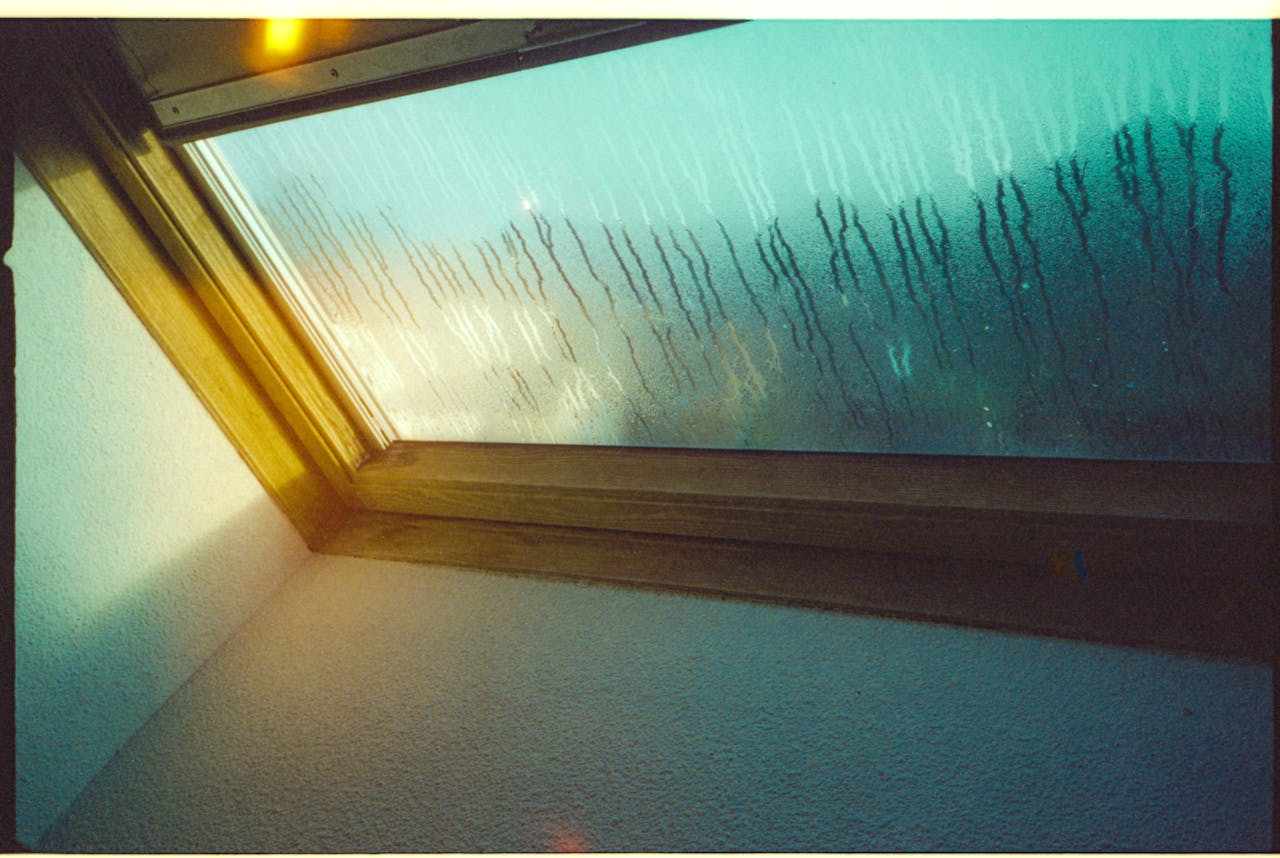
Moisture problems tend to build slowly. Small day-to-day rises in RH can avoid attention during a stay, but the subtle tells will grow: a slight musty smell, minimal condensation on window corners, or a damp feel in soft furnishings. Mold often becomes visible after guests leave, when occupancy stops stirring the air and vacancies let high humidity linger.
Health and comfort aside, the damage is tangible. High humidity supports dust mites and mildew, leading to hot upper floors and trouble sleeping. Persistent moisture also degrades paint, drywall, adhesives, and wood finishes.
The cost difference between proactive indoor climate monitoring and mold remediation is steep. Repairs lead to downtime, lost revenue, expenses, and reputational impact that can have a knock-on effect in your reviews and renewal rates. That’s why the safest path is to hold the ideal indoor temperature and humidity levels, and set automated humidity alerts to flag deviations before they escalate.
Manual inspections are necessary but insufficient. They’re periodic, time-consuming, and inevitably miss issues that arise outside office hours. Traditional thermostats help stabilize temperature, but they don’t provide context about RH, nor do notify teams when conditions start to drift.
On the other hand, contemporary sensors deliver continuous reads of temperature and humidity, plus real-time alerts when conditions exceed your defined thresholds. That’s the level of visibility property teams need to protect both comfort and the building envelope.
How Minut helps maintain healthy indoor climate conditions
Minut’s Indoor Climate gives operators portfolio-wide visibility into temperature and humidity, so issues never blindside you:
Continuous temperature and humidity monitoring across every unit, 24/7.
Real-time climate alerts when conditions exceed your temperature thresholds or sustained humidity patterns point to mold risk, freezing risk, or overheating.
Early warnings so you can adjust ventilation, dispatch maintenance, or combine climate data with occupancy insights for faster, more targeted action.
Centralized dashboards and team workflows that scale from a few rentals to thousands of units.
Your guests experience stable, comfortable spaces while your teams run a proactive operation with real-time insights. And because Minut is privacy-first, we protect guest trust while helping you uphold standards.
Preventing mold and moisture damage with Minut
Mold growth relies on time and moisture. Minut’s mold risk detection focuses on sustained patterns, sending humidity alerts only when RH or temperature trends indicate a genuine risk. That means fewer false alarms and accurate earlier interventions.
Act on alerts quickly with simple steps like airing out spaces, enabling bathroom and kitchen ventilation, instructing guests to run fans for a set duration, or scheduling maintenance to check for leaks or A/C malfunctions. Identifying a failing condensate pump or HVAC short-cycle pattern a week earlier can mean the difference between a minor fix and a multi-room remediation.
Best practices for setting indoor climate thresholds
A few simple rules help teams protect comfort and the asset, without overcorrecting:
Occupied vs vacant: Tune for comfort during stays, often 70–74°F with 40–50% RH, but adjust based on climate and guest feedback. Between stays, shift to protection-focused settings that hold RH under 50–55% while reducing heating or cooling to cut waste.
Seasonal adjustments: In winter, prevent freezing and condensation by keeping RH around 35–45% and maintaining base heat. In summer, target 40–50% RH to control mold risk and reduce the need to overcool.
Portfolio-wide SOPs: Standardize thresholds and escalation steps across teams. When weather changes or building-specific issues arise, tighten or relax limits accordingly and document those changes centrally.
By codifying these practices, operators can uphold the ideal indoor temperature and humidity in ways that scale, from single-family STRs to high-rise multifamily.
Conclusion
The ideal indoor temperature and humidity are not nice-to-haves. Rather, they are the foundation for guest comfort, health, and asset preservation. Keeping RH consistently under 60% and targeting 40–50% day-to-day remains the single most effective mold risk prevention move you can make. Equally, avoiding hard winter dips protects plumbing and materials from costly damage.
Manual checks and thermostats alone can’t sustain these outcomes at scale. Continuous, privacy-safe indoor climate monitoring with real-time climate alerts gives your team the visibility and speed to act before small deviations become big problems.
Ideal indoor temperature and humidity FAQs
What is the ideal indoor temperature for rental properties?
Most operators aim for 68–78°F (20–26°C), adjusted by season and time of day. Cooler temperatures at night often improve sleep, so long as humidity remains within the 40–50% RH band.
Can poor indoor climate affect tenant satisfaction?
Yes, temperatures that are uncomfortably hot or cold can disrupt sleep, contribute to guests feeling uncomfortable and irritable, and affect guest satisfaction.
How can landlords monitor temperature remotely?
Use smart indoor climate monitoring. Platforms like Minut Indoor Climate provide continuous temperature and humidity monitoring with real-time climate alerts when conditions drift outside your set thresholds.
What humidity level is considered unsafe indoors?
Humidity being consistently above 60% RH is risky for mold. Aim for 40–50% RH most days. In very cold weather, consider lowering your upper limit to avoid window and wall condensation.
How does Minut detect indoor climate risks?
Minut analyzes sustained humidity and temperature patterns to detect mold risk, freezing risk, and overheating. When it identifies conditions outside your temperature thresholds or safe RH ranges, it sends humidity alerts so teams can act before damage occurs.







.jpg)