How crowd detection helps hosts prevent parties without using cameras
Learn how crowd detection helps vacation rental hosts prevent parties without cameras. This is a privacy-safe guide to preventing unauthorized parties and gatherings.
All hosts know that a great stay can be undone in a single night. Unannounced parties are among the most expensive risks in hospitality. They create neighborhood complaints, jeopardize licenses, and can lead to serious damage.
Yet many hosts remain uncertain about their options. Cameras may seem the most obvious, but they’re an invasion of guest privacy and against platform rules if used indoors.
This is the moment for crowd detection. Done right, it gives hosts early warning of unauthorized gatherings without recording anyone, so you can prevent parties before they start. In this article, we’ll unpack what crowd detection is, why it’s a privacy-safe alternative to cameras, and how operators use it alongside noise monitoring to enforce rules, protect revenue, and keep communities happy.
What is crowd detection?
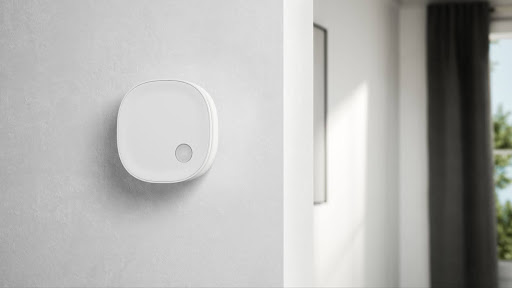
Crowd detection is a privacy-first way to understand when a space is filling beyond its intended capacity. Instead of recording video or audio, the system looks for anonymous signals that correlate with gatherings. For example, Minut’s crowd detection feature estimates the number of people based on the presence of mobile phones, and notifies the property operators when a configurable threshold is exceeded. The emphasis is on behavior patterns rather than surveillance.
That distinction is crucial. With crowd detection for vacation rentals, you’re not watching or listening. There aren’t microphones or cameras, so no conversations are being listened to. You’re tracking whether a home appears to be over capacity or trending toward a gathering that could breach STR house rules enforcement. It’s compliant and built to maintain guest trust.
Privacy-safe monitoring respects the boundary between protecting a property and surveilling people. That balance makes crowd detection a credible path to party prevention technology in markets that are pushing for stronger short-term rental compliance.
This means that operators aren’t allowed to use indoor cameras even if they wanted to, and even if the guests were informed of their presence.
Cameras are still permitted outside, such as a Ring doorbell, provided that the listing discloses where the cameras are located. This way, operators can see if people are arriving at their property, or if parties are taking place outside. But to have peace of mind over the occupancy levels inside, privacy-safe options are the only choice.
How crowd detection works without recording guests
Privacy-safe short-term rental crowd monitoring uses non-visual, non-audio signals. Minut uses passive signals from iOS devices as well as noise thresholds, without collecting any personal data. It compares the occupancy signals to the guest capacity you set, and sends a real-time notification if your specific threshold has been exceeded.
This design is purpose-built for compliance, guest experience, as well as helping to ensure the neighbors aren’t disturbed by unauthorized parties. Anonymous, non-recording occupancy signals sit squarely within that privacy-safe space.
How crowd detection helps prevent parties before they escalate
Prevention is all about being proactive. Once furniture is damaged and neighbors are upset, your focus is damage limitation. Effective crowd detection creates the opportunity for early, friendly intervention, which is key for party prevention for Airbnb and other platforms that emphasize community trust.
By being alerted to a unit trending above its expected guest occupancy, you’re able to send a courteous message, remind guests of house rules, or schedule a check-in before the situation escalates.
A significant benefit of this approach is the reduced risk of noise complaints. Noise and crowd detection work hand in hand:
Occupancy signals can identify a rapidly growing group even before the noise crosses a threshold.
Noise monitoring then validates if sound levels are sustained and above your comfort level.
Together, they help de-escalate issues quickly, preserve neighbor relationships, and protect ratings.
Crowd detection vs noise monitoring vs cameras
Each approach has a place, but the privacy and compliance lines are clear in private spaces.
Cameras: Effective for identity and visual verification, but heavily restricted by most platforms and local regulations in private areas, as well as creating a trust gap with guests.
Noise monitoring: Measures decibel levels and duration only, with no audio recorded. Major platforms such as Airbnb allow noise monitoring devices if they’re disclosed to guests, and this method is proven for early intervention during a stay. It doesn’t directly detect headcount, which is why many operators pair it with occupancy monitoring for rentals.
Crowd detection: Fills the gap by estimating occupancy and alerting you when a property is likely overcrowded. This is done without video, without audio, and without personal data, making it ideal for private spaces. In common areas such as lobbies or gyms, people-counting systems may use computer vision or other sensing modalities.
In short, crowd detection complements noise monitoring and replaces the role that many camera systems traditionally played in detecting over-occupancy. The privacy-safe approach enables them to be used indoors, giving operators more clarity over what’s happening in their properties while staying aligned with platform policies and guest expectations.
How Minut’s Crowd Detect supports privacy-safe party prevention
Minut’s Crowd Detect gives hosts a simple, privacy-first way to stop parties before they start. You set your home’s guest capacity, and the system automatically tailors a device threshold for your property. You can also set your own threshold and customize it for each property you manage.
If the device count rises above that threshold, Minut sends a real-time alert so you can take action to resolve issues quickly and respectfully.
Minut offers privacy-safe monitoring by design, and is engineered to help with Airbnb party prevention and STR house rules enforcement in a transparent and guest-friendly way. It doesn’t record video or audio, analyze conversation content, or collect personal data.
When hosts should use crowd detection
Not every listing has the same risk profile. Crowd detection is particularly valuable in these scenarios:
High-risk listings with large living areas, patios, or backyards that attract gatherings.
Urban, nightlife-adjacent, or event-heavy areas where neighborhood complaints can escalate quickly.
HOA or regulation-heavy locations that expect objective monitoring and prompt, documented responses to potential nuisances.
Operators with larger portfolios often start by deploying crowd detection in the properties with the highest risk, then expand as they see results. In properties where quiet hours or capacity rules are a central part of your listing and onboarding messages, crowd detection is a powerful tool for short-term rental compliance.
Best practices for using crowd detection effectively
The goal is proactive, courteous prevention, not punitive enforcement. Here are five field-tested recommendations that keep hosts, guests, and neighbors on the same page.
Set sensible thresholds. Calibrate your occupancy and noise thresholds to your property type and local norms. In larger spaces, a slightly higher device threshold with a shorter alerting window helps you spot sudden surges without over-alerting.
Combine occupancy and noise signals. Use noise and crowd detection together. An occupancy spike plus rising sustained decibels is a reliable indicator that a loud gathering is taking place.
Automate guest communication. A polite SMS or in-app message that references your house rules and quiet hours usually resolves unauthorized gatherings before they escalate.
Avoid false positives thoughtfully. Weekend afternoons may look different from weekday evenings. Consider time of day and booking context when setting your alerting windows.
Use alerts responsibly. Document outreach through your PMS or guest messaging so you have a clear audit trail.
Legal and compliance considerations
Unlike cameras, crowd detection avoids recording or analyzing personal content, making it suitable in private spaces. That said, transparency is essential, so always follow these steps:
Disclose your monitoring tools in your listings and in pre-arrival messages.
Keep devices out of private areas such as bathrooms and bedrooms.
Follow local guidelines on quiet hours and nuisance standards.
Noise monitoring is an effective way to stay compliant with municipal rules that set noise restrictions, such as Palm Springs mandating that noise not be audible at the property line. At the same time, privacy-safe noise monitoring devices keep you on the right side of privacy laws as they don’t gather any audio, visual, or personal information.
Final thoughts
Parties and unauthorized gatherings are preventable when you have the right signals at the right time. Crowd detection gives you these important early, privacy-safe insights so you can act before noise disturbs other people or becomes unmanageable. Operators need tools that put guest privacy and community standards first. Pair crowd detection with decibel-only noise monitoring and clear guest communication, and you’ll reduce risk as well as strengthen your brand.
Crowd detection FAQs
What is crowd detection in vacation rentals?
Crowd detection is a privacy-safe way to estimate how many people are in a unit by using non-visual, non-audio signals. It alerts hosts when occupancy likely exceeds the allowed capacity so they can prevent unauthorized gatherings without cameras.
Can crowd detection prevent Airbnb parties?
Yes. By flagging surges in occupancy before noise escalates, crowd detection gives hosts time to send reminders or intervene. Combined with Airbnb’s anti-party screening, which has reduced global party reports by more than 50% since 2020, it creates a strong prevention stack.
Is crowd detection legal for short-term rentals?
In most markets, yes, when implemented transparently and without recording personal content. Always disclose devices, follow platform rules, and comply with local regulations.
Does crowd detection record guests?
No. Minut’s approach doesn't record video or audio, and it doesn’t capture personal identity. It uses anonymous occupancy indicators to support privacy-safe monitoring.
How is crowd detection different from cameras?
Cameras capture images and identity, which invade guest privacy and platforms prohibit indoors. Crowd detection estimates occupancy without video, audio, or personal data, aligning with privacy expectations and platform rules as covered in reports on Airbnb’s indoor camera ban.
Can crowd detection work without noise monitoring?
Yes, but combining occupancy with decibel-only noise monitoring improves accuracy and response. Occupancy changes reveal potential overcrowding, while noise confirms sustained disturbance. The two together form a robust detect-and-de-escalate workflow.
Is crowd detection allowed under Airbnb rules?
Airbnb bans indoor cameras and allows disclosed, decibel-only noise monitors in permitted areas.







.png)