Florida short-term rental laws: 2026 guide for hosts
Florida regulates short-term rentals through a statewide licensing and tax framework, layered with city and county rules that vary widely across the state. This article explains the legal requirements operators must know to run a lawful short-term rental in Florida.
Florida is one of the most dynamic short‑term rental markets in the United States. Visitor demand is breaking records, with the state reporting roughly 143 million visitors in 2024 and record‑setting Q1 and Q2 2025 visitation on top of that. Such high numbers sustain pressure on operators to keep properties compliant, quiet, and guest‑ready while neighbors and local governments increase enforcement expectations.
At the same time, the legal framework remains a blend of statewide rules and local programs. A 2024 effort to centralize more of the rules (CS/SB 280) passed the Legislature but was vetoed, so the 2011 preemption and local patchwork continue to govern operations for 2025–2026. In other words, Florida’s short‑term rental laws are both clear and nuanced: state licensing, taxes, and safety rules apply everywhere, while cities and counties set operational standards, registration, and enforcement locally.
This article will explore the statewide baseline, what local governments can and can’t do, the most common city and county requirements, and the operational practices that protect your business and your community.
What counts as a short‑term or vacation rental in Florida
Florida regulates “public lodging establishments,” a term that includes hotels and vacation rentals. Two state definitions matter most: one for licensing and one for tax.
How Florida defines a licensable “vacation rental”
Under the public lodging statute, a vacation rental is a transient public lodging establishment that is either a single‑family dwelling or a unit in a condo or co‑op. In plain terms, if you’re renting a home or condo unit to the public for short stays and with sufficient frequency, you’re in vacation rental territory for licensing.
For tax purposes, Florida treats any rental of living quarters for six months or less as a taxable transient rental, whether that’s a hotel room, condo, apartment, or house. The statewide 6% sales tax applies to these transient accommodations. That means you can be both a licensable vacation rental and a taxable transient rental at the same time, even though the thresholds and definitions differ slightly between the licensing and tax codes.
State‑level licensing through DBPR
The Department of Business and Professional Regulation, via the Division of Hotels & Restaurants, licenses every public lodging establishment, including vacation rentals. Operating without the proper license is unlawful.
Who needs a vacation rental license
If your operation is a dwelling or condo unit offered to the public for transient stays, you need a state license. DBPR issues two core types: Dwellings and Condominiums. In addition to having the licence, the statute also makes it a requirement to display it “in the office or lobby of the licensed establishment.”
Importantly, a state license does not override local zoning or private restrictions. Think of it as your statewide “permission” to operate a transient lodging business, subject to all other applicable rules.
What to expect when applying
DBPR applications will capture ownership or responsible party details, the property address and unit identifiers, the license type and number of units, and fee payment. Many local governments require you to secure local approvals or registration before DBPR issues or renews a state license, so it’s common to prepare state and local paperwork at the same time. Also be aware that DBPR can inspect before or after licensing, and definitely will if they receive complaints.
Ongoing obligations, inspections, and training
State law expects licensed operators to keep premises safe and sanitary, comply with the Florida Building Code and Florida Fire Prevention Code, respond to complaints, and allow inspections. Florida also has a requirement for human‑trafficking awareness training and signage for public lodging establishments. If your operation has applicable staff, you must provide annual training, keep acknowledgments, and post required notices, with noncompliance triggering potential fines of $2,000 per day.
State taxes you must collect and remit
Even if a host operates without a license, tax obligations still apply when the transaction meets the statutory definition of a transient rental.
State sales and discretionary taxes
Florida imposes a 6% state sales tax on transient accommodations of six months or less. Depending on your location, a county discretionary surtax may also apply to the same base. You must register with the Florida Department of Revenue, collect tax from guests, and file returns on the prescribed schedule.
County tourist development and local transient taxes
Counties can levy a Tourist Development Tax (TDT) of 1%–6% on accommodations of six months or less. The combined tax burden of state, county TDT, and any local surtaxes can be 10%–13%.
Platform rules vary by county. Some counties have agreements where platforms collect and remit certain taxes on a host’s behalf. Others require hosts to register and remit directly. For example, Seminole County explains that platforms remit TDT for bookings made through them, while hosts remain responsible for direct bookings, as detailed in the county’s guidance. In Santa Rosa County and Flagler County, hosts must register and remit TDT directly. Platform collection policies are also summarized at Airbnb’s help center, which you should review alongside county rules to avoid gaps.
State safety, building, and fire requirements
Florida doesn’t publish a single “STR safety checklist” statute. Instead, you’re expected to comply with statewide building and fire codes and any local amendments.
In practice, that means code‑compliant egress from sleeping rooms, smoke and carbon monoxide alarms where required, accessible fire extinguishers, safe electrical and mechanical systems, proper railings, and pool safety barriers if applicable. Occupancy is often limited by code as well, and many local ordinances layer on explicit caps.
Two other state rules affect day‑to‑day operations:
Florida’s two‑party consent law prohibits intercepting or recording oral communications without consent. This is why privacy‑safe, non‑recording noise level sensors are the appropriate option for preventing parties and documenting compliance without capturing audio content.
Florida has strong state preemption on certain aspects of vacation rentals, while leaving considerable room for local operational regulation.
Preempted areas and the 2011 “grandfathering” date
Cities and counties may not prohibit vacation rentals or regulate the duration or frequency of stays, unless they had ordinances in place by June 1, 2011, in which case those rules are grandfathered and remain enforceable. The controlling language is in Florida Statutes §509.032(7).
As noted at the start of this article, a broad 2024 bill to standardize more rules statewide was vetoed, which means the existing preemption plus local regulatory space continues unchanged.
What local governments still regulate
Local governments commonly regulate vacation rentals through registration or certificates, fees, inspections, safety, occupancy, parking, trash, signage, and advertising rules. They can enforce noise and nuisance limits, require a 24/7 responsible party, and sanction noncompliance through code enforcement systems. Many demand that you include a local registration or state license number in your online listings.
This is where Florida’s patchwork emerges. Two adjacent jurisdictions can have very different frameworks, so always check your city if you’re inside an incorporated area, or your county if you’re in the unincorporated area.
Typical local rules you will encounter, with real examples
Because state law preempts bans and post‑2011 limits on stay length, Florida cities and counties focus on the operational side. Here are commonly cited examples to help you calibrate your compliance program:
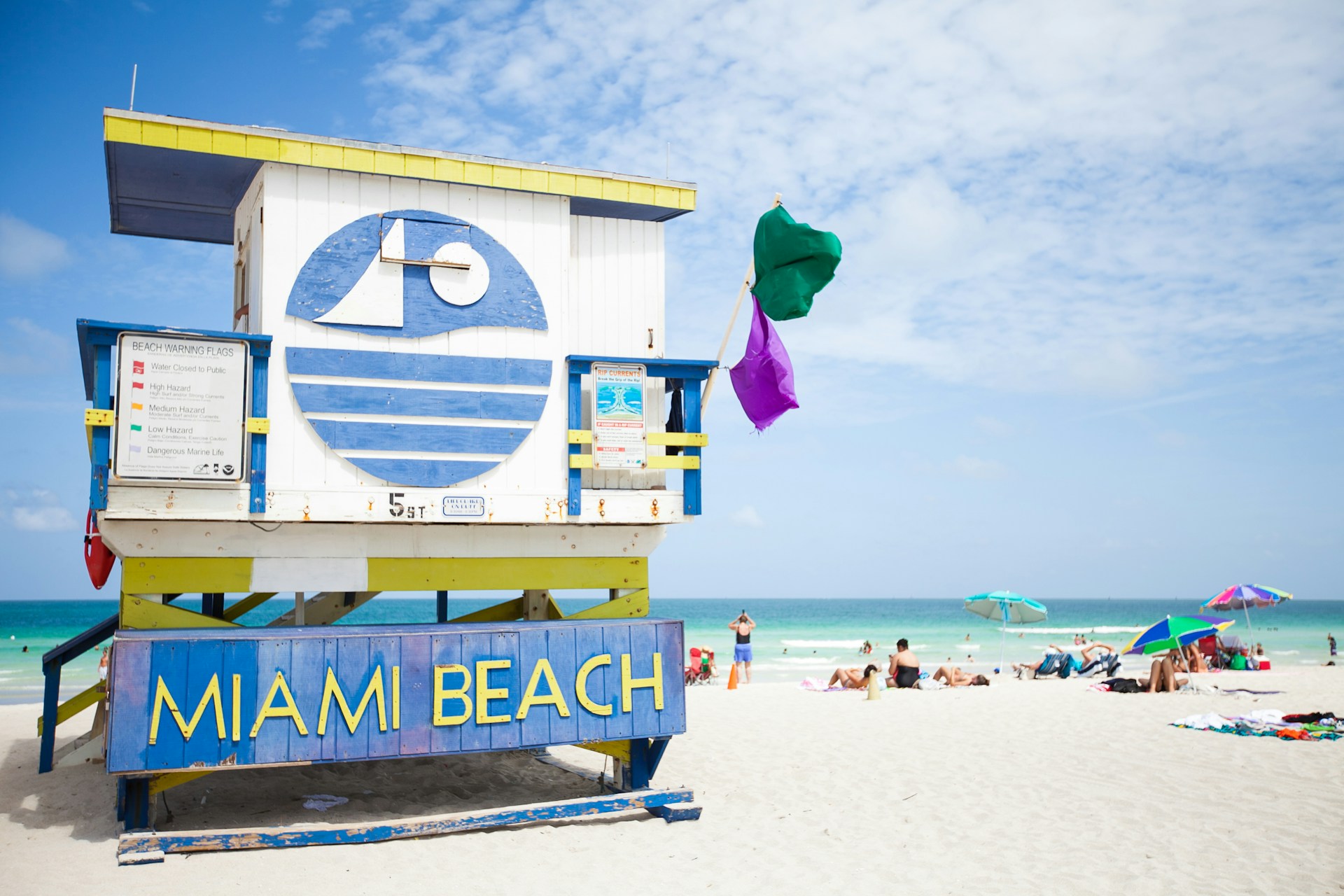
Miami Beach’s vacation rental approach relies on zoning: rentals under six months and a day are prohibited across most residential areas, with limited exceptions. The city requires a Business Tax Receipt, resort tax registration, and a Certificate of Use where STRs are allowed.
The City of Miami requires a formal process to convert units to lodging use, including an Operational Management Plan, a Certificate of Use and Occupancy, DBPR licensing, and a city Business Tax Receipt. Inspections and renewals are part of the life cycle.
Orlando allows home‑sharing citywide with conditions: the host must live on‑site and be present, only one booking at a time is allowed, and no more than 50% of bedrooms may be rented. Whole‑home lodging use requires separate approvals in appropriate zones.
Fort Lauderdale operates one of the state’s most prescriptive programs for one to four unit dwellings and condos rented 30 days or less, including registration, occupancy caps, parking standards, in‑unit postings, and since 2023 a requirement for a noise level detection device with data retention.
Pinellas County requires a countywide Certificate of Use for rentals of fewer than 30 days more than three times per year, or properties advertised as a place for regular guest rentals.
In the Florida Keys, Monroe County allows rentals of less than 28 days only in specific zoning districts and, where permitted, requires an annual Special Vacation Rental Permit with detailed conditions on quiet hours, trash service, parking, dock and boat use, and a locally based vacation rental manager who must be on call at all times to respond quickly to complaints.
These examples reflect a consistent pattern statewide: local registration and inspection, zoning‑based eligibility, explicit occupancy and parking rules, in‑unit postings about conduct and contacts, and responsive management.
A practical checklist for Florida STR operators
Use this field‑tested sequence to move from idea to inspection‑ready:
Classify your use. If you offer a dwelling or condo unit to the public for stays shorter than 30 days or one calendar month and operate more than three times per year, you likely need a DBPR license under Chapter 509. Then confirm whether your rentals are six months or less for tax purposes under Florida Statutes §212.03.
Secure state licensing. Choose the correct DBPR license category (Dwelling or Condominium), set up your online account, file your application, and plan for inspections. Review the licensing mandate and process references at Florida Statutes §509.241.
Register for taxes. Register with the Florida DOR for state sales tax, and register for county TDT and other local taxes as required.
Verify local rules. Determine whether you’re in an incorporated city or the unincorporated county. Search for a short‑term rental registration, zoning eligibility, occupancy and parking standards, in‑unit postings, advertising requirements, and inspection schedules.
Ensure the property meets vacation rental standards. Confirm egress, smoke and CO alarms, and fire extinguishers. Address railings, pool barriers, and electrical or mechanical issues. Set occupancy based on code and local caps.
Clear private restrictions. Review condo or HOA declarations, rules, and amendments. If you’re not the owner, review your lease. Confirm mortgage and insurance policies allow STR use.
Prepare for inspections and enforcement. Because anonymous code complaints are largely prohibited, clear documentation wins the day: time‑stamped noise logs, occupancy alerts, guest messaging records, and neighbor hotline logs can transform hearings and protect your license.
How Minut helps you comply, respect privacy, and protect your business
Professional managers in Florida increasingly adopt privacy‑safe monitoring and automated guest messaging to prevent disturbances and document compliance. Minut’s sensor for vacation rentals measures noise levels without recording audio, aligning with Florida’s two‑party consent law while giving you objective, time‑stamped readings that can resolve issues quickly and stand up in code hearings.
In jurisdictions where a noise device is required — such as Fort Lauderdale — the ability to deploy a single, privacy-first sensor that also supports occupancy awareness, cigarette smoke detection, and in‑stay communications gives you one system for prevention, response, and record‑keeping.
FAQs: Florida short‑term rental laws
Do I need a state license to rent my condo or house short term?
Yes. If you rent a dwelling or condo unit to the public for short stays and operate more than three times per year, you must hold a DBPR license as a public lodging establishment, specifically as a vacation rental.
How much tax should I collect on Florida short stays?
At a minimum, 6% state sales tax on rentals of six months or less. Most counties add a Tourist Development Tax of 1%–6%, plus local discretionary surtaxes in some areas. Check whether your platform remits any portion, and register locally where needed.
Are noise monitors legal in Florida short‑term rentals?
Yes, privacy‑safe noise level sensors are legal and sometimes required. Florida is a two‑party consent state for recording oral communications, so devices should monitor decibel levels without capturing audio content. Some jurisdictions, like Fort Lauderdale, explicitly require a noise level device and set data retention expectations.
Disclaimer
The information in this article is provided for general informational purposes only and reflects regulations as they were understood at the time of writing. It should not be considered legal advice. Laws and enforcement practices may change without notice, and local interpretations can vary. Always verify current requirements with official city, county, or state authorities before operating a short-term rental.








.png)