Guest safety in short-term rentals: The ultimate safety checklist for hosts
Ensure guest safety in short-term rentals with this practical checklist covering smart locks, fire and CO safety, mold prevention, emergency readiness, and privacy-safe monitoring.
Guest safety should be a north star for all property operators. It’s a cornerstone of trust, so the guiding principle should always be to not only do what’s legally required, but what’s going to be more beneficial to your guests.
Aside from being the right thing to do, prioritizing guest safety also makes good business sense. The way you protect people shapes everything from your reviews to your occupancy rate, and this is true whether you manage a single vacation home or a global portfolio of apartments and aparthotels.
This article gives you a practical guide to guest safety. From definition to essential features, we’ll define the host duty of care in plain language, align platform expectations with local codes, and translate best practices into a host-ready guest safety checklist you can act on today.
What is guest safety in short-term rentals?
Guest safety in short-term rentals means proactively reducing risks that could harm guests, from access control and fire protection to indoor air quality and emergency readiness. It covers prevention, clear information, and rapid response, supported by privacy-safe technology and well-maintained essentials like smoke and carbon monoxide detectors, first aid kits, and safe egress routes.
Why guest safety has become a top priority for hosts
Guest safety is a trust signal that travelers look for before they book. Clear policies, visible safety measures, and fast responses give people confidence about booking with you.
Guests have the same expectations for anywhere they may book, including direct booking sites and OTAs, and they compare options across channels. That's why having clarity around your safety measures helps to instill confidence.
Why guest safety is a core responsibility for hosts
Host duty of care explained
Hosts should always remember that guests are often unfamiliar with the property and the neighborhood, so they depend on your foresight.
“Duty of care” in short-term rentals means taking reasonable steps to protect guests from foreseeable harm during their stay. This goes beyond having clean surfaces, and includes:
secure entry
safe exits
working alarms
clear instructions
healthy indoor conditions
Commonly overlooked risks include running water being too hot, blocked emergency exit routes, missing or expired smoke and carbon monoxide detectors, or humidity spikes that can lead to mold growth.
Platform expectations vs local regulations
All platforms expect baseline safety, such as functioning alarms, clear access, and compliant house rules. But local regulations vary widely across fire codes, zoning rules, and housing laws, not to mention insurance conditions. Hosts should plan for the strictest applicable standard across the jurisdictions where they operate, then use internal SOPs to ensure consistency over time.
Travelers evaluate safety before booking, often subconsciously. Without mentioning it, they’ll notice if doors look strong, smoke alarms are visible, entries are well-lit or dim, and if clear house rules exist. They also notice how you communicate. That’s how transparent safety details reduce complaints and increase long-term occupancy.
Secure entry and exit management
Smart locks and controlled access
If you’re using physical keys, it’s important to acknowledge the risks. They can be copied, lost, or left in insecure lockboxes. If a guest loses their key and gets locked out, you need to find a way to physically let them into the property. For security reasons, a lost key may also require changing the locks.
Smart locks for rentals remove those particular risks, as they can grant access with codes. For additional security, you can create a temporary code for each guest and delete it once their stay ends. Smart locks also offer audit trails for access, showing you exactly when the doors were unlocked and locked. For guests, smart locks create a smooth arrival with no meet-ups, nor concerns about losing the key.
With integrated smart locks and door sensors, you can receive alerts when an exterior door opens or doesn’t close properly. These notifications can offer guests peace of mind against children from wandering out unnoticed, as well as against strangers being able to walk in. The same alerts give you confidence that doors and windows are secured between stays.
Smart lock integrations and safety workflows
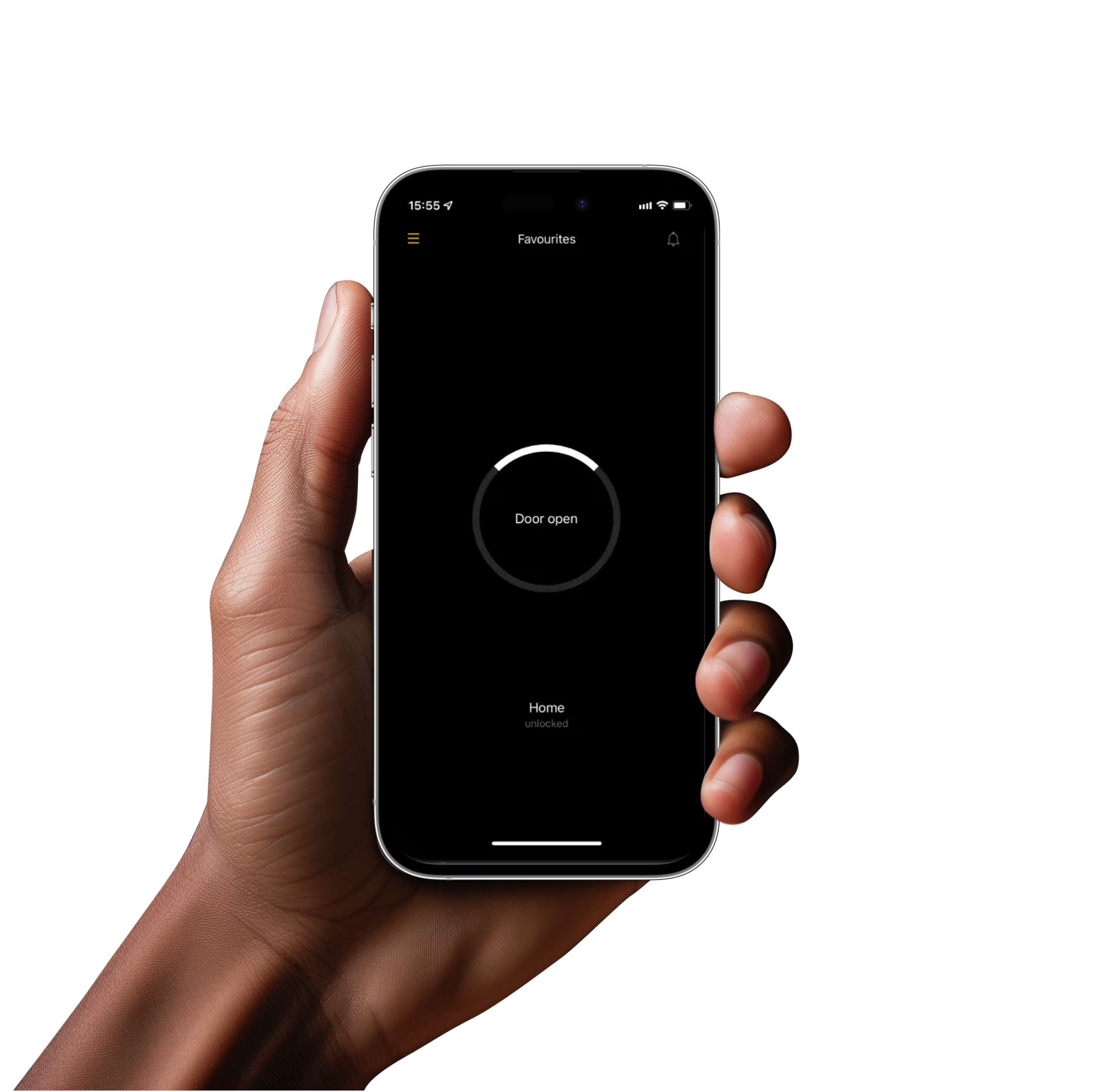
The best setups feel invisible to guests: auto-lock immediately after check-in, send a friendly alert if the front door stays open, and expire codes the moment a reservation ends. The result is better guest safety with less effort for your team. Minut’s smart lock integrations can send guests their access codes, offer remote unlock, and give temporary, stay-based device access.
The Nuki smart lock app
Fire, smoke, and carbon monoxide protection
Smoke safety in short-term rentals
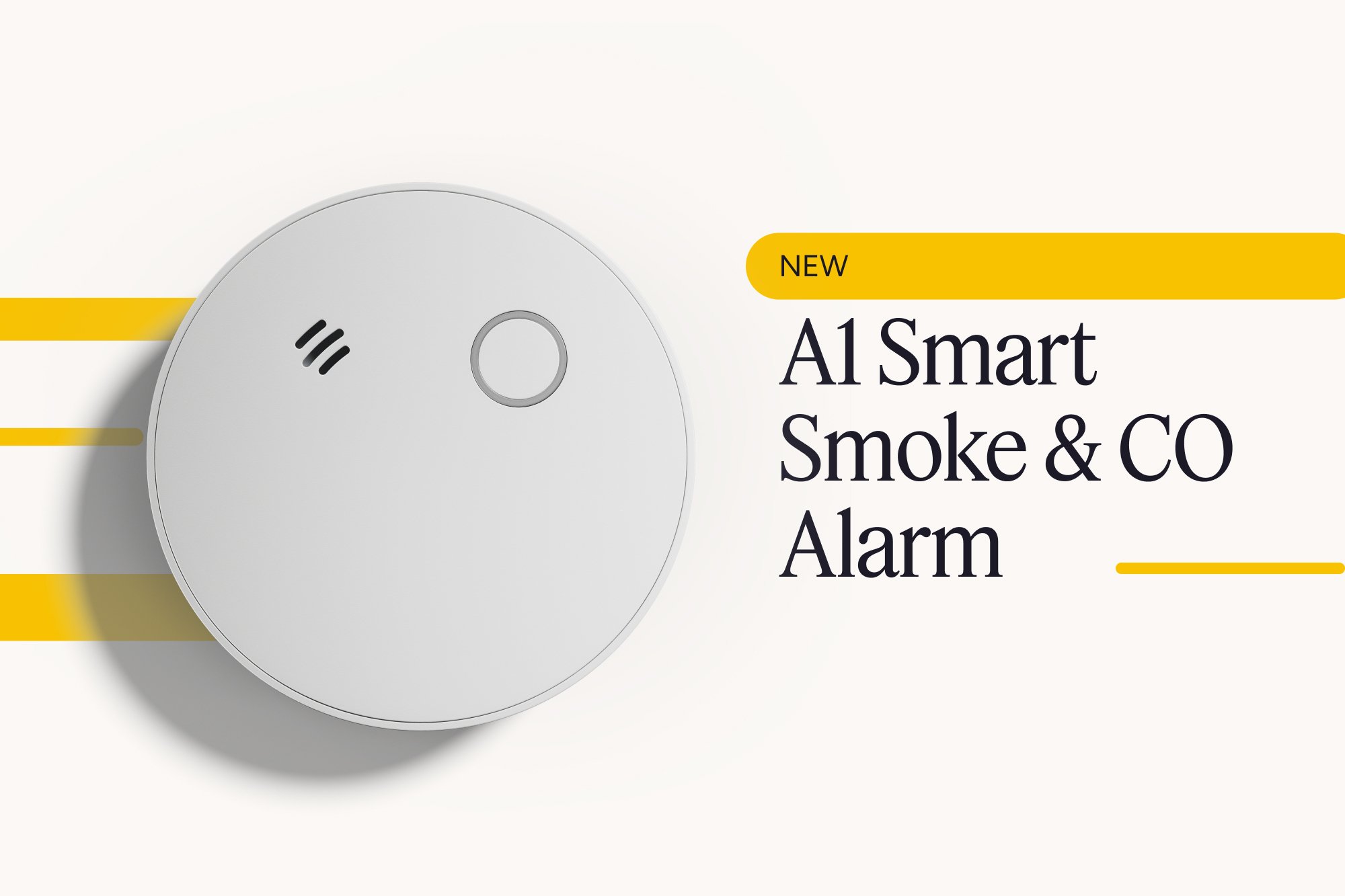
The most common causes of smoke and fire in vacation rentals are indoor smoking and kitchen mishaps, which is why it's essential to have smoke and carbon monoxide detectors that are tested regularly and documented in your SOP. For additional security, Minut’s sensor can detect the noise from other alarms, such as smoke alarms, and notify you in real time so you can intervene quickly.
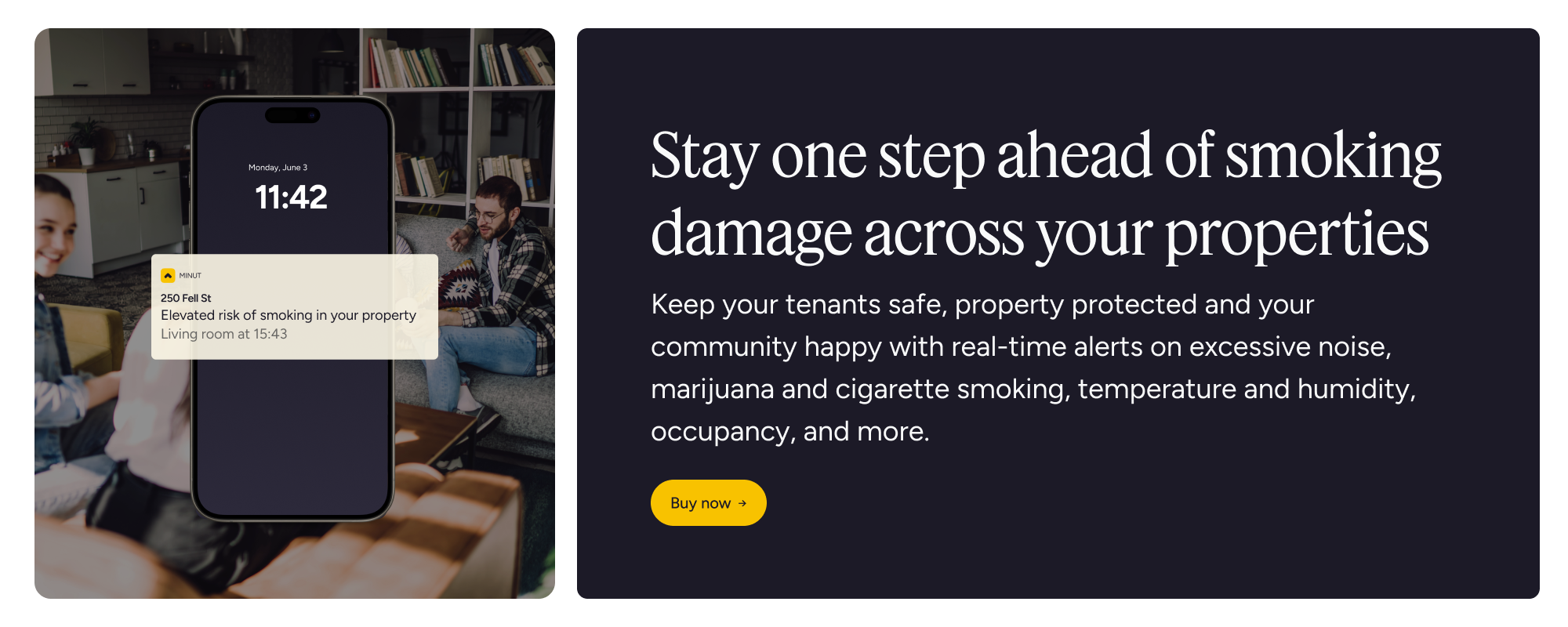
With Minut’s privacy-safe smoking detection, you can also get a real-time heads-up if guests are detected to be smoking.
Carbon monoxide risks and detection
Carbon monoxide (CO) is invisible, odorless, and lethal. The main risks come from sources such as:
gas stoves
boilers
furnaces
water heaters
fireplaces
attached garages
Place CO detectors outside each sleeping area and on every floor. In multi-room apartments, add detectors to hallways near bedrooms and within proximity to fuel-burning appliances. Test each device monthly and replace them according to the manufacturer guidelines. Finally, make sure guests know where detectors are and what the alarm sounds like.
Annual gas appliance inspections
A yearly inspection by a certified gas technician is one of the simplest ways to protect your property and the people in it, as they can catch small problems early, saving you from emergency repairs and potentially dangerous issues later.
In many jurisdictions, annual safety checks are also a legal requirement and an expectation under most insurance policies. Keeping a record of service dates not only demonstrates compliance but also builds trust with guests, showing that their safety is your priority.
Mitigating mold and indoor health risks
Why indoor climate is part of guest safety
Mold can grow quickly after humidity spikes, plumbing leaks, or in under-ventilated bathrooms. Guests may even suffer symptoms before the mold becomes visible, especially if they have allergies or asthma. That’s why indoor climate belongs in every guest safety checklist.
But relying on guest feedback or housekeeping to spot conditions isn’t proactive. Continuous awareness of temperature and humidity highlights issues before they become claims or reviews. With Minut’s indoor climate monitoring, you can track trends, spot risks that lead to mold, and protect both guests and property without ever recording or watching people. For deeper guidance on risk factors, see our practical primer on how to check your property for mold.
How Minut supports indoor health monitoring
Minut’s privacy-safe sensors measure temperature and humidity and detect sustained conditions that increase mold risk. Combined with instant alerts, this helps you intervene early.
Being reachable in an emergency
Host availability and response readiness
Speed is essential when something goes wrong. Guests in unfamiliar locations need clear, reliable ways to reach a person who can help. That could be you, your duty manager, or a third-party service. Beyond tools, ensure your on-call rota is indisputable and posted where guests will find it.
Emergency services information for guests
International travelers may not know the local emergency numbers, how to describe the neighborhood, or the nearest open pharmacy, so always present this information clearly. This can be a simple card that lists emergency numbers, the property address, local hospital or urgent care, and a short instruction on what to do if the power fails.
Place essential safety information in at least two places: a physical booklet in a visible location and a digital guide sent pre-arrival. Include emergency contacts, the full property address, exit instructions, and where to find the first aid kit. Keep it short and scannable so guests can find the information easily when stress levels are high.
Emergency exit routes and evacuation planning
Clearly marked and accessible exits
Every property should have clearly marked and unobstructed emergency exit routes. Do a quick “guest-eye view” tour before each arrival. Are hallways clear at night? Are locks easy to open from the inside without a key? Avoid creating trapped spaces with deadbolts or chain locks on exit doors that could confuse or delay guests in a hurry.
Fire escape instructions
Keep fire escape guidance concise, visual, and near exits and stoves. A small laminated plan by the door with a “You are here” marker is often enough. Back it up with a sentence in your digital guide that reminds guests where to go and what to do first.
Night-time and power-outage visibility
Exits need to remain visible if the lights go out. Consider battery-backed exit lighting, glow-in-the-dark signage, and torches in easy-to-access locations. For multi-unit buildings, coordinate with management to ensure standards are consistent building-wide.
Physical safety inside the property
Eliminating trip and fall hazards
Scan for loose rugs and unsecured mats, uneven thresholds, and cluttered walkways. Check stair lighting and handrails. Hide or secure dangling cords and remove temporary fixes like tape-on cable runs. A five-minute walkthrough per turnover pays for itself in avoided injuries.
Hot water safety and scald prevention
Set your water heater to a safe temperature. The Consumer Product Safety Commission in the USA recommends water heaters to be lowered to 120 degrees fahrenheit, although it also notes that this is till hot enough to cause third-degree burns if exposure reaches five minutes. The UK’s Health and Safety Executive recommends that the hot water temperature should not exceed 44 degrees celsius.
Put a line in your guide that warns about hot taps and showers, and check mixer valves regularly.
First aid and on-site preparedness
A first aid kit for vacation rentals should include bandages, antiseptics, gloves, burn gel, and simple instructions. Keep it in a visible kitchen or hallway location and date-check the contents monthly.
Cameras, privacy, and guest trust
Doorbell cameras and safety
Exterior-only doorbell cameras are permitted, and they are useful security tools. But it’s important to follow platform rules and local laws carefully, disclose devices clearly in your listing and guide, and never place cameras inside living spaces.
Safety should make guests feel cared for, not watched.
Privacy-safe monitoring with Minut
Minut takes a privacy-first approach to guest safety. There are no cameras or microphones, so no personal information is ever collected. Instead, it measures sound levels to detect sustained noise, identifies increased likelihood of guest smoking, and monitors indoor conditions to prevent health risks. With noise monitoring, smoking detection, and indoor climate monitoring, you get the alerts you need, when you need them, without surveillance. This is guest safety that builds trust.
The ultimate guest safety checklist for hosts
Here’s a vacation rental safety checklist that scales with your portfolio:
Entry security
Install smart locks for rentals with time-limited codes and auto-lock.
Enable door-open or door-ajar alerts and expire codes on checkout.
Fire and CO safety
Fit interconnected smoke and carbon monoxide detectors and test monthly.
Post simple fire escape instructions and keep hallways and exits clear.
Indoor health
Monitor temperature and humidity continuously to prevent mold.
Ventilate kitchens and bathrooms and fix leaks within 24 hours.
Emergency readiness
Display local emergency numbers and the full property address.
Keep a visible first aid kit and torches with spare batteries.
Physical hazards
Remove trip and fall hazards and improve stair and hallway lighting.
Set safe hot water temperatures and check mixer valves.
How better guest safety improves long-term performance
Guest safety is proactive, not reactive. It’s the quiet demonstration of your professionalism that guests notice and remember. A clear guest safety checklist, smart access, tested alarms, indoor climate awareness, and crisp communication help to reduce risk for everyone. And when you add privacy-safe monitoring from Minut, you further increase safety without sacrificing trust.
When you hardwire guest safety into your operation, there are fewer incidents to manage, fewer distressed calls, and fewer refunds. Booking confidence grows because guests can see you’ve thought about what matters to them. Disputes and claims decrease as you build a trail of maintenance checks, detector tests, and policy communications. Over time, that becomes a durable reputation for care.
Guest safety checklist FAQs
What are the most important guest safety requirements for short-term rentals?
Focus on secure entry, working smoke and carbon monoxide detectors, clear emergency exit routes, safe hot water temperatures, and visible emergency contacts. Add privacy-safe monitoring to catch noise, smoke, and indoor climate issues early.
What should be included in a guest safety checklist for vacation rentals?
Include smart locks for rentals with auto-lock, detector testing schedules, evacuation instructions, first aid kit location, trip and fall hazard checks, and humidity monitoring for mold prevention in rentals. Standardize it as your vacation rental safety checklist across all properties.
Are hosts legally responsible for guest safety in short-term rentals?
Yes. Hosts have a duty of care to take reasonable steps to protect guests from foreseeable harm. Platform policies and local regulations both apply, so plan for the strictest standard in your area and align to a consistent short-term rental safety SOP.
Do short-term rentals need smoke detectors and carbon monoxide detectors?
Absolutely. Every property should have functioning, regularly tested smoke and carbon monoxide detectors. Many jurisdictions require them by law. Keep a log of tests and battery changes in your maintenance log.
Where should smoke and carbon monoxide detectors be placed in a vacation rental?
Place smoke detectors on every level and inside or immediately outside each bedroom. Place CO detectors outside sleeping areas and on each floor, and near fuel-burning appliances. Always follow local codes and manufacturer guidance.
Are smart locks worth it for guest safety in short-term rentals?
Smart locks eliminate the risk of a physical key being lost or copied, simplify arrivals, and enable workflows like auto-locking and one-time codes. This helps them to improve guest safety and reduce operational friction at scale.
Can a door-opening alert help prevent children from leaving the rental unnoticed?
Yes. Door or contact sensor alerts tied to your lock system can notify caregivers when an exterior door opens or stays ajar, adding a family-friendly layer of safety.





.png)
.png)