How to automate property management without losing the human touch
See how to automate property management workflows to save time and reduce errors while preserving the personal connections that keep guests and residents satisfied.
If you manage properties, you already know the paradox. Your success depends on relationships, yet your days are consumed by repetitive work: pre-arrival instructions, check-in logistics, maintenance updates, quiet-hours enforcement. Each task is essential, but also quietly steals time from the moments that actually build trust.
It’s why so many teams are exploring how to automate property management. The promise is clear: automation can deliver faster responses, fewer errors, and always-on coverage. But the fear is equally real: will it all start to feel robotic?
The reality is more encouraging. When you pair smart automation with thoughtful service design, you remove friction while amplifying the human touch. You create rapid, consistent experiences for guests and residents, then put your people back where they shine, like listening, solving problems, and strengthening community. We see it every day across hotels, aparthotels, short-term rentals, multifamily communities, and student accommodation.
Why automating property management matters
Expectations have shifted in recent years. Travelers and residents want seamless, low-touch service that works on their phones. In a global Oracle Hospitality/Skift study, nearly three quarters of travelers said they want to manage their stay from their mobile device. This isn’t a demand to replace people. Rather, it’s about letting guests choose speed and control when they want it, then escalating to a person when needed.
This can be seen as positive news for hotels who have struggled with low staffing issues, too. Even as travel recovered, 65% of U.S. hotels still reported staffing shortages in early 2025, with housekeeping the hardest role to fill. Meanwhile, Deloitte’s research found that more than half of surveyed hotel leaders expect automation to improve the guest experience.
Done right, automation in property management increases efficiency without erasing personality. You standardize the tasks that should be identical every time, then use the saved hours to deliver personal touches. If you’re automating property management, your goal is consistency plus care.
What you should automate (and why)
Start with the interactions that happen on every stay or lease and benefit from speed, accuracy, and consistency, then layer in details that make each touchpoint feel personal.
Guest and tenant communications
Most of the messages you send are predictable and repeatable: pre-arrival welcome notes, check-in instructions, WiFi and amenity details, maintenance updates, and check-out guidance follow a standard arc. Automating these with smart templates and schedules ensures they go out on time and in the right tone. Include names, booking or unit details, and local nuances so each note still feels personal.
AI assistants can now triage common questions, surface instant answers, and send anything more complex to a person. This approach mirrors what leading brands have seen at scale. Hilton reported 10.5 million on-property messaging conversations in 2023, with 70% of guests who used messaging saying it improved their stay.
Payments and billing
Automated invoicing and late-fee triggers quietly protect cash flow. You set rules once, connect your property management system to your payment processor, and reduce awkward chases and missed steps. For student housing or multifamily, split payments and reminders keep roommates aligned. For hotels and short-term rentals, automated holds, ID checks, and pre-arrival disclosures reduce disputes.
Maintenance workflows
Great maintenance is a communications job masquerading as a facilities job. Automation keeps it honest. When a resident submits an issue, your system should automatically assign the ticket to the right person or vendor, confirm receipt, set expectations, and send updates at each stage. Priority rules move urgent items, like water leaks, to the top, while preventive tasks are scheduled during low-impact windows.
Sensors make this even more powerful. Leak and flow sensors can trigger instant alerts and even automated shutoff, while temperature and humidity thresholds can flag freeze risks or conditions that promote mold. In practice, this means fewer emergencies and shorter downtimes, without more headcount.
Noise and occupancy monitoring
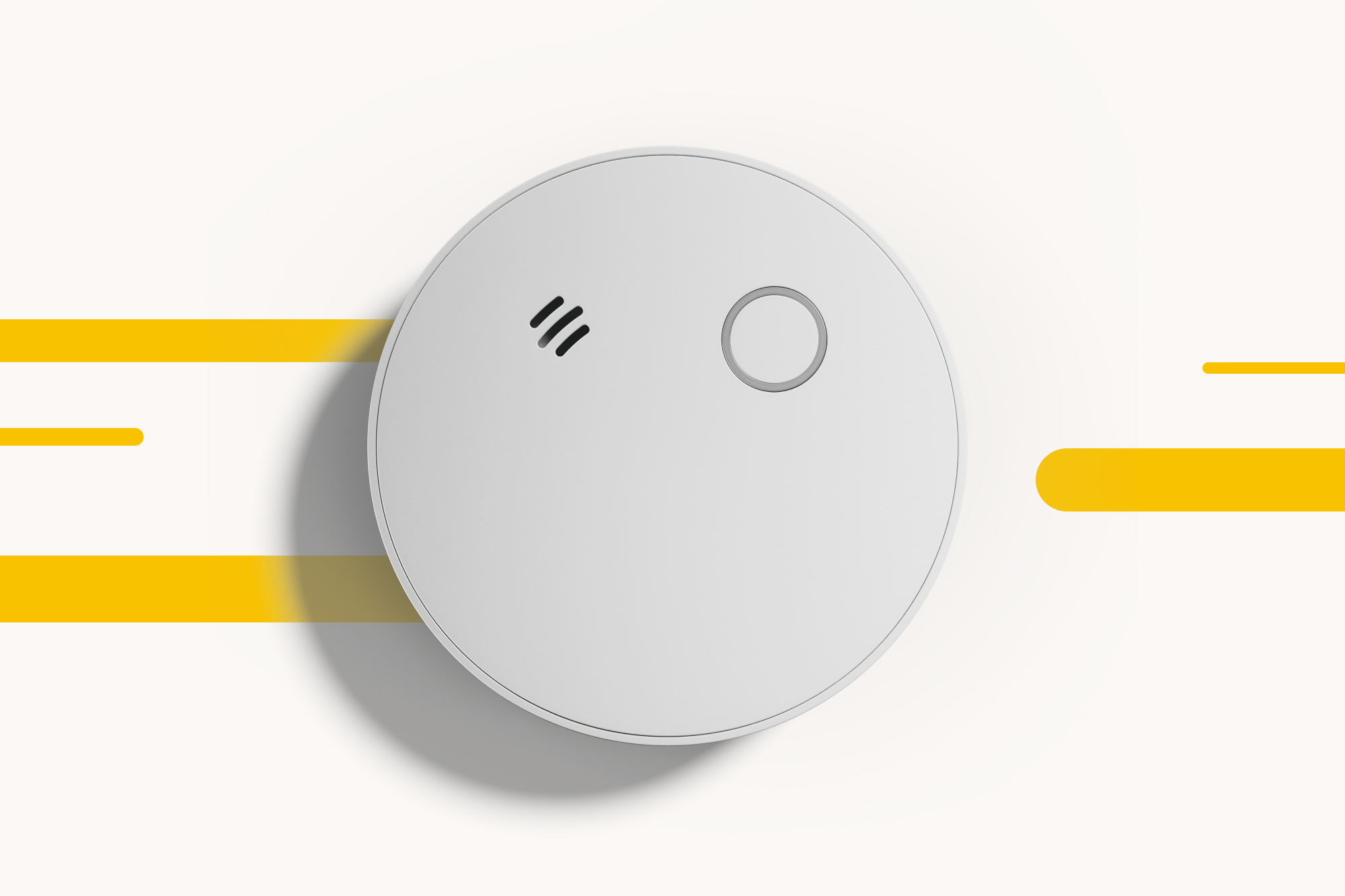
Disturbance prevention is where automation delivers outsized value with the right privacy standards. Minut’s privacy-conscious sensor measures sound levels and occupancy trends without recording video or audio, or collecting personally identifying information. When noise levels rise, Minut can send a friendly, pre-written message to guests and alert staff if the issue persists. The goal is simple: solve small problems before they become big ones.
This approach aligns with broader industry changes. For example, Airbnb’s automated anti-party systems, combined with platform-level screening, contributed to a more than 50% drop in party-report rates since 2020, with fewer than 0.06% of U.S. reservations resulting in a party report in 2024.
What you should not automate
There are moments when only a person will do. Conflict resolution requires empathy and judgment. If a neighbor is distressed or a resident is frustrated, a calm human conversation can defuse tension and protect long-term relationships. Emergencies also demand human oversight, even when sensors are involved. Automations can trigger alerts and initial steps, but people make the final call.
Relationship-building deserves the same care. Personalized welcome touches, loyalty outreach, and sensitive feedback conversations are your chance to deepen trust. You can automate a feedback request, but respond with a name and context. The guests and residents who feel seen become your advocates.
How to keep the human touch while automating
Start by writing templates that sound like you. Use plain language, include names and specifics, and anticipate feelings. A noise notification can be friendly and clear. A noise notification can be friendly and clear rather than stern.
Make automation the first move, not the last word. Let systems send the right message at the right time, then have staff follow up personally when the situation calls for it. Be transparent, too. Let customers know when they are interacting with an automated assistant, and make it easy to reach a person.
Finally, give your team the tools to intervene quickly. When your systems are connected, your staff can see context at a glance and respond with confidence.
Operational benefits of automating property management
Automation pays off on three fronts: quality, capacity, and cost.
First, quality improves when every standard touchpoint is on time and on brand. Guests and residents notice responsiveness. As noted earlier, messaging and self-service tools are now drivers of satisfaction in the hospitality sector.
Second, automation expands your team’s capacity without expanding headcount, helping to mitigate such problems as staff shortages in hotels and the realities of running lean teams.
Third, automation cuts risk. Automated screening and real-time alerts correlate with fewer incidents and faster resolution, because they give you the opportunity to intervene quickly when necessary.
Practical steps to start automating
You don’t need to transform everything at once. Start small and build on clear wins.
If you’re considering how to automate property management, start with focused wins that build momentum and confidence before you scale.
Audit your workflows. Walk the journey for a guest, a resident, and a vendor. Identify every repeatable touchpoint and note where handoffs fail. Pre-arrival messages, check-in details, billing, maintenance, and quiet-hours enforcement are common starting points.
Choose systems that integrate well. Your property management system should connect to your messaging platform, payments, and key devices. Many operators adopt managed WiFi to ensure always-on connectivity for access control, thermostats, and sensors, which in turn keeps automation reliable across the building.
Start small, measure, and expand. You could start with noise and occupancy monitoring, then automate communications. Define success in concrete terms, such as faster response times, fewer in-person check-ins, reduced energy costs, and lower disturbance rates.
Train teams to oversee and personalize. Automation should not disappear behind a curtain. Give staff a clear view of message histories, sensor events, and guest or resident profiles so they can step in with empathy.
The future of automation in property development
Automating property management is not about replacing people. It is about giving your team better tools so they can deliver the responsiveness modern guests and residents expect while showing up in person when it counts. The data is clear: travelers want self-service and fast messaging, labor shortages persist, and cities demand sharper compliance. The operators who embrace automation in property development and day-to-day operations will scale with fewer errors, stronger community standards, and more time for the human interactions that matter most.
FAQs
How can I use AI in property management effectively?
Use AI to handle the repetitive work that steals time from your team. AI assistants can draft and schedule guest and resident messages, answer common questions, summarize maintenance histories, and route tickets to the right person. For risk prevention, AI helps spot anomalies in noise, occupancy, or environmental data and prompt early intervention. Keep humans in the loop for anything sensitive. The most effective approach blends automated first responses with a clear path to a person.
How does property management software help with automating processes?
Your PMS is the hub that connects reservations or leases, billing, communications, and maintenance. With the right integrations, you can trigger messages based on booking or lease events, collect payments automatically, route work orders, and log sensor alerts directly to a ticket. When platforms like Minut connect to the PMS and messaging tools, noise or occupancy thresholds can trigger friendly, pre-written messages and alert staff if follow-up is needed. That end-to-end flow is how you scale without losing control.
Does automating property management hurt tenant or guest relationships?
Not when you design it thoughtfully. Guests prefer fast, self-service options for routine needs and still want easy access to a person when it matters. Around 73% of travelers want to use their mobile device to manage their hotel experience, including check-in and check-out. Automation handles what should be consistent every time, then your team brings empathy and judgment to the moments that define relationships.
What’s the best way to start automating property management?
Begin where impact meets simplicity. Automate pre-arrival and check-in messages, payment reminders, and routine maintenance routing. Add privacy-safe risk sensors — noise, leak, temperature — so you can intervene before issues escalate. Choose systems that integrate with your PMS and messaging tools, run a short pilot, and measure outcomes like response time, disturbance rates, and energy usage. Train your team to supervise and personalize. Then expand to access control, energy optimization, and compliance reporting.








.jpg)