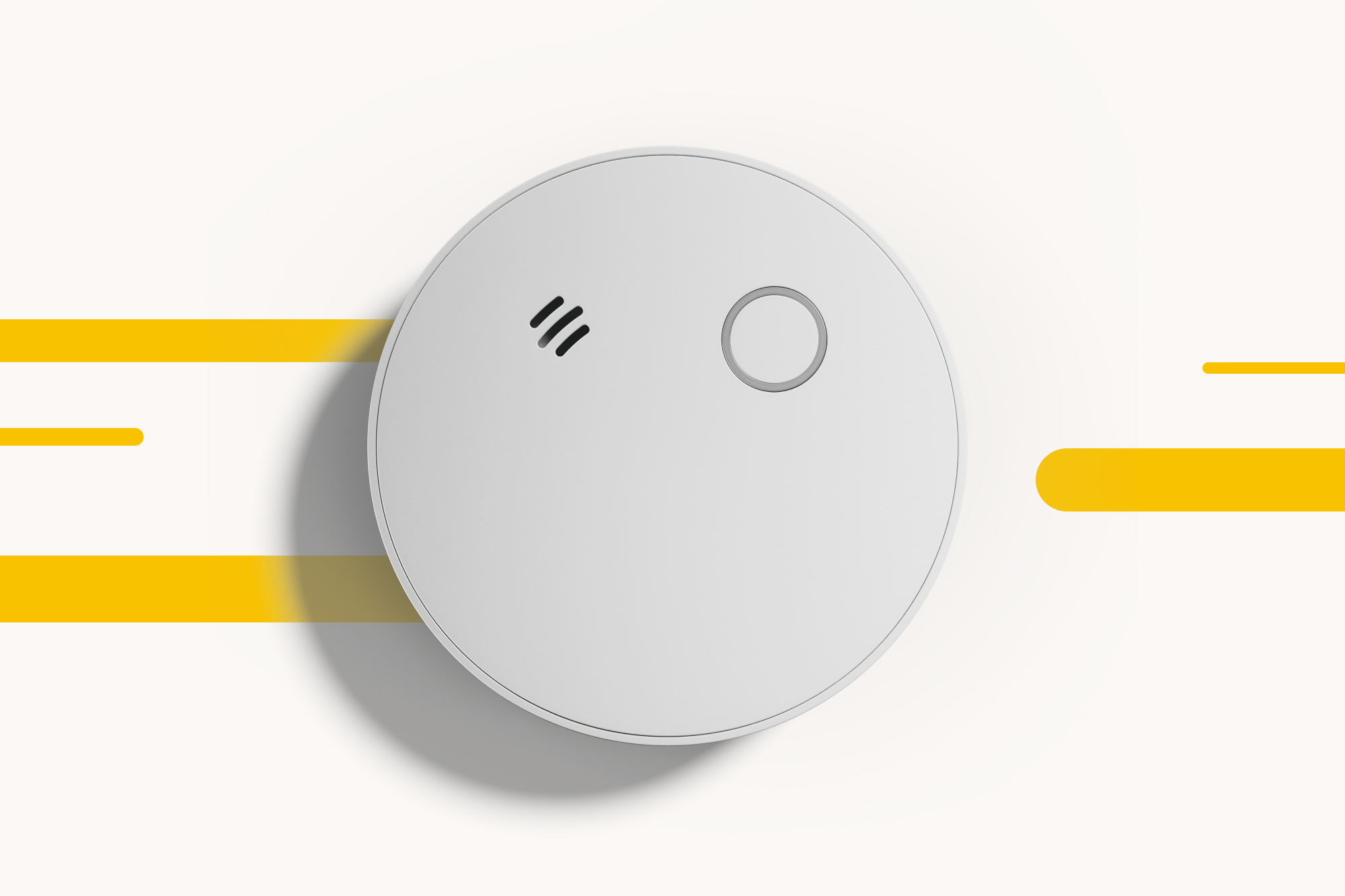
In a market where travelers can compare thousands of listings in a few taps, guest experience is now the core promise that wins bookings and keeps calendars full.
The most successful property managers deliver stays that feel comfortable, safe, and seamless from first click to checkout. Influenced by hotels, smart homes, and instant services, today’s guests want hospitality that anticipates needs, removes friction, and protects their privacy.
In this article, we’ll explore the building blocks of a five-star guest experience.
What is guest experience in vacation rentals?
Guest experience is the quality of every interaction a traveler has with your property and brand, from booking to post-stay. In vacation rentals, the best guest experience blends emotional comfort (trust, clarity, privacy) with physical comfort (sleep, temperature, cleanliness, quiet) to create a stay that feels both easy and memorable.
Why guest experience is an important differentiator
The short-term rental category has matured. Guests who once tolerated quirks now expect dependable standards and thoughtful touches that echo top-tier hotels. Research confirms the stakes. Research from PhocusWire and Expedia Group shows that travelers in vacation rentals spend more and take longer trips than other segments, but their expectations have risen with the category’s mainstreaming. And in an era of instant social proof, poor experiences travel faster than ever.
What defines a great guest experience in vacation rentals
Emotional comfort vs physical comfort
Emotional comfort is the feeling of being safe and respected. It’s built on trust, transparency, and clear boundaries. Physical comfort is the quality of the environment, such as temperature, humidity, noise, cleanliness, lighting, bedding, and air quality. The two are inseparable. A guest who trusts your policies but sleeps poorly because the room is hot or loud won’t leave delighted. Likewise, a flawless bed in a home that feels intrusive will produce the same lukewarm result.
Design both in tandem and you’ll see short-term rental guest satisfaction rise across your portfolio.
Feeling safe, respected, and informed
People relax when they know the rules of the home, why those rules exist, and how their privacy is protected. Start with clear house rules and transparent policies about quiet hours and visitor limits. Be equally explicit about privacy. Growing sensitivity around cameras means interior surveillance can irreparably harm trust. Favor privacy-safe technology, disclose it simply, and frame it as protection of everyone’s peace, not as scrutiny of individuals.
Clear expectations before arrival
Providing guests with important information early can go a long way to removing friction and stress. Send access instructions, parking guidance, check-in windows, and WiFi details several days in advance, and keep a physical resource inside the property with the same details.
Predictability and smooth stay flow
When a home is intuitive to use, guests notice. Think about having clear signage for thermostats, recycling, and entertainment systems. A checkout checklist respects time and minimizes last-minute frustrations.
Why small friction points damage guest experience quickly
Most guests don’t complain mid-stay about minor issues. Instead, they write about them in reviews. A slow response at midnight, an entry code that fails once, or a thermostat locked outside a comfortable range are all small instances that can subtract from the final rating. Communication matters: 69% of guests say communication with their host influences the likelihood of leaving a positive review, yet most guests receive one to two or no messages during their stay, according to Touch Stay data cited by Rent Responsibly.
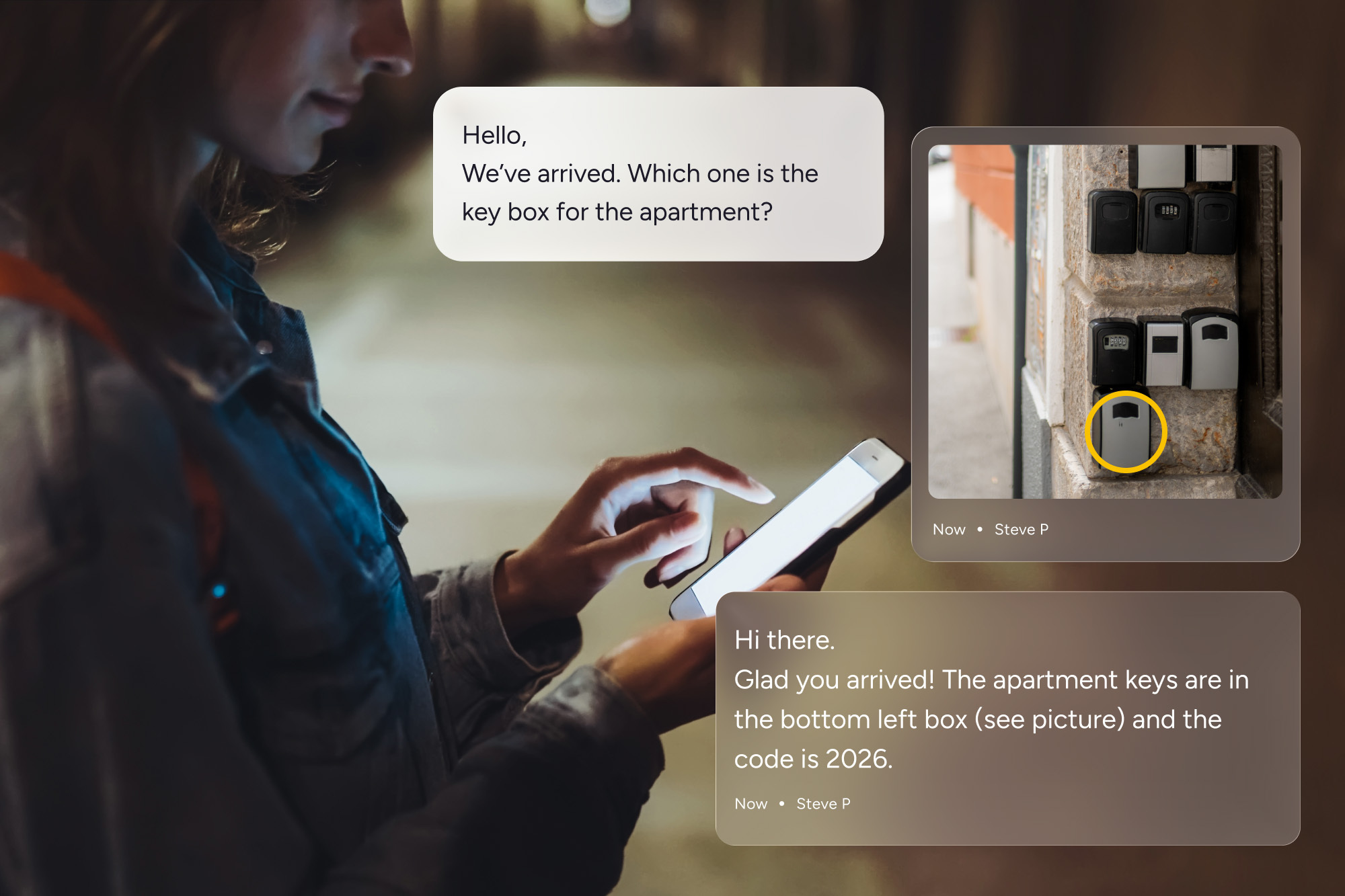
Minut Messaging answers your most frequently asked questions, instantly, offering you peace of mind that guests have the information they need as soon as they need it.
Minut Messaging
Indoor temperature and climate
Comfortable temperature is the baseline anyone remembers, because we feel it every minute. Target seasonal comfort ranges and let guests know how they can adjust settings to their preferences.
Privacy-safe monitoring gives you real-time awareness of indoor climate so you can correct issues before guests mention them. Minut’s indoor climate feature tracks temperature and humidity to keep conditions steady, while helping you detect patterns like doors left open or HVAC running without effect.
Humidity and air quality impact on comfort
High humidity raises mold risk and leaves a persistent “damp” feeling. Low humidity dries the air, irritating skin and sinuses. Both scenarios create subtle dissatisfaction that often surfaces later in guest reviews. The solution is proactive oversight and simple thresholds that alert your team to risks before they become visible.
Noise control
Noise is one of the most common causes of complaints, so it’s important that you keep it under control. If you’re waiting to receive a complaint, you’re leaving it too late — and risking tension with the local community.
The answer is privacy-safe noise monitoring, which works without using cameras or microphones. Minut’s noise monitoring tracks decibel levels only, never capturing audio and so never listening to personal information. When noise thresholds are exceeded, Minut can send you a real-time notification and message the guest with a friendly reminder.
Communication that improves guest experience
Before check-in
The guest journey begins at the listing and first message. Send a concise, step-by-step arrival guide a few days before check-in, including relevant access details, such as:
Smart lock codes, or where to find the physical key
Parking instructions, elevator or gate notes, and WiFi details
Set expectations for quiet hours, visitors, and safety in warm, guest-friendly language.
During the stay
Fast responses matter. A light-touch approach works best:
A warm “everything OK?” check-in after arrival
A proactive message during extreme weather with climate or power tips
Always-on emergency contact info pinned in the guidebook
Automated responses to guest messages
After checkout
A sincere thank you note and a gentle, timely review prompt while the stay is fresh in their mind. Invite private feedback first to catch any surprises before they become public. This is where you improve guest experience at scale: small refinements based on real comments can lift ratings.
Small hospitality touches that elevate guest experience
Welcome personalization
A handwritten note, a refrigerated bottle of water after a long drive, or a tiny local treat says “we were expecting you.” It’s a small gesture that shows you’ve been thinking about their comfort and wellbeing. These touches humanize your brand and make the stay feel like a home.
Local recommendations
Curate a short set of handpicked suggestions: two family-friendly restaurants, an off-the-beaten-path walk, a reliable taxi service, and the nearest grocery and pharmacy. Hotels have long sold an experience, not just a room. Bridging that gap will set your rental apart, a trend underlined by Hostaway’s analysis of experience-hungry guests.
Guest guidebooks
Your guidebook should be short, visual, and searchable. Explain house systems simply, share quiet hours, and provide WiFi troubleshooting and emergency contacts up front.
Thoughtful amenities
Extra blankets, universal chargers, a few coffee and tea pods, and clear instructions for tricky appliances can transform a first night. These modest upgrades change the mood of arrival and subtly increase short-term rental guest satisfaction.
Smart technology that enhances guest experience
Smart locks for seamless entry
Lost keys can cause stress and panic that could ruin a stay. Smart locks remove that risk, while also eliminating handovers. As additional peace of mind, you can create unique codes for each stay, removing the possibility of unwarranted entry later. As an extra benefit, smart locks can automatically lock your doors, protecting guests who may have forgotten to do it. For those with children, this is an especially valuable measure.
Indoor climate monitoring
Real-time insight into temperature and humidity helps you prevent discomfort and avoid mold conditions long before guests notice. Minut’s indoor climate monitoring makes it easy to keep conditions within a comfortable range, reduce energy waste, and uphold the standards your listings promise.
Noise insights without audio recording
Noise visibility is about early intervention, not eavesdropping. Minut’s noise monitoring measures decibel levels only, not audio or visuals. You can set custom thresholds for each property, and receive real-time notifications if that threshold is exceeded. Minut can also send automated guest messages on your behalf, politely informing the guest that they’re being a little too loud.
Guest experience checklist for hosts
Indoor temperature within seasonal comfort range
Humidity maintained at safe levels
Smart lock functioning properly
Emergency contacts clearly visible
Guidebook accessible (digital or printed)
Quiet hours communicated
Host reachable within minutes
First aid kit stocked
Clear exit routes
Privacy-respecting monitoring systems in place
Bringing it all together
A standout guest experience isn’t about dazzling guests at one touchpoint, but removing friction at every touchpoint. From accurate listings and intuitive smart locks to steady indoor climate and respectful noise visibility, the best operators deliver a home that feels safe, calm, and welcoming.
Communicate clearly, demonstrate that you take guest comfort seriously, and protect privacy by monitoring environments rather than people. That combination earns trust in the moment and advocacy in the reviews.
Guest experience FAQs
What affects guest satisfaction the most in vacation rentals?
Top factors include sleep quality, clarity of instructions, responsiveness, and a sense of privacy and safety. Maintain a steady indoor climate, minimize noise, and communicate simply. These elements consistently shape short-term rental guest satisfaction.
Does indoor temperature affect guest experience?
Absolutely. Temperature and humidity directly affect comfort, sleep quality, and perceived cleanliness. Giving guests control over the heating and air conditioning can drastically improve their comfort and happiness during their stay.
What technology improves guest experience without invading privacy?
Smart locks, environmental monitoring for indoor climate and noise, and digital guidebooks with clear instructions.
How can property managers standardize guest experience?
Build a consistent playbook: accurate listings, predictable check-in flows, uniform guidebooks, and integrated workflows that sync bookings and automate host communication.
What are the biggest mistakes that harm guest experience?
Confusing entry, slow responses, uncomfortable temperature, and visible surveillance inside the home. Solve the first three with better processes and privacy-safe tools, and avoid the fourth entirely by choosing monitoring over surveillance.






.png)
.jpg)