Carbon monoxide detector requirements for Airbnb hosts: what you need to know
Discover whether Airbnb requires carbon monoxide detectors, why hosts should install them regardless of minimum requirements, and how better safety practices help protect guests.
Carbon monoxide is a serious property-safety risk because it cannot be seen, smelled, or heard. When it builds up, guests may have no warning until they begin experiencing symptoms, which makes reliable detection an important part of responsible hosting.
Airbnb encourages hosts to install smoke and carbon monoxide alarms, but it doesn’t make them a universal requirement for every listing. Whether an alarm is legally required depends on the laws and safety regulations that apply to the property’s location.
Regardless of whether an alarm is legally required, hosts should assess the risks within their property, including fuel-burning appliances, heating systems, ventilation, and attached garages, and install suitable detection where appropriate.
Do Airbnb listings need a carbon monoxide detector?
Those requirements can vary according to factors such as the property’s appliances, heating system, whether or not there’s an attached garage, and intended use. Hosts should therefore check the rules that apply to their specific property rather than rely solely on Airbnb’s platform guidance.
Even when a carbon monoxide detector isn’t legally required, installing one can be a sensible safety standard. Properties with potential sources of carbon monoxide have a clear reason to install detectors. Airbnb’s guidance provides a useful starting point, but the host remains responsible for understanding and managing the risks within the property.
The takeaway for hosts is simple: meet the local legal bar, then build a safety plan that fits your property and operations.
Why some Airbnb properties face higher carbon monoxide risks
Carbon monoxide can be produced when fuels don’t burn completely, which means properties with combustion appliances or other potential sources require careful risk assessment. Here are the main risks to consider:
Fuel-burning appliances
Any furnace, boiler, gas stove, gas water heater, or fireplace can produce CO, especially if venting is compromised or burners are poorly tuned. Alongside a detector, include regular ventilation checks and keep records.
Attached garages and shared structures
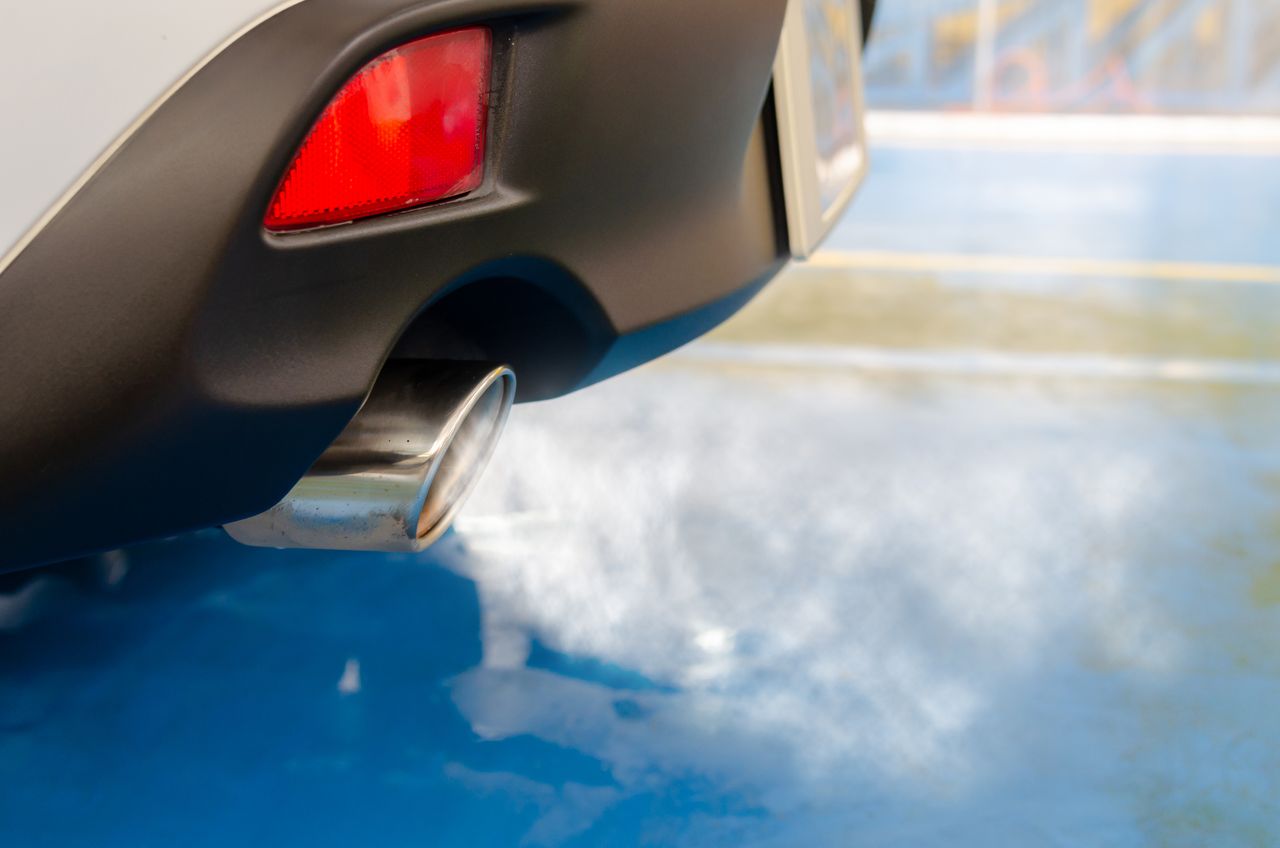
A vehicle running in an attached garage can allow carbon monoxide to enter connected living spaces, particularly where doors, seals, or ventilation pathways are compromised. In multi-unit buildings, poor seals, shared shafts, or weak ventilation can spread the exhaust into other rooms. If your unit shares walls or ducts, treat the neighbor’s fuel-burning equipment as part of your risk profile.
Older buildings and renovated properties
An old boiler can run safely with care, but aging heat exchangers and patched flues fail unpredictably. Renovations may also change airflow. Tight new windows, an upgraded bathroom fan, or a reconfigured attic can flip a safe appliance into a backdraft risk. After major work, make sure you re-check combustion safety and detector coverage.
Why waiting until regulations change isn’t a good safety plan
Although following applicable laws is non-negotiable, responsible hosts look beyond the laws when necessary. If you live in an area where it’s not legally required to have a carbon monoxide detector but there’s a possibility of a leak in your property, installing a CO detector is the right thing to do.
The absence of a legal requirement doesn’t mean the risk itself is absent. Rules can change over time as authorities learn more about safety risks, but hosts shouldn’t wait for regulation to catch up before taking sensible precautions.
Installing a carbon monoxide detector also makes sense financially. If a leak occurs and your guests experience CO poisoning, it triggers an emergency response, medical care, refunds, and potentially legal liability. Installing a detector and incorporating it into the property’s maintenance routine will generally be far less disruptive and costly than responding to a serious incident.
What every Airbnb host should do beyond the basics
A correctly installed and maintained detector provides an important warning if carbon monoxide is present, but it should be one part of a wider safety plan. Here are some other steps to take to reduce the likelihood of a leak occurring in the first place.
Inspect fuel-burning equipment regularly: Have a qualified tech service furnaces, boilers, water heaters, and fireplaces on a defined schedule, then keep a record of those visits. Fix any issues quickly.
Test safety devices before every stay: If you manage turnovers, add “press-to-test” checks for smoke and CO alarms to the checklist. Replace expired units and weak batteries.
Prepare guests for emergencies: Include a concise safety sheet in the house manual and digital guidebook. It should list the property address, the appropriate emergency number, what to do if an alarm sounds, and how to evacuate.
Real scenarios and how detectors change the outcome
The attached-garage incident: A guest starts a vehicle in an attached garage, allowing carbon monoxide to enter the connected living space. A correctly installed alarm alerts the occupants early, giving them the opportunity to leave and contact emergency services before exposure becomes more serious.
The winter furnace swap: an HVAC contractor replaces a failed inducer motor and forgets to reseal a flue joint. If a correctly installed detector alerts occupants to rising CO, guests have an important warning to leave the property and contact emergency services rather than remain exposed.
Airbnb carbon monoxide safety checklist
Review the carbon monoxide detector requirements for the property’s city, state, or jurisdiction.
Install compliant alarms in the locations required by local rules and the manufacturer’s instructions.
Confirm that alarms are within their service life.
Test alarms according to the manufacturer’s instructions and before every guest arrival.
Replace expired units or weak batteries.
Check that alarms are not blocked, damaged, or covered.
Schedule regular inspections of furnaces, boilers, water heaters, fireplaces, ventilation, and exhaust systems.
Include detector checks in every turnover inspection.
Provide clear emergency information and evacuation steps for guests.
Keep manufacturer instructions available for staff and co-hosts.
Record the date and result of each test and document appliance maintenance.
Final thoughts
Platform guidance is a starting point, not a complete safety strategy. Responsible hosts assess the risks within their property, install suitable carbon monoxide detection, maintain fuel-burning equipment, test alarms regularly, and document their checks.
These steps help hosts prepare for risks before they become emergencies and create safer, more professionally managed stays. The objective is not simply to meet the minimum requirement; it is to make reliable guest safety part of every turnover and every booking.
FAQs
Does Airbnb require carbon monoxide detectors?
Airbnb strongly encourages smoke and CO alarms and runs a free combo-detector program for eligible hosts, but legal requirements come from your local codes.
Are Airbnb hosts responsible for carbon monoxide safety?
Hosts are responsible for operating their property safely and following the laws that apply to it. They may still face legal, insurance, or reputational consequences after a carbon monoxide incident, even where a detector was not specifically required. The outcome depends on the facts and the law governing the property, so hosts should obtain jurisdiction-specific advice where necessary.
Are smoke alarms enough to protect Airbnb guests?
No, smoke alarms detect smoke. Carbon monoxide alarms detect CO gas, which is invisible and odorless. A smoke alarm is not designed to detect carbon monoxide. Without a working CO alarm, there may be no dedicated warning of a carbon monoxide leak.
Why should hosts install carbon monoxide detectors even if they aren’t required?
Risk comes from your property’s systems, not the law. Early detection protects guests and your operations.
How often should Airbnb hosts test carbon monoxide detectors?
Airbnb hosts should test alarms according to the manufacturer’s instructions and include a test before every guest arrival in their turnover routine. Many safety authorities also recommend monthly testing; for example, the CPSC recommends testing CO alarms monthly.







.jpeg)