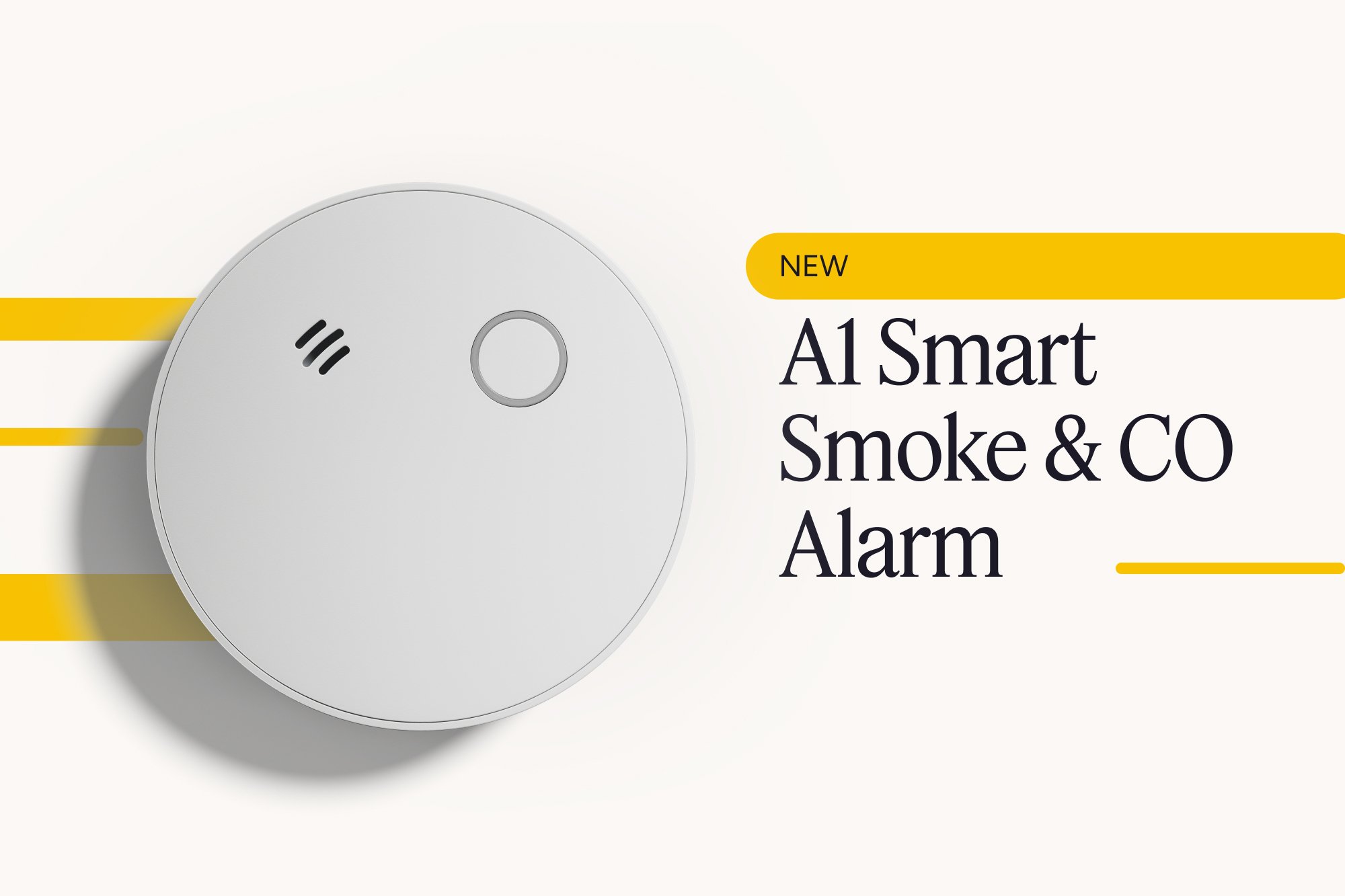
How aparthotel management can reduce room downtime and protect revenue
Learn how aparthotel management teams can reduce room downtime, improve turnover efficiency, and protect revenue through proactive operations and guest-ready best practices.
A checkout should be routine. Then your housekeeper opens the door. The room smells of smoke, the detector cover is off, and there’s a damp patch under the sink. Your afternoon guest arrival is now on hold while housekeeping scrambles for an ozone treatment, maintenance hunts for parts, and the front desk reshuffles arrivals.
One preventable incident, caught too late, just created a domino effect across housekeeping, maintenance, and reservations. And every hour it drags on costs occupancy, revenue, and guest satisfaction.
This is the operational reality behind aparthotel management. A guest-ready room needs to not only be clean but also inspected to ensure it’s safe and available. This guide covers what typically causes room downtime and how proactive monitoring can help teams catch problems earlier, keeping every unit guest-ready and protecting your revenue.
Aparthotel management: how to reduce room downtime fast
The fastest path to lower downtime in aparthotel management is to shift from discovery-at-clean to early detection and standardized recovery. Operators who pair clear turnover checklists with proactive monitoring for smoke, noise, and leaks return units to “guest‑ready” faster and protect occupancy without adding staff.
Every hour of room downtime has a revenue impact
Downtime isn’t just an ops headache. It’s a revenue problem that shows up in occupancy, RevPAR, guest arrivals, and staff efficiency. When a unit sits out of service for two or three extra hours, you’re not only missing the next booking window but also adding friction to every team involved in the stay.
Empty rooms don’t generate revenue
When a room isn’t released on time, you lose:
Booking windows that guests would have taken if inventory were visible
On-time check-ins that drive review scores and repeat business
Even a conservative example tells the story. If your ADR is $165 and 40 units lose an average of one hour per day to preventable delays, that’s the equivalent of more than six room nights of revenue gone before you’ve sold a thing.
Delays create a ripple effect across operations
Pushing housekeeping by one hour means the whole day bunches up. Supervisors can’t close inspections, maintenance gets called into urgent work instead of scheduled PMs, and the front desk is left mediating updates with guests in the lobby. Every late release reduces your margin for surprises later in the shift.
Small delays add up across an entire portfolio
In multi‑property aparthotel operations, delays of five or 10 minutes per unit means real unit loss. Over a quarter, those slivers of time equal lower occupancy and higher labor cost per turnover combined with a noisier guest inbox. The fix is visibility and earlier decisions.
What keeps aparthotel units from being guest‑ready?
Most delays are preventable. They start as small incidents and become operational problems because teams find them too late.
Smoking incidents require more than standard cleaning
Cigarette or marijuana smoke can require deep cleaning, ozone or hydroxyl treatments, and replacement of soft furnishings like bedding and cushions. Recovery often takes a full day. But if you discover it the night before, you can triage, treat, and turn the unit on schedule.
Noise complaints can extend operational workloads
Noise isn’t just a guest experience issue. It generates investigations, after‑hours calls, comped stays, and time spent coordinating with security or on‑call managers. Preventing an after‑midnight complaint is cheaper than apologizing for it at 8 a.m.
Maintenance issues discovered after checkout
Issues like slow leaks under sinks, HVAC short cycling, and loose fixtures are easy to miss when a unit is occupied. If they’re found during the clean, they trigger unscheduled work, a scramble to get new parts, and — too often — room holds. But if they’re found earlier, they can often be fixed between stays without causing disruption to your schedule.
Delayed discovery is often the biggest problem
When your first signal comes from housekeeping or, worse, from an arriving guest, you’ve already lost the most valuable hours. Early awareness is what converts a problem into a task that fits inside today’s turnover.
Traditional workflows wait for someone to notice a problem. That leads to longer turnarounds and cross‑department churn.
Information reaches teams too late
Manual inspections and end‑of‑shift notes keep your best people blind during the hours when action matters most. Without real‑time signals, operations leaders can’t prioritize, and teams learn about issues only when they’re already behind.
Emergency responses disrupt planned workflows
When one unit becomes an emergency, the schedule for the next 10 gets pushed back:
Housekeepers are knocked off schedule
Maintenance cancels preventive tasks to chase a leak
The front desk adjusts assignments and communicates new check-in times.
Planned work loses to crisis work.
Teams spend more time recovering than preventing
Every minute of recovery is a minute you don’t spend tightening standards, training, or doing preventive maintenance. Over time, that can lead to more incidents and more downtime.
High‑performing aparthotels focus on operational readiness
The strongest operators treat guest‑readiness as a daily goal, not a last‑minute scramble. That means:
Standardize turnover procedures: Inspections become more efficient with consistent checklists, clear pass/fail criteria, and photo verification. Standardized turnover makes performance predictable across sites and vendors.
Improve communication between teams: Providing a single source of truth for housekeeping, maintenance, the front desk, and operations will improve cross-team visibility and simplify remote oversight. Cloud PMS tools eliminate the IT burden associated with continuous updates.
Prioritize prevention instead of recovery: Make early detection part of your SOP. The goal isn’t to add gadgets, but to move discovery forward so decisions happen while you still have options.
Building a guest‑ready operation
Guest‑ready isn’t just “clean.” It’s the combination of visibility, fast communication, consistent workflows, and real‑time operational awareness.
Visibility creates faster responses
When you can see noise levels, smoking events, or abnormal humidity in real time, you can act before the issue becomes a room hold. That saves hours at scale and keeps your arrival board green.
Better coordination improves turnover
When your PMS, messaging, and monitoring tools talk to each other, the right team gets the right alert. That’s how rooms get released earlier and stays start on time. Cloud PMS ecosystems are designed for this kind of integration and automated tasking.
Guest readiness should be measured continuously
Track release times, re‑cleans, smoke incident recovery hours, and leak‑related room holds. Treat these like revenue levers, because they are. Operators who measure readiness can fix bottlenecks quickly.
How proactive monitoring helps keep every unit guest‑ready
Proactive monitoring supports the way high‑performing aparthotel operations already want to run: fewer surprises, faster decisions, and consistent standards across every unit.
Detect smoking incidents earlier
Smoke detected at 11 p.m. is a same‑day save. Housekeeping can plan a treatment first thing, maintenance can check detectors, and the unit returns to service on schedule. When you catch it at 1 p.m. on the day of checkout, you may have to cancel the next booking. The value here is early notice and a timestamped record you can share with your PMS notes or claims file.
Respond to noise issues before they escalate
Rather than being a deliberate nuisance, most noisy guests simply don’t realize how loud they are. A polite alert can end the problem in minutes and stop the complaint that leads to refunds and overtime calls. Operators using Minut have reported strong first‑message resolution rates — for example, Bob W resolved 83% of noise issues after a single text and Kasa resolved 88% without escalation.
Identify water leaks before they become major repairs
Humidity changes and sustained temperature changes often precede visible damage. With early alerts, your team can tighten a fitting today instead of replacing drywall next month. That saves labor, parts, and the booking.
Improve operational visibility across every unit
Portfolio‑level dashboards give ops leaders a live view across buildings and cities. This is where cloud and IoT meet aparthotel operations.
How Minut helps aparthotels reduce downtime and protect revenue
Minut supports the operational best practices above by giving teams earlier signals and clean handoffs, without adding headcount.
Real‑time alerts across every unit
Minut sends real-time, timestamped alerts for sustained noise, guest smoking, environmental anomalies, and device tampering. That earlier awareness compresses recovery time and keeps more units guest ready.
Privacy‑first property monitoring
Minut monitors the environment, not the guest. The M3 sensor measures decibel levels, detects indicators of smoking, and tracks temperature and humidity. It doesn’t record audio and it doesn’t use cameras. That privacy stance is why brands running aparthotels and serviced apartments adopt it to protect comfort and compliance without surveillance anxiety.
Better coordination for housekeeping and maintenance
Pair Minut with your PMS and your guest messaging so the right team gets the right task at the right time. Minut’s integration approach is designed to fit into cloud‑based stacks that operators already trust.
Helping operators maximize occupancy and revenue
Early detection + standardized playbooks = faster room release. That translates into higher occupancy, fewer refunds, and less overtime. As hotel tech moves toward cloud ecosystems and automation, Minut gives aparthotel teams the real‑time signals those systems need to make better decisions.
Guest‑ready checklist for aparthotel operators
Standardize turnover procedures with checklists and photo verification.
Inspect high‑risk areas (kitchens, bathrooms, detectors) before each check‑in.
Improve communication between departments with a shared, cloud‑based task log.
Track recurring operational issues by unit and by building.
Review downtime trends monthly and set targets for release times.
Prioritize preventive maintenance during low‑occupancy windows.
Establish faster response workflows for smoke, noise, and leak alerts.
Use proactive monitoring to surface issues before they delay room turnover.
Conclusion
Room downtime is often the result of when you discover problems, not just what the problems are. Smoking, noise, and slow leaks become revenue issues when they’re found during the turnover clean rather than at the moment they start.
High‑performing aparthotel management fixes this with earlier awareness, standardized workflows, and tight cross‑team coordination. Add proactive, privacy‑first monitoring, and you keep more units guest‑ready, improve the guest experience, and protect revenue — all without growing your team..
Aparthotel management FAQs
What is aparthotel management?
Aparthotel management is the set of operations required to run furnished apartments with hotel‑style services at scale, such as bookings, housekeeping, maintenance, guest communications, and compliance. It blends hotel discipline with the flexibility guests expect in serviced apartments.
How can aparthotels reduce room downtime?
Move discovery earlier and standardize your routine. Pair turnover checklists with proactive monitoring for smoke, noise, and leaks, and route alerts straight into housekeeping and maintenance so recovery happens before the next arrival.
What causes delays between guest stays?
Late discovery of smoking, unresolved noise incidents, maintenance found at clean, and slow cross‑team handoffs. Each one is preventable when you have earlier signals and a clear response path.
What are the best practices for aparthotel management?
Standardize turnovers, centralize communication in a cloud PMS, prioritize prevention, and measure guest‑readiness continuously. Industry research points to cloud systems and integrated tools as the backbone for multi‑property control.
How can proactive monitoring improve aparthotel operations?
Proactive monitoring makes your workflow earlier and cleaner. Real‑time alerts for smoke, noise, and environmental changes help teams act before issues become room holds, and the record of events supports claims and compliance.






.png)