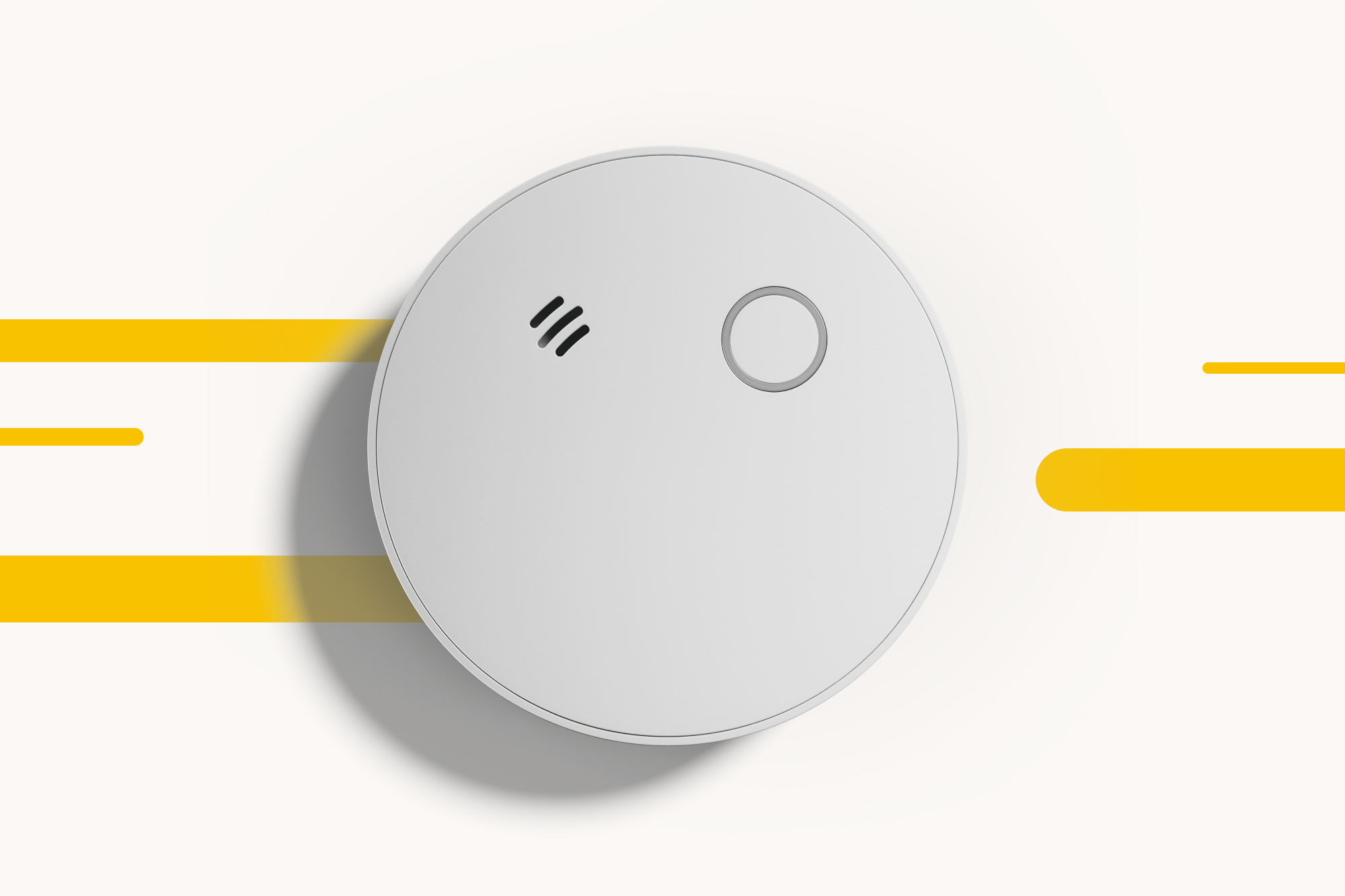
From hybrid staffing to compliance rules, these 18 tips help aparthotel property managers streamline operations and deliver hotel-level guest experiences.
Aparthotels blend the structure of apartments with the service expectations of hotels. That combination creates operational complexity. As an aparthotel property manager, it’s up to you to deliver a level of hospitality that meets guest expectations while managing a physical asset like a real estate investor.
The market for this hybrid model is expanding rapidly. In the UK and broader Europe, serviced apartment and aparthotel performance has outpaced traditional hotels. A Savills study reported that between 2021 and 2023, average revenue per available room in the UK extended‑stay sector was 27.5% higher than for hotels. It reflects the growing demand for longer stays paired with hotel‑style service.
This guide offers 18 practical tips designed for aparthotel property managers in 2025. We’ll share advice grounded in real‑world operations, from staffing and tech to compliance and guest experience. Our goal is to help you streamline tasks, stay compliant, and deliver exceptional stays at scale.
Operations and staffing
1. Embrace hybrid staffing models
You do not need a full on-site team to keep things running smoothly. Many aparthotels now use a mix of local contractors and remote staff to stay flexible and reduce fixed costs.
Local teams handle turnovers, light maintenance, or guest issues. Remote teams manage messaging, escalation, and oversight across multiple properties. This model helps you cover more ground with fewer people, and it scales without adding overhead.
2. Use smart access systems
Digital locks eliminate one of the most common points of friction in short-stay operations. No need to waste with hand-off keys, rekey locks, or sending staff to let someone in.
Smart locks let you issue time-based access codes, track entries, and revoke access instantly. It is better for security and saves hours each week for staff and guests alike. Minut integrates with over a dozen smart locks, offering frictionless check-in.
3. Automate guest messaging
In 2025, messaging guests is the norm, but that doesn’t mean you shouldhave to manually send the same messages to every single time.
4. Offer hotel-style amenities where it makes sense
You do not need to replicate a full-service hotel, but you should meet baseline guest expectations. That means clean towels, stocked toiletries, reliable Wi-Fi, and a frictionless check-in process. These are not luxuries. They are the things that drive reviews and reduce the number of guest messages your team has to deal with.
5. Standardize turnover checklists
Even good cleaners miss details when they are rushing or working across different units. A standardized turnover checklist helps avoid that.
Use digital templates, photo checklists, or in-app guides to keep everyone aligned. This leads to better reviews, faster onboarding for new team members, and fewer quality control issues over time.
6. Outsource to specialist vendors
It’s not necessary to build every part of your operation in-house. Laundry, deep cleaning, maintenance, and security can all be handled by trusted partners who do this work every day. Choose vendors who understand the speed and standards required for short-stay operations, and focus your internal team on oversight rather than execution.
Legal, zoning and compliance
7. Know your local zoning laws
Local zoning rules for aparthotels vary widely. Some cities treat short-term rentals and serviced apartments differently, or prohibit them in residential zones altogether. In the UK, the emerging “Use Class C5” policy would require planning permission to convert a residential property into an STR operation. Before launching new units or entering a new market, confirm whether your operation needs planning approval or if it’s permissible under existing use rules.
8. Stay current on licensing requirements
Aparthotels often need multiple licenses: short-term rental permits, business registrations, and possibly tourism certificates. In Scotland, Edinburgh has passed rules requiring STR providers to register and collect a visitor levy of 5% plus VAT starting July 2026. Make sure you set up a tracking system for renewal deadlines and policy updates so you don’t fall behind.
9. Implement guest ID verification
Jurisdictions are increasingly requiring identity checks for short stays under 30 nights. Even if not mandatory, verifying guest IDs helps reduce fraud, prevents disputes, and may be required by platforms or local regulations. Many PMS platforms and third-party tools support secure ID capture.
10. Understand hospitality versus residential taxes
Aparthotels can fall under different tax treatment depending on occupancy rules and classification. HMRC treats holiday accommodation as trading income, not property income, which may affect VAT and capital allowance eligibility.
When rules are communicated clearly and visibly, enforcement becomes easier. Post occupancy limits and property policies, both online and inside units.
To help you instate these rules, a monitoring tool such as Minut can help detect over-occupancy or policy violations (parties, smoking) while respecting guest privacy. That data will then support incident resolution or fine disputes without ambiguity.
Guest experience and brand reputation
12. Maintain hotel-level cleanliness standards
Cleanliness is one of the most common reasons guests leave negative reviews. It is also one of the easiest areas to standardize.
Use structured turnover checklists, photo verification, and regular quality control checks to make sure units are consistently guest-ready. If you work with third-party vendors, train them on your exact expectations, not just general standards. Clean and well-prepared spaces improve ratings and reduce post-checkout support issues.
13. Use sensors for noise and occupancy monitoring
Aparthotels often operate in buildings where guest behavior directly affects long-term residents and building partners. Noise and overcrowding are the top sources of complaints.
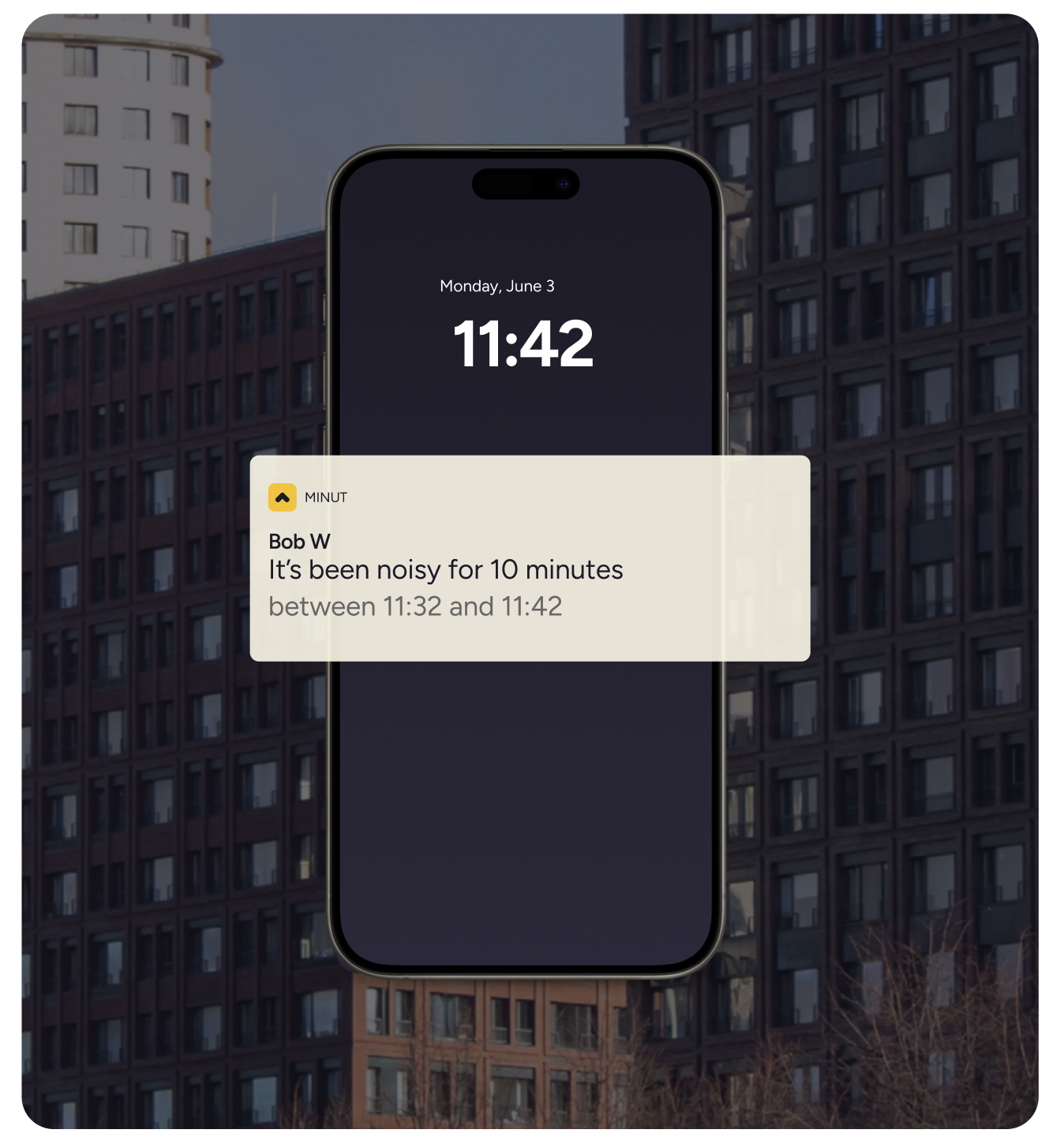
Minut in action: Solving 83% of noise events with one message
Bob W was looking for a solution to help minimize noise disturbances and maintain its reputation as a leading European aparthotel operator. The operator installed Minut for its privacy-safe noise and occupancy monitoring, and built customized decibel thresholds and messaging, so guests received a friendly automated message asking them to turn the volume down when the limits had been exceeded for a set period.
Bob W estimated it received 100 noise event notifications within the first few months of using Minut, and now 83% of loud noise alerts are solved after just one friendly text message.
Paper welcome packets are easy to lose and hard to update. A digital guidebook lets you provide check-in instructions, Wi-Fi details, appliance guides, local recommendations, and emergency contacts in one link.
Tools like Hostfully and Guesty allow you to build branded experiences that are easy to update and send out automatically. It reduces repetitive questions and helps guests feel more at home.
15. Respond to reviews every time
Whether a guest leaves five stars or two, your response matters. It shows that your team is present, listening, and invested in improving the experience.
For negative reviews, keep it professional, fact-based, and calm. A clear and respectful response can often restore trust and show future guests that you take feedback seriously. If a review mentions a resolved issue, use it as a chance to highlight your team’s quick action.
Growth and strategic thinking
16. Segment guests by purpose of travel
Not all guests want the same thing from a stay. A business traveler checking in on a Tuesday is likely looking for fast WiFi, clear check-in, and minimal disruption. A family arriving for the weekend might want local tips, kid-friendly amenities, or flexible checkout.
Use booking data, timing, and messaging to tailor your communication and setup accordingly. Even simple segmentation helps reduce friction and boosts reviews.
17. Use dynamic pricing to stay competitive
Rates that worked last year may not reflect this year’s demand. Use pricing tools that adjust based on local events, occupancy trends, and competitor behavior. Even a small percentage increase in average daily rate can have a meaningful impact on revenue over the course of a year. Smart pricing is no longer a luxury, it is essential to keeping your occupancy high and your margins healthy.
18. Standardize operations, but keep local character
Guests want consistency, but they also want to feel like they are staying somewhere real. Create a branded baseline across your units (same linens, same check-in flow, same messaging standards) but leave room for local touches.
A well-curated welcome note, a regional coffee brand, or a nod to the neighborhood can go a long way toward making the experience feel intentional rather than templated.
Ready to sharpen your aparthotel operations?
Whether you manage ten units or ten thousand, these tips are designed to help you run a tighter, more efficient operation in 2025. And the right solutions make that easier.








.jpg)