Barcelona short-term rental laws: HUT licences, PEUAT rules, and compliance explained
This guide explains Barcelona’s strict STR rules, including HUT authorisation, NIRTC registration, PEUAT zoning, operating obligations, and the city’s planned 2028 licence phase-out.
Barcelona is among Europe’s most tightly regulated short-term rental markets. Rather than a simple short-term rental permit, tourist-use flats are governed by city planning rules and Catalan regional law.
Barcelona drew attention when it announced a policy direction to phase out existing authorizations around 2028, signalling an intent to remove tourist-use flats from the residential stock. For operators, that means licence scarcity today and a clear policy risk horizon ahead.
In this guide to Barcelona’s short-term rental laws, we’ll examine the legality of operating STRs in Barcelona, what’s on the horizon for 2028, and a practical summary for operators.
Are short-term rentals legal in Barcelona? A quick answer
Yes, short-term rentals are legal in Barcelona, but only if a property holds the correct tourist-use authorization and is registered with a NIRTC number in the Catalan tourism registry. Legality depends on planning eligibility under PEUAT (Special Urban Plan for Tourist Accommodation) and regional compliance. The city has announced a policy direction not to renew existing HUT authorizations around 2028, so operators should treat that year as a conservative planning horizon.
Why Barcelona is one of Europe’s most restrictive STR markets
Barcelona regulates tourist-use housing through two layers:
A municipal planning instrument that decides where tourist accommodation can exist
Regional Catalan rules that govern how it must operate
In recent years, tourist-use flats have been framed as a pressure point in the local housing market, and city leaders have announced a plan to let tourist accommodation licences expire without renewal, which would phase out more than 10,000 tourist apartments by November 2028. While the long-term outcome could still be shaped by legal or political developments, the current policy direction is clear: constraints today and a potential phase-out tomorrow.
What counts as a short-term rental in Barcelona?
In Catalonia, tourist-use housing is a specific legal category known as habitatges d’ús turístic (HUT). The critical distinction for operators is that legality is about authorization plus registration, not how a stay is marketed or whether it appears on a booking platform. Every legal unit must be registered in the Registry of Tourism of Catalonia and display its official number (NIRTC).
The legal framework: city planning plus Catalan law
Barcelona’s short-term rental system rests on a dual framework:
Municipal planning: The city’s Special Urban Plan for Tourist Accommodation (PEUAT) controls where tourist accommodation can exist, expand, or be reduced.
Catalan rules: Regional law defines the tourist-flat regime, registration, and operating duties.
PEUAT: what it is
PEUAT can be considered Barcelona’s spatial gatekeeper. It divides the city into zones, determining whether new tourist accommodation is possible, capped, or prohibited, and under what conditions. Some areas may have capacity that is frozen or in decline, while others allow very limited development if strict criteria is met.
In practice, PEUAT eligibility is foundational but only one of several gates. Even if you meet regional licensing and operating standards, you still need to comply with planning capacity, building rules, and any private-community restrictions. Where any of those conditions say “no,” operations can’t proceed.
Regional framework and the 2028 trajectory
Catalonia has established a framework for regulating tourist-use flats at the regional level, including tools for municipalities experiencing housing pressure. Barcelona interprets and implements this framework locally through its planning and authorization policies. As mentioned above, the city has publicly announced a policy direction to let existing tourist-use authorizations expire around 2028 without renewal, although the eventual outcome remains subject to potential legal or political change. For due diligence today, the prudent assumption is that 2028 represents a conservative planning horizon unless policy explicitly shifts.
HUT licences: scarcity today and a 2028 horizon
New authorizations are tightly restricted in Barcelona, and, depending on PEUAT zoning and capacity, may be unavailable in many areas. Where authorizations exist, their continued validity should be assessed against the city’s announced 2028 policy direction.
This has two immediate implications for operators:
Underwriting should treat 2028 as a conservative planning horizon unless and until policy or law changes.
Any acquisition predicated on short-term rental income requires a careful exit or conversion plan that factors in the city’s stated direction.
If you’re weighing an acquisition or mandate, verify authorization status and registration directly and document the licence’s timeline with care.
Zoning and location
PEUAT zoning determines whether tourist-use flats are allowed, where they can operate, and whether capacity can change. There are two practical truths worth underscoring:
First, don’t assume a property is eligible just because nearby units appear online. Some local inventory may be legacy, non-compliant, or operating under different planning conditions.
Second, don’t assume new licences are available in areas with visible STR activity. Planning capacity isn’t a “first come, first served” queue and isn't unlocked simply by local market demand.
Operating requirements for legal tourist flats
Where tourist-use flats are legal and authorized, operations are tightly defined:
Habitability and occupancy: A valid certificate of habitability (cèdula d’habitabilitat) underpins maximum occupancy and comfort standards.
Registration and transparency: Each unit must be registered and display its NIRTC on listings and at the property.
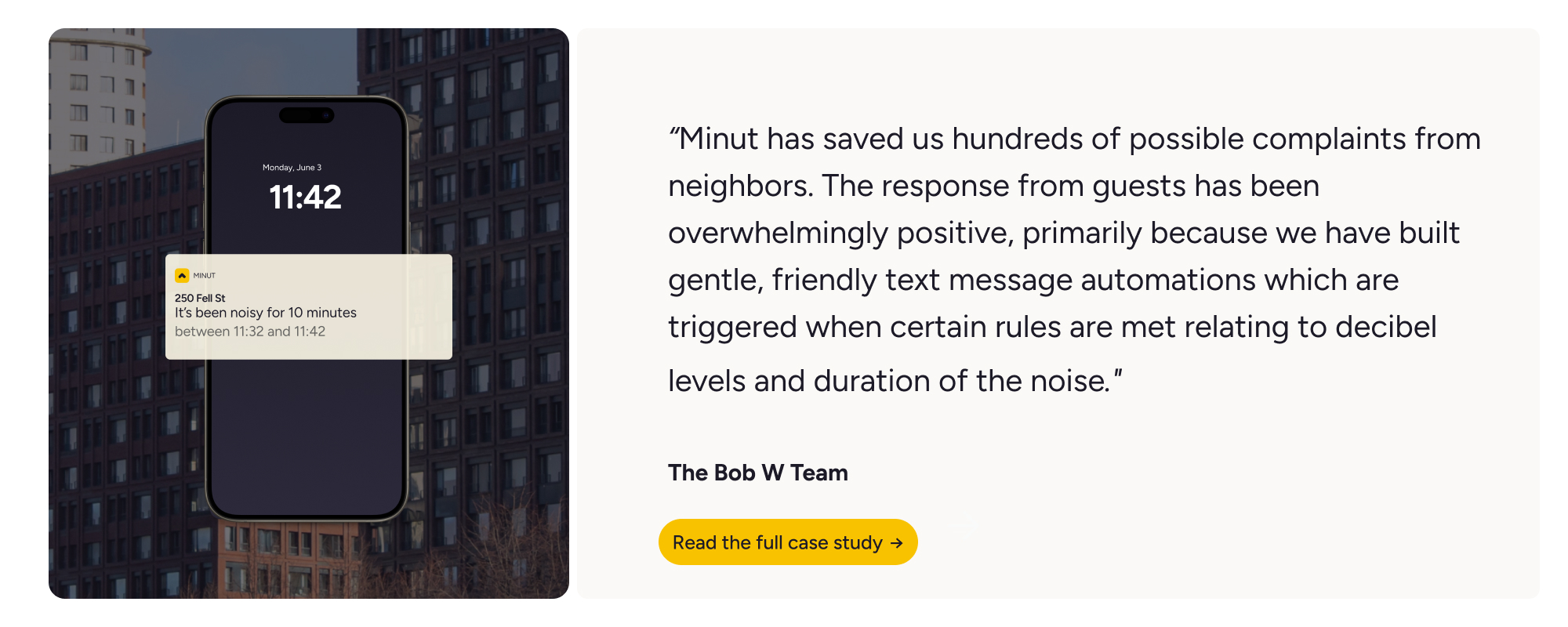
Reachable contact and neighbor management: Operators are generally required to provide a contact that is reachable for incidents and to resolve issues promptly. Many managers maintain a 24/7 line to meet expectations, including for noise disturbances or overcrowding.
Guest reporting: Operators must register guest data via the official police portal.
Taxes: what Barcelona operators must handle
Licensing and planning compliance are separate from taxes. In Catalonia, the Tax on Stays in Tourist Establishments (IEET) applies to tourist-use accommodation. Rates, exemptions, and filing schedules can change, so managers should confirm current rules directly with the Catalan Tax Agency and build processes that don’t rely on platform collection alone.
Beyond IEET, operators remain responsible for income reporting and, depending on services offered, business classification and potential indirect tax obligations.
Neighbor complaints, buildings, and private restrictions
Barcelona recognizes the building and the street as part of compliance. Managers are expected to be reachable and responsive, provide contact details to neighbors or building occupants, and resolve issues rapidly.
It’s also essential to check private restrictions. Community of Owners (HOA/condo) bylaws, lease clauses, or building rules can limit or prohibit tourist use even where a licence exists. If you manage multi-unit assets, align house rules and signage with building expectations and document your incident response playbooks.
Final thoughts
Barcelona’s short-term rental regulations are designed to govern not just how tourist flats operate, but whether they exist at all in the residential stock. The city’s planning framework is the primary gate, regional registration cements legality, and operations are judged on transparency and neighbour impact alongside building and private-community rules.
For managers, the playbook is to start with zoning, verify authorization and NIRTC, build inspection-ready processes, and price strategy around a 2028 policy risk horizon. In a licence-scarce, enforcement-heavy environment, responsible, privacy-safe operations are the strongest way to protect your portfolio and your reputation.
FAQs for hosts and property managers
Are short-term rentals legal in Barcelona?
Short-term rentals are legal in Barcelona only when a unit holds the correct tourist-use authorization and is registered with a NIRTC number. Legality depends on planning eligibility under PEUAT and regional registration, not simply on stay length or platform listing.
What is an HUT licence?
HUT refers to habitatges d’ús turístic, tourist-use housing under Catalan law. A legal unit must be authorized and registered, display its NIRTC, respect occupancy linked to its habitability certificate, and meet neighbourhood-management obligations.
Can I get a new tourist-flat licence in Barcelona?
Under the city’s current framework and PEUAT zoning, new tourist-flat licences are tightly restricted, with potential limited exceptions depending on location and planning capacity.
What happens to HUT licences in 2028?
The city has announced a policy direction to let existing authorizations expire around 2028 without renewal. Treat that year as a risk horizon unless and until official policy is revised.
Do building or community rules override licences?
Private restrictions, including Community of Owners bylaws, lease clauses, or building rules, can limit or prohibit tourist use even where a licence exists. Always review and document building-level permissions before onboarding.
Disclaimer
This article is provided for general information only and does not constitute legal, tax, or investment advice. Regulations change and may be interpreted differently by authorities. Always confirm current requirements with official city and regional sources and consult qualified counsel before making compliance or investment decisions.






.png)