
October 7, 2026

3
min read
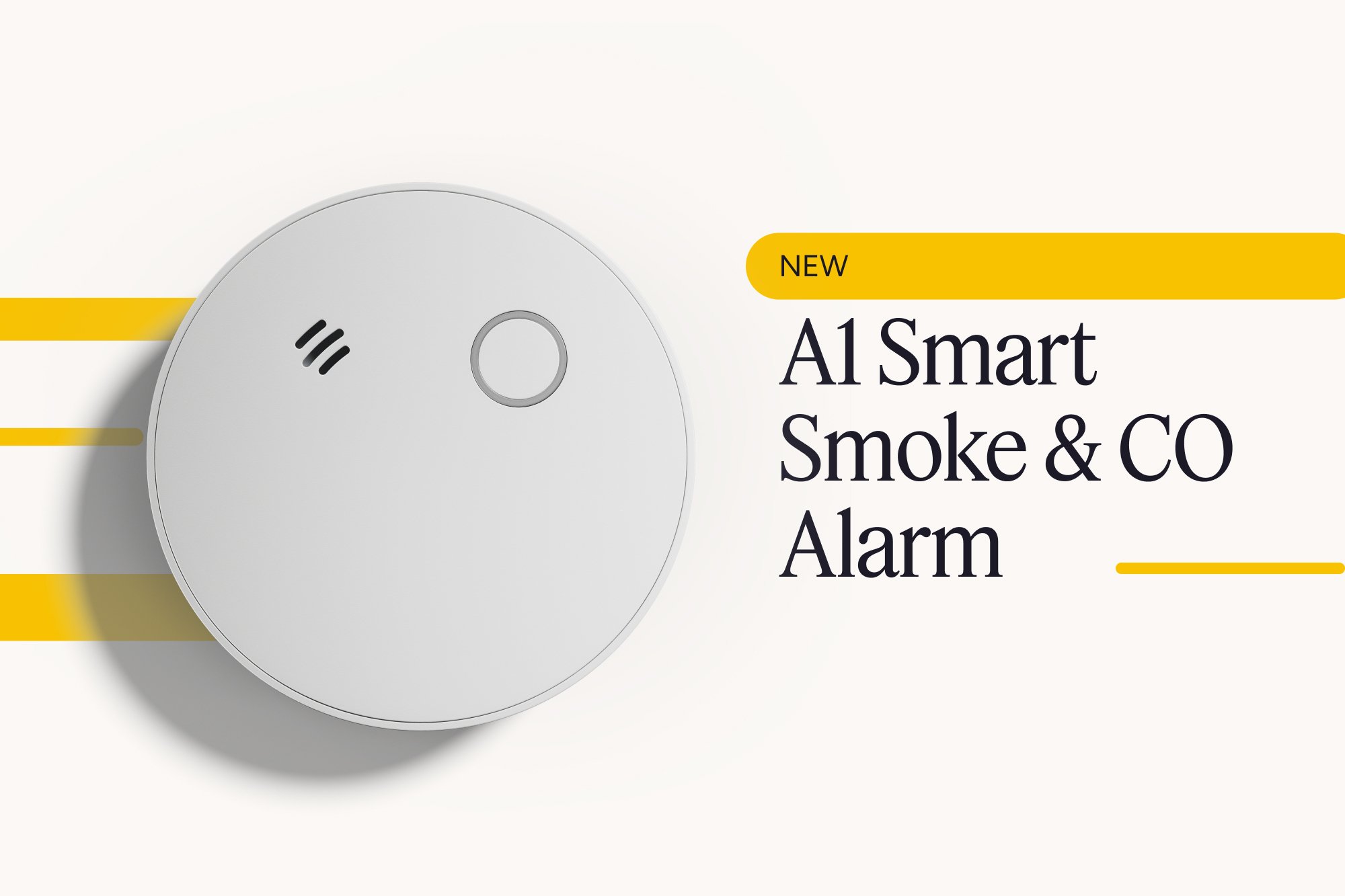
Minut launches a smoke and CO alarm designed for short-term rentals
Meet A1, with automatic self-testing between bookings, real-time tamper alerts and a compliance log.
By
Minut
in
Minut news
Read post




Your cleaner walks in and gets hit with the smell that tells them the last guest ignored your no‑smoking policy. You’ve got three hours until the next arrival, a couch that now smells like a bar, and a support inbox already pinging. That one incident means ozone rental, extra labor, maybe a comped night, and lost staff productivity because of the extra focus on one room.
Smoking violations are a cost center for Airbnb hosts and property managers. A purpose‑built Airbnb cigarette smoke detector isn’t just a sensor. It’s how you prevent damage in‑stay, back up violation cases with timestamps, and keep turnover tight.
This guide compares five Airbnb cigarette smoke detectors by features, setup, portfolio suitability, and overall value.
A fire alarm and an Airbnb smoking detector are different tools. Code‑compliant smoke alarms focus on life safety. They’re tuned to flaming or smoldering fires and larger smoke particles, not the lower‑level aerosols from a single cigarette.
That means a standard smoke alarm may not flag lower-level cigarette smoke in a way that helps hosts enforce a no-smoking policy. Specialized cigarette sensors, by contrast, are built to identify tobacco or marijuana smoke early and document events with timestamps.
That said, you still need both: fire alarms for safety and a cigarette smoke detector for Airbnb policy enforcement.
A guest smoking indoors doesn’t just mean an extra hour with the mop. It often means deep cleaning, ozone or hydroxyl treatments, laundering or replacing soft goods, and pulling the unit from inventory for a day. Odor can spread through the HVAC and linger in ducts, filters, and upholstery. That’s revenue lost between bookings and a higher chance of refund requests.
A no-smoking rule is part of the guest promise. Smoke odor makes a clean listing feel unreliable, especially for families, business travelers, long-stay guests, and anyone with sensitivities.
That’s why many major brands have gone 100% smoke‑free to protect guests and reduce risk. National estimates from the U.S. Fire Administration attributed 7,000 residential fires, 255 deaths, and $409 million in losses to smoking in 2023 – another reason why early smoking detection matters.
Catching a violation in the moment is the difference between airing out a room for 30 minutes and a deep clean. The right Airbnb cigarette smoke detector alerts you as soon as it suspects a cigarette has been lit, so you can send a friendly nudge, deter repeat behavior, and keep the schedule tight. Immediate alerts also create a timestamped record to include in Resolution Center submissions.
Hosts need monitoring without surveillance. The device should measure environmental signals, not record guests. No cameras. No audio recordings. That aligns with platform rules and preserves trust.
False positives waste time. False negatives cost money. Look for detectors trained to distinguish cigarette smoke from cooking or aerosols. Consistent alerting, clear event timelines, and calibration options matter when you’re managing multiple listings or a luxury inventory where misfires aren’t acceptable.
Smoking is one risk, but not the only one. Parties, overcrowding, and poor climate control are others. A detector that also covers noise, occupancy awareness, and indoor climate gives you a fuller picture of guest behavior and property protection in one feed. That single stream is easier to manage at scale and usually delivers better ROI than a single‑purpose cigarette smoke monitoring device.
You should be able to install in minutes, charge or wire as needed, and manage a portfolio from one dashboard. Look for features like team permissions, PMS integrations, and automation for messaging and escalation so your processes don’t depend on one person being online.
We compared each smoking detector for rental property operators using the criteria below. The goal was to identify devices that prevent Airbnb smoking violations during the stay, protect assets, support claims, and scale across portfolios.
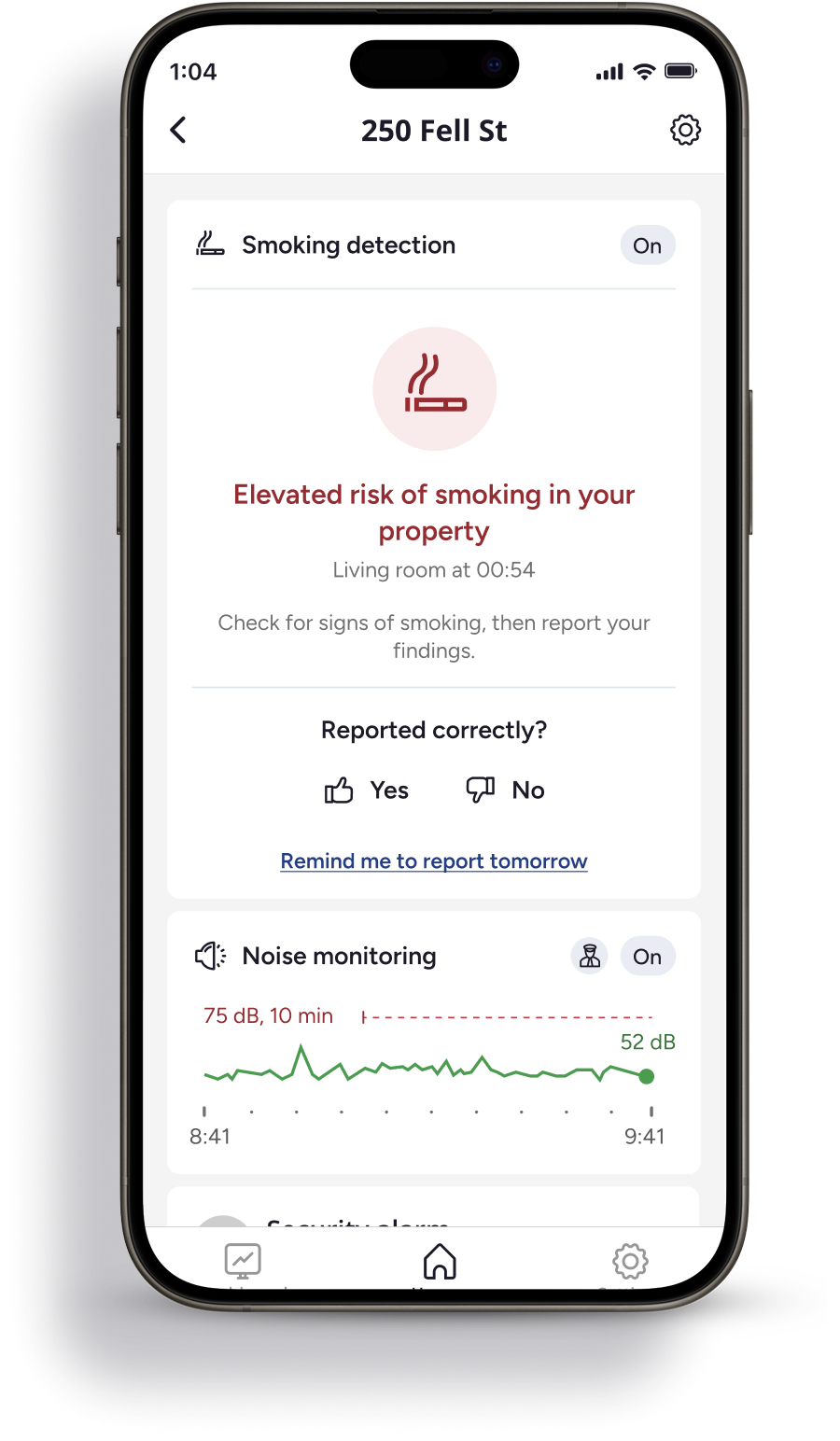
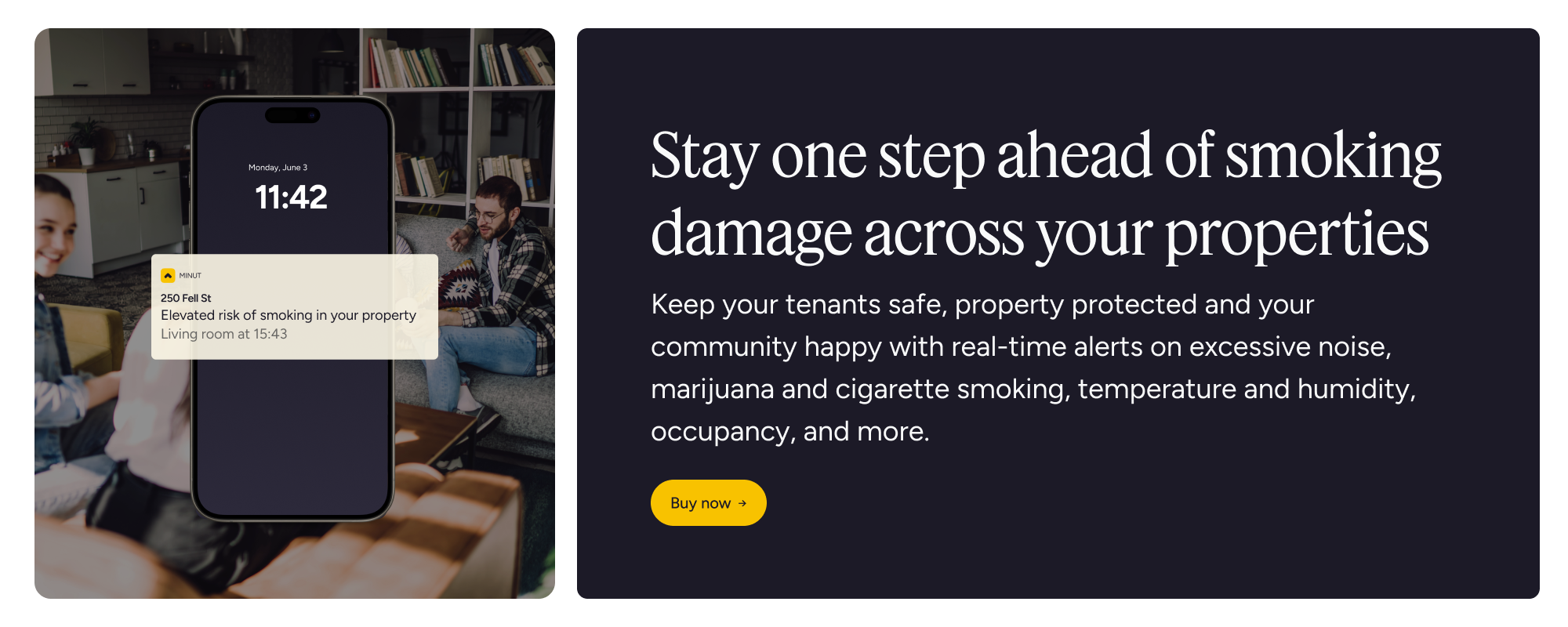
Minut is built for hospitality and short‑term rentals, including Airbnb hosts, vacation rental owners, and property managers who need in‑stay alerts and clear documentation without cameras or microphones. Minut pairs cigarette smoke detection with noise monitoring, occupancy awareness, and indoor climate monitoring in a single device, providing one dashboard to help prevent guest violations and protect your property.
Airbnb hosts, co‑hosts, vacation rental operators, property managers, and aparthotel teams who want one device to handle smoking, noise, occupancy, and climate at scale.
Minut isn’t only an Airbnb smoking detector. It’s an operations tool. It gives teams the visibility to address more issues before checkout, and its automated guest messaging helps to prevent issues before they become problematic. That means fewer last‑minute cleanups, better guest experience, and stronger records for claims.
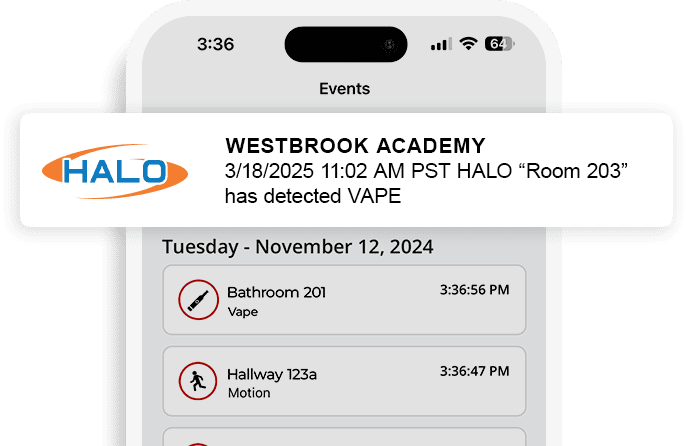
HALO’s multi‑sensor device is widely used in schools and facilities and has expanded into lodging use cases. It detects vape aerosols, THC, and cigarette smoke, and can alert on abnormal noise as well as a spoken keyword.
Operators prioritizing detection of vaping or THC, gunshots or aggression, and who can accommodate a more general‑purpose sensor and don’t need integrated STR features like automated guest communication.
HALO zeroes in on detecting aerosols, occupancy, and gunshots. Minut layers smoking detection with noise, occupancy awareness, indoor climate monitoring, and automated guest messaging.
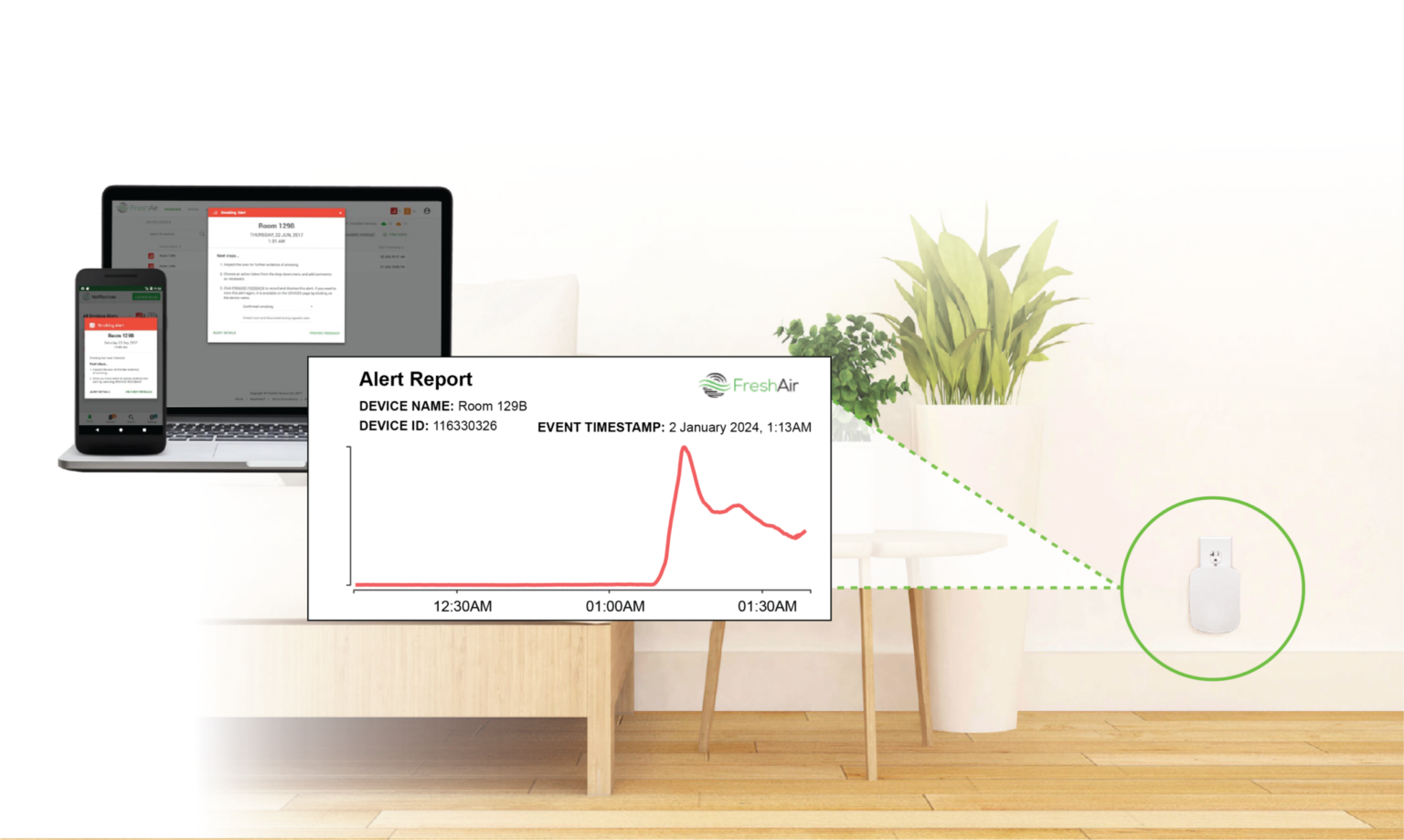
FreshAir focuses on detecting tobacco and marijuana smoke and provides tamper‑resistant hardware and incident reporting. It’s used in hotels and rentals to document violations with clear data points.
Hosts who want a dedicated smoking detector for rental property enforcement and documentation, and who plan to run separate tools for noise and occupancy.
FreshAir is strong on smoking documentation and has developed features related to this, including automating the cleaning process when smoking has been detected, and upselling rooms that have guarantees of being odor and irritant free for at least 60 days. Minut covers smoking plus noise, occupancy, and indoor climate in one device, along with Tasks and Messaging to streamline operations and guest communication.
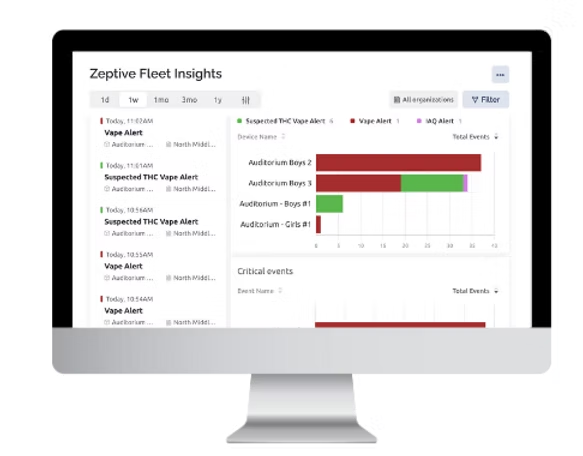
Zeptive is known for vape and smoke detection in schools and institutions. It offers vape and nicotine detection with tamper alerts.
Operators who primarily need vape detection and are comfortable filling gaps with separate STR tools.
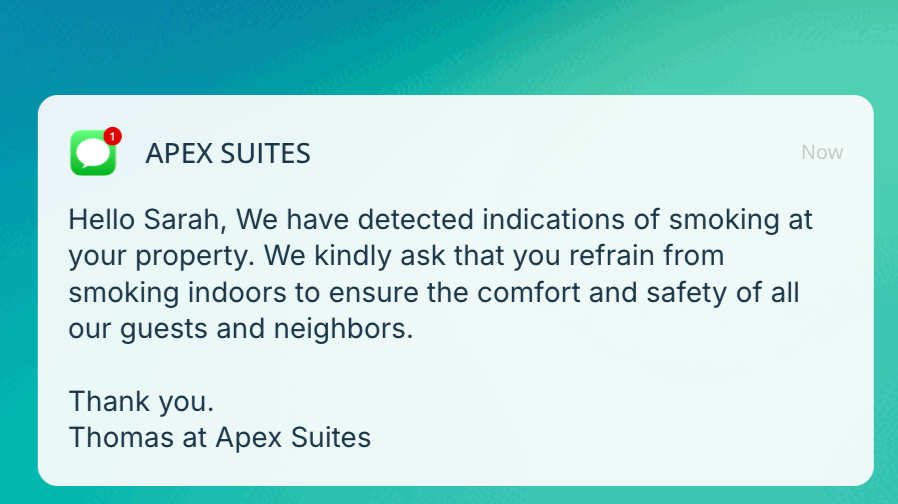
Alertify positions itself for short‑term rentals with smoking detection, incident reporting, as well as noise and occupancy monitoring. It aims to help hosts deter violations and document events for platform claims.
Hotels and rental hosts who want a targeted Airbnb smoking detector and plan to manage noise, occupancy, and climate elsewhere.
Cigarette detection is environmental monitoring, not surveillance. The sensor measures air quality and related signals, without using cameras or recording audio. That distinction protects guest trust and aligns with platform expectations.
Airbnb permits smoke and CO detectors and allows non‑recording noise monitors as long as you disclose them and follow placement rules. Don’t put devices in bedrooms or bathrooms, and always note them in your listing. A clear sentence like this works in listings and house manuals: “This home uses a privacy‑safe device that monitors the environment (including cigarette smoke and noise levels).”
Transparency earns buy‑in. The combination of disclosure, fair placement, and a calm “we protect the environment, not people” message keeps guests comfortable while you maintain standards.
Cigarette smoke can seep into soft furnishings and paint. Depending on the severity, removal may require ozone or hydroxyl treatment, deep cleaning of soft goods, and repainting high‑contact areas.
Burns on furniture, yellowing on walls, and HVAC contamination add up fast. Filters, rugs, and throws are frequent casualties after heavy indoor smoking.
If a check‑in gets delayed by odor, you may comp a night or discount, and you lose the revenue from a room being unavailable.
Guests who were in a room that smelled of smoke are likely to mention it in a review. Smoke complaints can also make future guests question cleanliness and policy enforcement, particularly when reviews mention a lingering odor or a delayed check-in.
If you operate rentals, smoking is a when‑not‑if problem. Waiting until checkout means costly deodorizing, room downtime, and a dent in your reviews. The right Airbnb cigarette smoke detector helps you prevent violations before they stick. It alerts you in real time, creates a timestamped record, and gives you the context to act quickly and fairly.

Minut is the best overall Airbnb cigarette smoke detector for 2026. It combines accurate smoking detection with noise monitoring, occupancy awareness, and indoor climate insights in a privacy‑safe device built for STR operations.
Yes. A cigarette smoke detector for Airbnb uses environmental sensors to identify tobacco smoke and alert you in real time, while respecting guest privacy.
They monitor air quality and particulate patterns associated with cigarettes and send timestamped alerts. Many systems log events so you can reference them when addressing guest violations or smoking fees.
Airbnb allows smoke and CO alarms and permits non‑recording noise monitors if disclosed and properly placed. Always disclose them in your listing and follow Airbnb device rules.
Privacy-safe detectors monitor the environment, not conversations or images.
Yes. Real‑time alerts let you intervene during the stay, and the event log can serve as evidence for platform claims. That’s core to effective no-smoking Airbnb monitoring and dispute resolution.
Act quickly. Send a polite reminder, reference house rules, and, if needed, document with photos and sensor logs. For odor remediation steps, see this cigarette smoke smell removal guide.
A smoke alarm is for fire safety and may not detect low‑level cigarette aerosols. A cigarette smoke monitoring device is for policy enforcement and documentation.
Yes. Early detection reduces how long smoke lingers and how deeply it settles into furnishings, which cuts cleaning time and material replacement. Fewer downdays mean fewer lost bookings.
Yes. Minut is built for STRs and pairs smoking detection with noise, occupancy, and climate in one dashboard. It’s accurate, privacy‑safe, and designed for portfolio operations across vacation rentals.