Carbon monoxide detectors: why every rental property needs one
Learn why carbon monoxide detectors are essential for rental properties, how they protect guests, and what hosts should know about safety and compliance.
If something goes wrong with gas or ventilation, it goes wrong quietly. The reason that carbon monoxide (CO) is a lethal threat is because it’s invisible, odorless, and fast‑moving.
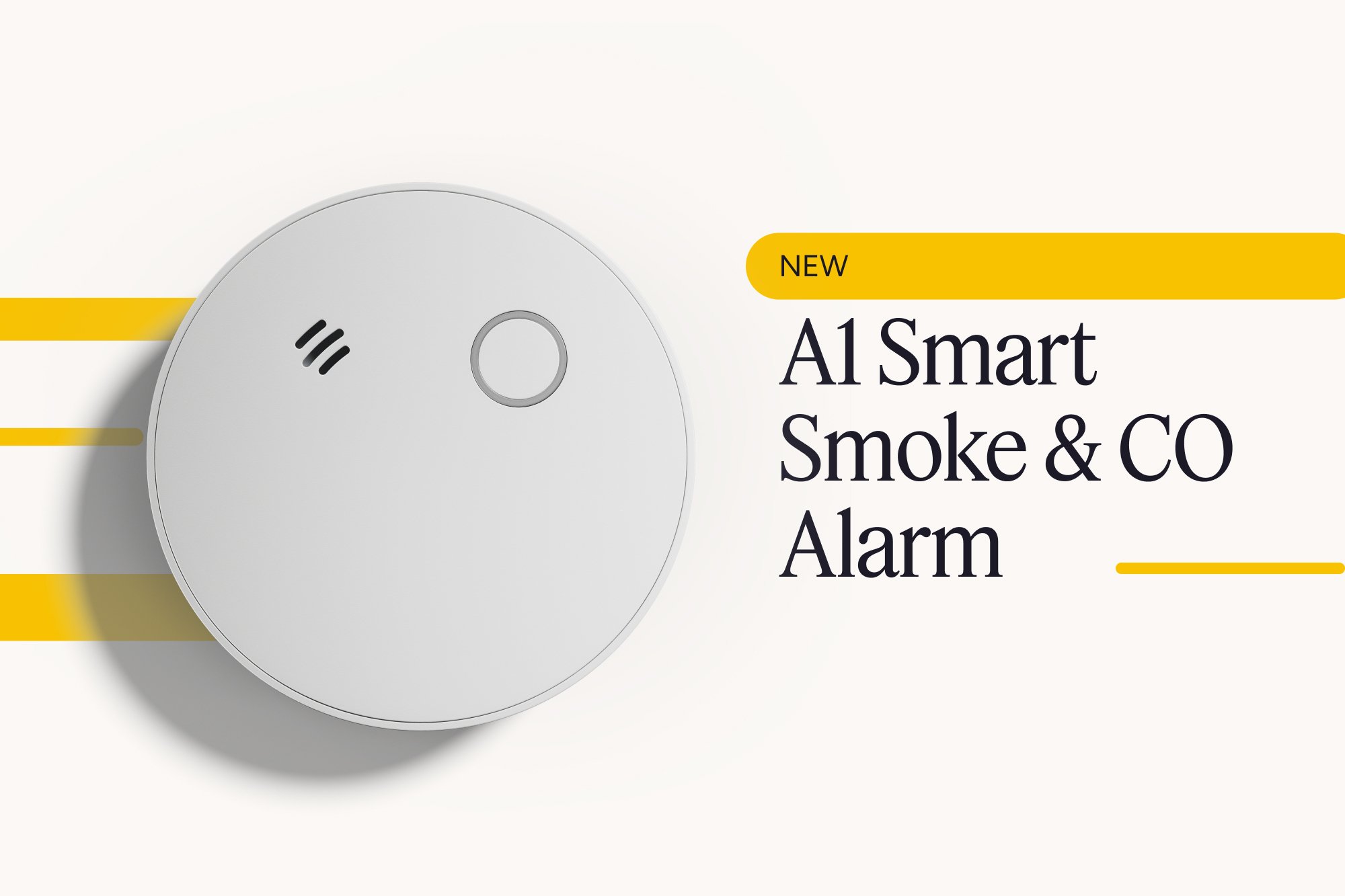
A carbon monoxide detector measures CO in the air and sounds an alert when levels become unsafe, giving occupants time to leave and you time to act. Because carbon monoxide can’t be seen or smelled, a carbon monoxide detector is the only reliable early warning system for rentals.
In this article, we’ll explore the common sources of carbon monoxide, the risks that rental properties in particular face, and why a detector is essential for guest safety,
Why carbon monoxide detectors are essential
A carbon monoxide detector exists for one purpose: to detect unsafe CO levels early enough that people can get out of the property and professionals can safely fix the cause. Early alerts buy you time for three practical steps:
Evacuation
Emergency response
Faster root‑cause diagnosis
In properties that share infrastructure, such as multi‑unit hotels or apartment hotels, leaks can potentially affect several rooms. A carbon monoxide detector network is how you avoid discovering that after a guest gets sick.
In short: a carbon monoxide detector reduces emergencies, enhances rental property safety, supports building compliance, and protects your guests and your brand.
Why rental properties face higher carbon monoxide risks
Vacation rentals have three particular factors that put them at higher risk:
Guests are unfamiliar with the property environment
Homeowners know their own systems, but guests don’t. They may not realize a space heater needs clear airflow or that a specific vent must stay open. Hosts can’t assume that guests are knowledgeable about what appliances are a CO risk, and so it’s their responsibility to ensure a safe environment.
One way to do this is to include safety information in your vacation rental guidebook, such as the location of detectors and what to do in an emergency.
Vacant properties increase the risk of delayed detection
Things can fail between bookings, when there’s nobody in the property to notice. Periodic inspections help, but they’re snapshots. Real safety comes from stronger visibility: a working carbon monoxide detector and, ideally, devices that keep tabs on indoor climate. For continuous indoor air safety, pairing CO alarms with environmental sensors that track temperature and humidity helps you catch side issues like ventilation failures or mold risk while units sit empty.
Multi‑unit properties create added complexity
Shared infrastructure — flues, boiler rooms, parking garage exhaust — means one fault can affect multiple doors. Consistency is both the challenge and the goal: getting every room to the same level of protection. This is where centrally visible, connected alarms shine.
Common sources of carbon monoxide in properties
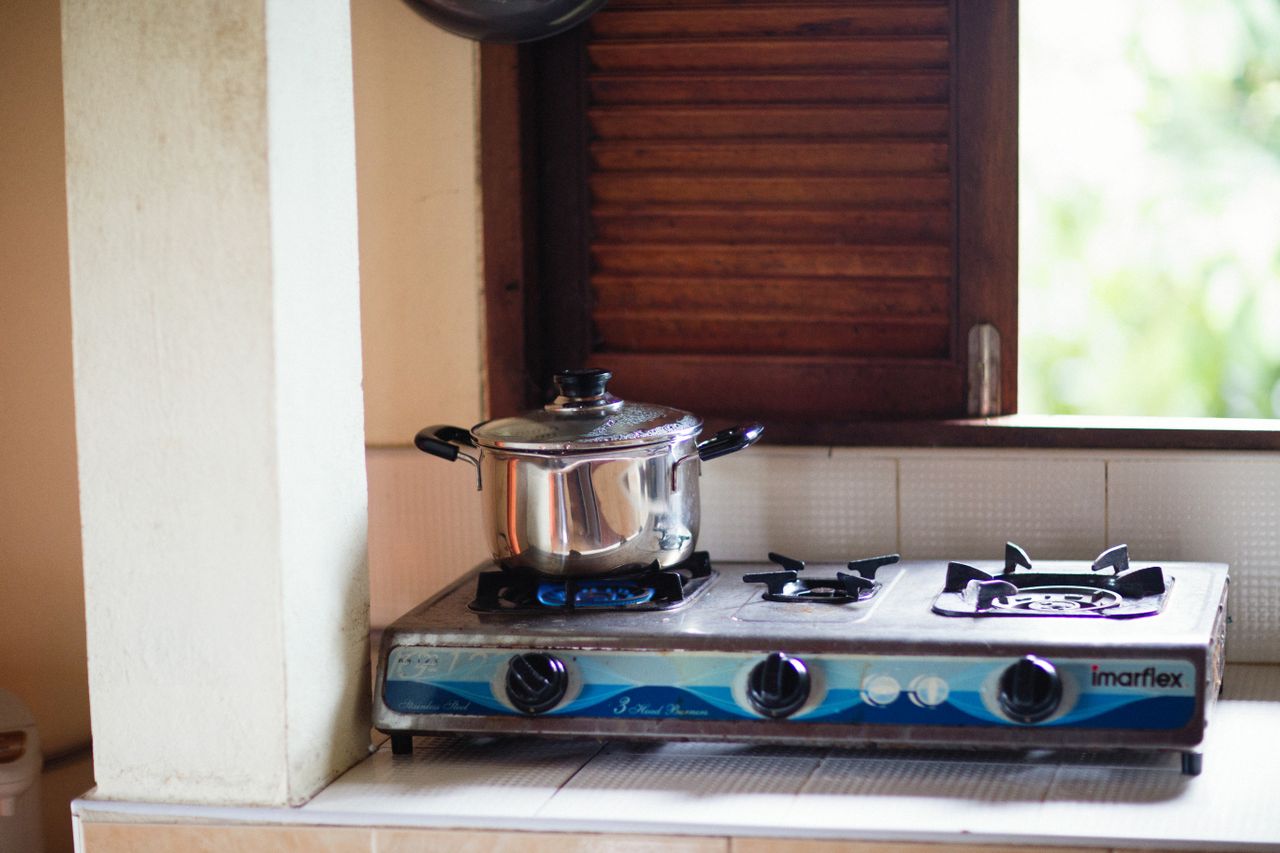
As CO is produced when fuels don’t burn completely, the main culprits are heating appliances such as gas ovens and stoves, boilers, water heaters, gas furnaces, and wood burners.
Fireplaces and chimneys also need careful monitoring. A trapped flue, soot, or a bird nest blocking the chimney can force smoke back into the property. If you have a working fireplace, regular chimney sweeps should be part of your maintenance schedule.
Fuel-powered tools and generators can also produce CO, and are particularly dangerous if they’re used in enclosed spaces like a garage. Likewise, vehicles left to run in an attached garage are an easily overlooked source of CO buildup.
The danger isn’t only from the sources themselves, but a lack of adequate ventilation and detection. That’s why maintenance needs to include checking vents aren’t blocked, as well as detectors being checked to still be working.
Where carbon monoxide detectors should be installed
Always follow the manufacturer guidance on placement, but in general you want them in the following locations:
Near sleeping areas: Install a carbon monoxide detector outside each bedroom or within the same room, depending on code and manufacturer guidance.
Near fuel‑burning appliances: Place detectors close to furnaces, water heaters, fireplaces, and gas appliance zones, keeping the recommended distance so normal operation doesn’t trigger nuisance alarms.
Multi‑level and shared spaces: Large homes and multi‑unit properties need coverage on every level, plus hallways and shared corridors. In hotels and aparthotels, carbon monoxide detectors should also be placed in service areas and any space with combustion or enclosed parking. The aim is property‑wide protection with clear alerts for staff, not isolated beepers that only a guest might hear.
Common placement mistakes to avoid
Three placement mistakes appear regularly:
Mounting a carbon monoxide detector too close to an appliance, leading to false alerts and eventual tampering.
Hiding a unit behind furniture or curtains, which blocks airflow to the sensor.
Covering only one floor, leaving bedrooms or basements unprotected.
Poor placement delays alerts, which puts people at unnecessary risk.
Carbon monoxide safety checklist for rental properties
Carbon monoxide detector installed near every sleeping area and on each floor.
Annual service on furnaces, boilers, fireplaces, and water heaters, with records kept for building compliance.
Emergency instructions printed and in your digital guide.
Guest communication prepped for both education and enforcement.
Connected monitoring active where possible e.g. a smart carbon monoxide detector that sends phone alerts, plus environmental sensors to watch temp/humidity when units are vacant.
CO detector regulations, and what guests expect
Carbon monoxide detectors are legally required in certain locations, but the exact requirements can vary. In the US, for example, rules are set at the state level rather than by the federal government, and depending on where you operate, CO detector requirements could state you need a detector in all residential dwellings, only in dwellings with devices that burn fossil fuels, or only if the building was built after a certain year.
To ensure legal compliance, it’s essential to check the rules for your particular location.
Regardless of legal requirements, carbon monoxide detectors are a staple part of rental property safety. Guests expect that the property they’re staying in is safe. This expectation includes maintenance of fuel-burning appliances, and devices that protect their health, including smoke detectors and CO detectors.
Regular testing is a crucial detail, as research has found that around a third of installed carbon monoxide alarms had “expired batteries or maintenance neglect.”
Final thought
Carbon monoxide leaks give you no warning. You can’t see, smell, or hear it, and it poses a genuine threat to life. Guests expect — and deserve — their rental hosts to have the safety basics covered. These include carbon monoxide detectors in the appropriate places around the property, regular maintenance schedules that check appliance safety and ventilation, and clear instructions for guests.
Carbon monoxide detector FAQs
What does a carbon monoxide detector do?
A carbon monoxide detector continuously samples the air and alerts occupants when CO reaches unsafe levels, allowing evacuation and fast response before symptoms escalate. Because CO is invisible and odorless, a carbon monoxide detector is the only reliable early warning system.
Where should carbon monoxide detectors be installed in a property?
Carbon monoxide detectors should be installed near sleeping areas, on every level, and near fuel‑burning appliances following manufacturer distance guidance. Don’t hide detectors behind furniture or place them right on an appliance.
What’s the difference between a smoke detector and a carbon monoxide detector?
A smoke detector identifies fire particles or heat. A carbon monoxide detector measures CO gas.
How often should carbon monoxide detectors be tested?
Press the test button monthly and follow the device’s maintenance instructions.
Can carbon monoxide detectors improve guest safety in hotels and rentals?
Yes. They provide early warning and, when connected, give staff real‑time alerts across multiple units.
What are the signs of carbon monoxide exposure in a property?
Symptoms can include headache, dizziness, nausea, confusion, and fatigue. These are all easily dismissed as something else, such as tiredness or illness, so it’s important that you install a carbon monoxide detector instead of guests relying on symptoms.





.png)