When guests arrive at a short-term rental, they want one thing above all: clarity. How do I get in, connect to WiFi, work the thermostat, find parking, and where should I grab coffee after I unpack?
A well-structured vacation rental guidebook answers these questions in minutes, not messages. It’s the host’s way of organizing essential stay details, house rules, and local recommendations in one trusted place before, during, and after the stay.
What is a vacation rental guidebook?
A vacation rental guidebook is a concise, easy-to-navigate resource that explains how the property works, sets house rules and safety guidance, and shares local recommendations guests can trust. It can be printed, shared digitally pre-arrival, or integrated with your PMS so guests always have accurate, mobile-friendly instructions and an area guide at their fingertips.
Why guests use vacation rental guest guidebooks
Guests use guidebooks when they need a quick answer and don’t want to message the host.
Typical questions a vacation rental guidebook should preempt include:
Where can I eat nearby, and what’s open late?
Where is the closest grocery store, pharmacy, or ATM?
What are the house rules, including quiet hours and visitor policies?
What should I do before checkout, and where do I leave trash and keys?
By anticipating these needs, you’ll reduce ambiguity and the back-and-forth that can bog teams down.
How guidebooks improve the vacation rental guest experience
A strong vacation rental guidebook acts like a local host waiting inside the home. When guests aren’t confused about parking or trash, don’t need to ping you to find the thermostat, and walk into dinner reservations you recommended, they attribute that ease to professional hosting. In a tightening, more competitive market — where professionalization is advancing — a polished guidebook signals you run a serious, guest-first operation.
Essential property information guests look for
A vacation rental guidebook should explain, in a few lines each, the details guests use within the first hour of arrival and throughout the stay. Prioritize:
Internet password, including troubleshooting tips if the connection drops
Appliance instructions for the coffee maker, oven, dishwasher, and laundry
Thermostat and HVAC controls with temperature guidelines
Parking instructions, including permits or street rules
Trash and recycling disposal, days, and where to take bins
Cover these, and guests will be able to settle in faster and you can avoid a stream of repeat questions.
House rules and expectations guests should know
House rules belong in your vacation rental guidebook because they prevent misunderstandings. You’re setting a calm, consistent tone that protects everyone’s experience, including neighbors and staff. It’s not a lecture for guests.
Be specific about:
Quiet hours and how your property defines “nighttime noise”
Visitor and event policies, especially for larger groups
Smoking rules, including outdoor areas and any detection measures
Pet policies, covered furniture, and cleanup expectations
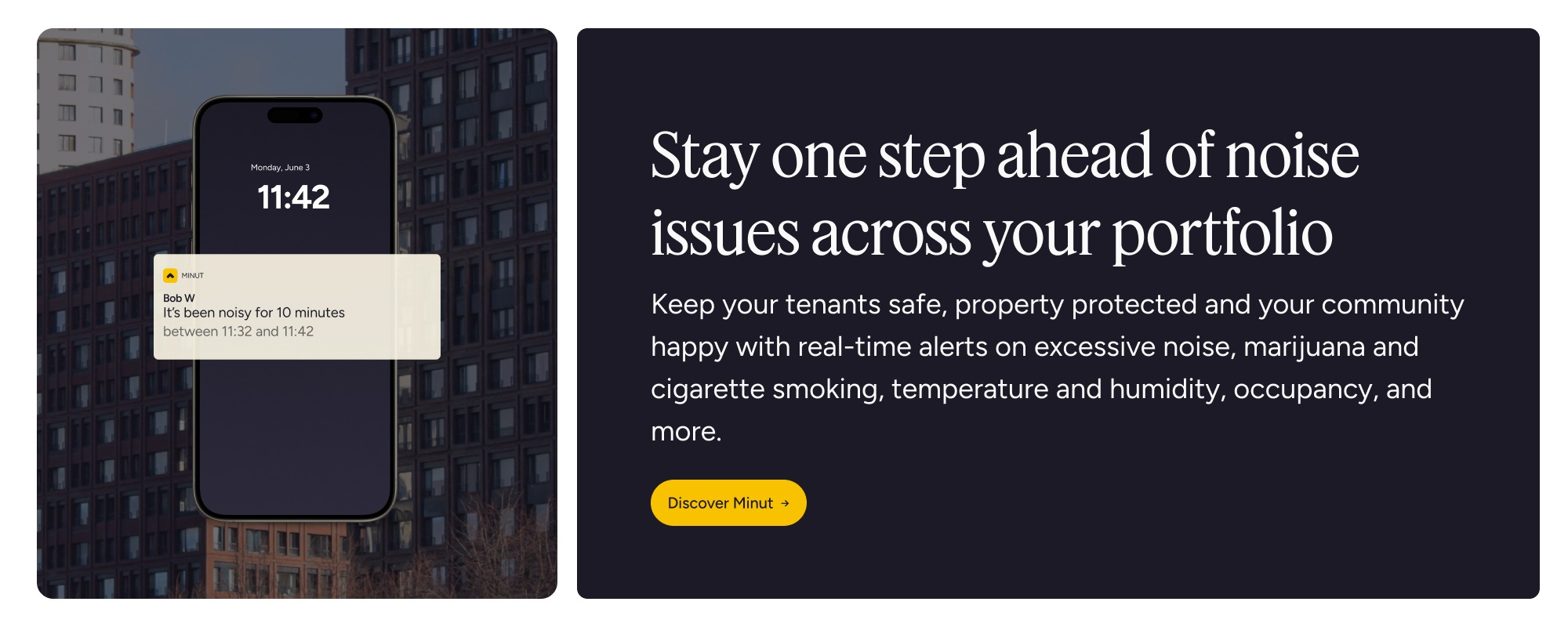
Many hosts pair clear rules with privacy-safe noise monitoring to verify compliance, avoiding the need for awkward confrontations. Minut, for example, can detect sustained noise levels without recording audio. If noise exceeds your chosen threshold for a set period, an automatic, friendly message can remind guests about quiet hours before a complaint is made.
Safety information that should appear in a guidebook
A short safety section helps guests act quickly if something goes wrong. To ensure guest security and build trust between you and your guests, your vacation rental guidebook should include:
Emergency contact numbers for police, fire, and local medical services
Emergency exits and evacuation notes specific to your building or property
First aid kit location and basic instructions
Any special local advisories, like wildfire warnings or flood-prone routes
Local recommendations guests want in a vacation rental guidebook
For many travelers, the most valued part of a vacation rental welcome guide is the area guide for guests. They can search for restaurants themselves, but a host can point them towards the places that are actually worth going to. Consider including:
Standout restaurants and cafés
The closest grocery store and pharmacy
Tourist attractions
Walking routes and public transport shortcuts
Use your local knowledge to surface the “can’t find this online” gems like the bakery that sells out by 10 a.m., the family-owned bistro that seats walk-ins at the bar, or the free museum day. You’ll save guests time researching and help them get the most out of their stay.
Airbnb guidebooks vs independent vacation rental guidebooks
Airbnb guidebooks and independent vacation rental guidebooks usually cover the same basics. Airbnb hosts, however, may add platform-specific pointers like check-in photo requirements, review guidelines, and communication preferences through the Airbnb app. Many hosts combine their welcome book and guidebook into a single resource so guests don’t have to hunt for details across multiple places.
Digital guidebooks for vacation rentals
Digital guidebooks for vacation rentals are popular because they’re easy to update and send before arrival. If parking rules change or check-out instructions need adjusting, you can update one link instead of reprinting a folder. They also work well for quick scanning of local recommendations, as guests can tap straight through to maps, menus, and transport information.
Vacation rental guidebook templates
A vacation rental guidebook template can help hosts avoid starting from a blank page, worrying they’ll miss out a critical section.
Common template tools include Canva for brand-forward layouts, Google Docs for easy collaboration, Word for quick exports, and digital guidebook platforms that integrate with your PMS.
Search interest in “vacation rental guidebook template” continues to rise because it cuts setup time for operators scaling portfolios.
Tips for creating a helpful vacation rental guest guidebook
Start with the guest journey. What does your traveler need seven days before arrival, the morning of check-in, one hour after they step inside, on the first morning, and the night before checkout? Map your content to those moments.
The biggest mistake is trying to include everything. Guests don’t need a manual for every cupboard or appliance setting. They do need the information they’re most likely to look for during their stay. Keep sections short, update local recommendations and policies, and make essentials like internet access, parking, access, and check-out instructions easy to find.
It also helps to pair rules with reasons. For example, explain that quiet hours protect neighbors and help maintain your license. If you use privacy-safe noise monitoring, mention it clearly so guests understand how it supports the house rules.
Conclusion
A vacation rental guidebook is the onramp to a smooth stay. It tells guests how your property works, articulates house rules and safety steps, and opens the door to the neighborhood with personal, host-tested tips. That clarity reduces questions, prevents small issues from becoming big ones, and powers more positive reviews with less manual intervention.
As your portfolio grows, pairing a well-structured guidebook with proactive property monitoring ensures you keep both guests and neighbors comfortable. Tools such as Minut help property managers maintain safe, respectful stays with privacy-first tools for noise monitoring, temperature and occupancy insights, and automated guest messaging. Used together, your guidebook sets expectations while Minut’s alerts and automations help uphold them, supporting responsible hosting practices without sacrificing guest experience.
FAQs
What is a vacation rental guidebook?
A vacation rental guidebook is a centralized resource that explains property access, internet access, appliances, house rules, safety information, and local recommendations. It can be printed, shared digitally, or integrated with your PMS to support consistent short-term rental management.
What should be included in a vacation rental guidebook?
Cover the essentials first: access instructions, WiFi details, thermostat and appliance notes, parking, trash and recycling, house rules, emergency numbers and exits, and a curated area guide for guests highlighting local attractions, eateries, and transit.
How do you create a digital guidebook for a vacation rental?
Choose a format that’s easy to update and mobile-first. Many managers use Google Docs, Canva, or dedicated platforms to build a digital guidebook for vacation rentals. Link it in pre-arrival messages so guests always have the latest version on their phones.
What is a vacation rental guidebook template?
A vacation rental guidebook template is a pre-structured layout that helps you include all essential sections without starting from scratch. You can find options for Canva, Google Docs, Word, or integrated guidebook tools, then customize with your brand voice and local recommendations.
Are there digital guidebooks for vacation rentals?
Yes. Digital guidebooks are increasingly standard because they’re easy to update, accessible on mobile, and shareable before arrival. They can also include interactive links to maps, restaurants, and things to do nearby, reducing back-and-forth guest communication.
Where can hosts find customizable vacation rental guidebook templates?
Look for templates in Canva’s library, document marketplaces, and within your PMS or guest communication tools. Search specifically for “vacation rental guidebook template” to find layouts suited to short-term rentals.
How do you build a digital guidebook for a vacation rental property?
Outline your sections based on the guest journey, write concise instructions, and add host-curated local recommendations. Keep a single source of truth you can update instantly and share the link automatically in your pre-arrival flow. For smoother enforcement of quiet hours noted in your guide, many operators pair it with Minut’s noise monitoring and automated messaging.
What are alternatives to traditional vacation rental guidebooks?
Some hosts embed a welcome page into their booking confirmation, use QR codes on the fridge to load a mobile guide, or include a printed one-pager for the essentials plus a link to the full digital version. The key is fast access to the most important details.
Why should vacation rentals provide a guidebook for guests?
A guidebook streamlines the stay, builds trust, and improves reviews. A clear vacation rental guidebook reduces questions and misunderstandings, helps guests explore with confidence, and supports smoother operations for hosts and managers.








.png)