Carbon monoxide detector requirements: what every short‑term rental host should know
Learn the carbon monoxide detector requirements for vacation rentals, why legal compliance alone may not be enough, and the best practices hosts can follow to better protect their guests.
Most licensed markets now expect carbon monoxide detectors in vacation rentals that have fuel‑burning appliances or attached garages. But passing an inspection doesn’t automatically make a home safe. Carbon monoxide is invisible, odorless, and moves with air, so it’s not something that a host or guest would know is present without a detector.
That’s why real protection comes from pairing legal compliance with routine maintenance and clear operating procedures.
Carbon monoxide detector requirements for vacation rentals, in brief
Most jurisdictions require carbon monoxide detectors in vacation rentals that have gas, oil or wood‑burning appliances, fireplaces, or an attached garage, with placement near sleeping areas (often within 10–15 feet, depending on jurisdiction) and on each habitable level.
Specific requirements differ by state, city and property type, so confirm local rules, follow recognized standards (UL 2034/CSA 6.19), and test and replace devices on the manufacturer’s schedule.
Understanding carbon monoxide detector requirements for vacation rentals
Carbon monoxide (CO) is odorless and colorless. Early symptoms mimic illness, such as a headache, lethargy or nausea, which is why people lie down when they should be getting out.
Public‑health agencies flag hundreds of deaths and thousands of ER visits in the U.S. every year, and a risk for renters is they aren’t familiar with the property in the way an owner is.
Lessons from past incidents are baked into code: many state and local changes followed apartment and hotel poisonings, which pushed regulators to extend requirements beyond solid‑fuel heaters to include gas boilers, oil furnaces and attached garages.
Why requirements vary between locations
The “what” and “where” come from a mix of statutes, fire codes and building codes. The National Conference of State Legislatures shows how rules differ by dwelling type, whether a CO source is present, and whether the unit is new construction, renovated or being sold. A few useful examples:
California requires CO alarms for “dwelling units intended for human occupancy,” with placement outside each sleeping area and on every level. The state fire marshal recommends detectors inside bedrooms for maximum coverage. Properties with attached garages often need alarms even when the apartment itself is all‑electric because CO can travel through openings and ventilation paths.
Illinois law requires an approved CO alarm within 15 feet of every room used for sleeping purposes. Minnesota requires alarms within 10 feet of each sleeping room, with hotel guest rooms covered as well.
One more U.S. twist: federal housing. HUD’s standard for voucher units requires CO detectors in the immediate vicinity of each sleeping area or within the room depending on the building’s CO sources and adjacent spaces, with 24‑hour correction if missing.
What hosts should verify before accepting guests
Local requirement: Confirm city and county rules, not just state law.
Detector placement: Typical U.S. rules call for alarms outside sleeping areas and on each level. Many officials recommend inside bedrooms as well for overnight detection.
Testing and inspection schedule: In addition to following manufacturer guidelines, detectors should be checked between each guest booking to ensure that every stay is protected.
Why compliance doesn’t always equal protection
Code language has to work for millions of homes. It can’t anticipate your quirky basement vent, the garage door that never fully seals, or the old water heater flue that was rerouted during a rushed renovation. That’s why the rules are a patchwork of triggers and occupancy types rather than a one‑size‑fits‑all rule set.
Every vacation rental is different
Properties with attached garages, gas fireplaces, standby generators or tankless heaters add risk points. Renovated spaces might have changes in air pathways, and even an all‑electric unit can be exposed to CO if it sits above an enclosed garage or shares air with a mechanical room. England’s expanded scope to include gas boilers is a good example of regulators catching up to real‑world risk.
Guest safety depends on more than passing an inspection
Code compliance is a snapshot. Safe operation is a routine. Filters clog, vents get blocked by snow or nesting, and batteries die. Guests can’t spot CO risks in a new space, and early symptoms look like a cold or food poisoning. That’s why ongoing testing, documented maintenance and a plan for responding to alerts matter just as much as the installation itself.
The safety gaps hosts often overlook
Walk a unit like you’re the claims adjuster who shows up after an incident. These are the misses that are easily missed.
Detectors that aren’t properly maintained: From CO alarms that chirp for weeks before anyone reports them, to devices still in the box on a closet shelf, it’s essential to confirm that a device is fully working for every booking.
Changes inside the property: Swapping a range, relocating a boiler, remodeling a bathroom that shares a flue chase, or closing off a return air path can change how air and exhaust move. Treat renovations or appliance upgrades like a trigger to re‑review detector placement and venting.
Guests can’t identify carbon monoxide risks: Travelers don’t know your house. They might turn on a gas fireplace they’ve never used, warm up a car in the garage during a snowstorm, or ignore a faint beep if they think it’s a low battery on a smoke alarm. Smart alerts help you get ahead of that.
Why integrated smoke and carbon monoxide detection makes safety simpler
In single‑family homes and small apartments, separate alarms can work. At scale, integrated devices are easier to manage. Here’s the side‑by‑side many operators use when deciding.
Feature
Separate smoke & CO devices
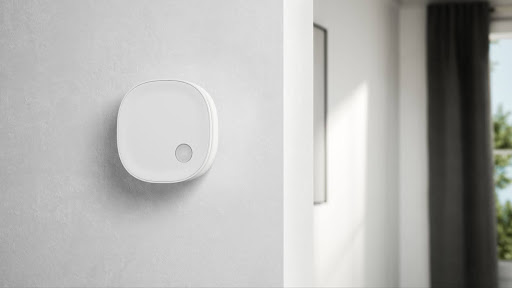
Integrated smoke + CO detector
Maintenance schedules
Multiple calendars to track
One device, one schedule
Testing routines
Separate tests for each unit
Simplified testing in one step
Replacement timelines
Different end‑of‑life dates
Aligned replacement cycle
Number of devices
More devices per property
Fewer devices to monitor
Portfolio management
Harder to keep consistent
Easier to standardize across homes
Guest clarity
Multiple housings in hallways
Cleaner look and clear labeling
Carbon monoxide compliance checklist for vacation rental hosts
Use this list as your next‑turnover task or portfolio audit:
Verify local carbon monoxide detector requirements with your city or fire marshal and cross‑check against a state summary.
Install certified detectors that meet UL 2034 or CSA 6.19 in required locations near sleeping areas and on each habitable level.
Test detectors before every guest stay and log the check.
Replace batteries and any expired devices on schedule.
Schedule annual inspections of fuel‑burning appliances and fireplaces.
Check vents and exhaust systems for blockages or damage.
Document all maintenance with dates, serial numbers and photos of expiry dates.
Re‑review detector placement after renovations or appliance changes.
Upgrade older safety devices when manufacturer life or code updates call for it.
Consider integrated smoke and carbon monoxide detection to simplify property management.
Conclusion
Carbon monoxide detector requirements are the foundation of life safety in a vacation rental, not the finish line. Codes set a baseline, but every property breathes differently. The safest operators combine compliance with routine testing, documented maintenance, and gear that reduces complexity.
Carbon monoxide detector requirements FAQs
Are carbon monoxide detectors required in vacation rentals?
In most jurisdictions, yes when a CO source is present, and often for any dwelling with an attached garage. Requirements vary by state, city and building type.
Do Airbnb hosts need carbon monoxide detectors?
Airbnb expects hosts to follow local law and disclose detectors on listings. Many STR markets require CO alarms near sleeping areas if there are fuel‑burning appliances or an attached garage.
Where should carbon monoxide detectors be installed?
Common rules call for detectors outside each sleeping area and on every level, with many officials also recommending inside bedrooms. Keep devices some distance from appliances and vents to reduce false alarms.
No, compliance is a baseline. Real‑world safety depends on ongoing testing, equipment condition, clear venting, and how quickly you respond to alerts.
How often should carbon monoxide detectors be tested?
Test monthly, test before each guest stay, and replace devices on the manufacturer’s schedule.
How can hosts improve safety beyond legal compliance?
Treat detector checks as part of turnover, schedule annual appliance and vent inspections, document everything, and consider smart, integrated detection that provides remote alerts and time‑stamped records.