Getting outside during or after a hard day is one guaranteed way to lift your mood.
It’s not just an old wives’ tale — nature has immediate positive effects on physical and mental health, helping to reduce stress and anxiety and improve mood. This makes green spaces and communal gardens invaluable in multifamily properties, improving tenants’ quality of life and boosting retention rates while increasing property appeal and value.
Below, we take a look at the advantages of having green areas in your property and share some ideas for creating the perfect oasis of calm and enjoyment for your tenants.
Quick note before we get into the amenity details: "garden apartment" gets used two different ways, so it's worth sorting out up front. When people say community garden apartments, they usually mean apartments that come with a shared or community garden as an amenity. When they say garden-style or garden-level apartments, they're describing a building layout or a specific unit type, not a gardening perk. This page covers both, so you'll find clear definitions first and then the amenity guidance further down.
What is a garden apartment? Definitions and types
The term covers a few related ideas, and the right one depends on context. Here's what each phrase means in common industry use.
Garden apartment meaning: what is a garden apartment or garden apt
So what is a garden apartment? In its broadest sense, a garden apartment is a residential unit connected to garden space or greenery, whether that's a private ground-floor patch, a shared community plot, or landscaped grounds around the building. When someone asks what is a garden apt, they're usually pointing at one of two things: a unit with direct garden access, or a low-rise complex surrounded by lawns and plantings. The garden apartment meaning shifts with the listing, so it's always worth checking whether the label refers to an amenity or a layout.
What is a garden style apartment or garden style apartment building
A garden-style apartment describes a layout rather than a single unit. Garden style apartments are typically found in low-rise buildings, usually two to three stories, spread horizontally across a site with landscaped grounds, courtyards, and open walkways between buildings. So what are garden style apartments in practice? Think of a suburban complex where several short buildings share lawns, trees, and parking rather than one tall tower. A garden style apartment building rarely has elevators, and residents often enter their units from outside instead of through a shared interior corridor. Garden style multifamily is one of the most common formats in U.S. suburban rental housing, which is part of why the garden style apartments meaning trips people up: it's about the property's shape, not a garden you tend.
Garden unit, garden flat, and what garden level means
A garden unit sits at the lowest level of a building, usually on the ground floor or partially below grade, with its own access to a yard, patio, or garden area. So what is a garden unit? It's the unit closest to the ground, often with windows near or slightly below street level. A garden flat is the same idea, more common in British usage, describing a ground-floor or lower-ground unit with garden access. As for what garden level means: garden level refers to a floor that's partly below grade, where the windows sit low and part of the wall is underground. These units trade some natural light and view for direct outdoor access and, often, a lower rent.
Pros and cons of garden-style and garden-level apartments
Both formats have real trade-offs. Here's a grounded look at each side.
Pros:
Direct outdoor access. Garden-level and ground-floor units often open onto a patio, yard, or garden, which is hard to get on upper floors.
Quieter, low-rise feel. Garden-style complexes spread out horizontally, so there's less of the stacked, high-density feel of a tower.
Often more affordable. Garden-level units and lower floors frequently rent below comparable upper-floor units in the same building.
Easy entry. Ground-floor and garden units mean no elevators and no stairs to climb, which helps with moving, groceries, and accessibility.
Cons:
Less natural light. Garden-level units with low or partially below-grade windows get less daylight than upper floors.
Privacy and security considerations. Ground-level windows and doors are easier to see into and reach, so residents often want better locks, lighting, and window coverings.
Pests and moisture. Ground-floor and below-grade units are more exposed to damp, humidity, and pests, which can mean mold risk if the space isn't ventilated well.
Limited view. A ground-floor or garden-level unit looks out at the yard, hedges, or parking rather than a skyline.
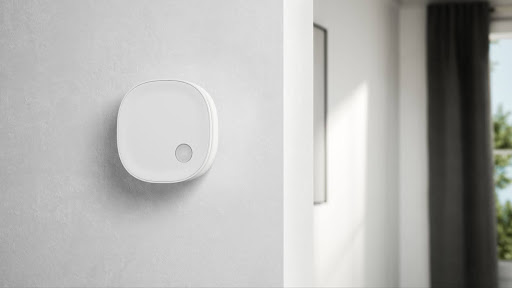
Property managers can address several of these directly. For example, indoor climate monitoring that tracks temperature, humidity, and mold risk helps catch moisture problems in ground-level units before they turn into damage or complaints.
For operators running garden-style multifamily buildings, the community garden amenity fits the format naturally. These properties already have the landscaped grounds and shared outdoor space that a community garden needs, and residents drawn to low-rise, ground-connected living tend to value hands-on outdoor space. Adding a shared garden gives that layout a practical use, supports resident retention, and makes the grounds you're already maintaining work harder for you.
Benefits of outdoor areas and community garden apartments
Adding a community garden or outdoor space can transform your multifamily property in numerous ways and help you:
Increase tenant satisfaction and boost retention rates
An attractive, well-kept outdoor space offers tenants a place to relax and unwind, giving them a reason to stay in the property rather than look for another home. Tenants who feel connected to their living environment are more likely to renew their lease, saving you from costly turnover.
Enhance curb appeal and attract potential tenants
Community gardens and well-maintained outdoor areas are often a unique selling point that helps your property stand out, particularly in busy urban settings. Prospective tenants looking for a pleasant, eco-friendly space are drawn to properties that offer well-designed outdoor amenities.
Strengthen community bonds among residents
Shared spaces encourage social interaction, creating opportunities for residents to connect and build friendships. These community bonds can enhance the living experience and build a sense of neighborhood within your property, increasing tenant well-being and decreasing turnover.
Justify higher rental rates
Tenants are increasingly willing to pay a premium for eco-friendly, community-focused living spaces that improve their quality of life. Having desirable outdoor amenities often justifies slightly higher rental rates.
Amenities to consider for community gardens and spaces
There are several features and amenities to make your green spaces more attractive, eco-friendly, and functional. A few to consider include:
Raised garden beds: Include raised beds and set up gardening programs encouraging residents to grow herbs and vegetables. This approach promotes sustainability while creating an inviting atmosphere and fostering community spirit.
Outdoor lounge areas: Comfortable seating areas create an inviting space where residents can relax and socialize.
Efficient decorative lighting: Energy-efficient lights make the space safe, well-lit, and usable at night. They are also eco-friendly and help keep energy bills at bay.
Tool storage sheds: Sheds to store away tools and machinery are vital to keeping the space decluttered and well-organized.
Seating and picnic areas: Choose durable, sustainable materials for furniture that add functionality without contributing to waste.
Shaded pavilions or pergolas: Ideal for warmer or sunnier climates, these structures provide shade and make outdoor spaces more usable even during the hotter months.
Outdoor fitness equipment: Gym equipment can amplify the health benefits green areas offer and help promote health and wellness among residents.
Children's play areas: Family-friendly spaces make your property more attractive to a broader tenant pool and can help encourage a sense of community.
Barbecue and grilling stations: Shared grills or outdoor kitchens give tenants a place to celebrate special occasions and contribute to creating a vibrant social hub. Set up a booking system for tenants to reserve them and set clear usage rules.
Fire pits or outdoor fireplaces: Ideal for cooler evenings, these features help create a cozy atmosphere and are often a favorite among residents. Remember that fireplaces can be a fire hazard, so carefully assess your resident pool and property layout to understand if installing them is the right choice.
Community bulletin boards or kiosks: Even if you already use email or online platforms to reach tenants, physical bulletin boards can be an excellent way to foster communication and share information or reminders on events, gardening tips, or community announcements.
How to create an outdoor community space
With many possible features to consider and pros and cons to weigh up, designing a welcoming and sustainable outdoor area for your multifamily building may feel daunting.
To help you make the process less intimidating, follow the steps below:
1. Develop a clear project timeline and budget to manage costs and schedule
As with any other project with multiple moving parts, you need a clear roadmap from vision to completion. A well-planned timeline and budget will help the project stay on track and within your financial limits. Be sure to account for installation and future maintenance costs.
2. Hire experienced contractors and communicate the project early to minimize disruptions
Analyze your budget and timeframes and select contractors with experience in outdoor space projects for multifamily settings. Clear communication of the project’s scope, timeline, and expectations helps prevent disruptions to residents and keeps things running smoothly.
3. Select low-maintenance, native plants to reduce upkeep
Looking after a green space can be time-consuming, so opt for native plants that thrive in your area’s climate. These require less water, fertilizer, and care, making them ideal for a low-maintenance, sustainable garden.
4. Pick energy-efficient outdoor lighting
LED or solar-powered lights can extend the use of outdoor spaces into the evening without spiking utility costs. Thoughtfully placed lighting also creates a cozy and inviting atmosphere.
5. Use permeable paving to manage water flow
Permeable paving is attractive and helps manage stormwater, reducing the risk of flooding and protecting the environment.
6. Incorporate recycled and repurposed materials
Recycled materials bring character to the space while reinforcing your commitment to sustainability. For example, pick furnishings such as benches, raised beds, or decorative features made from repurposed wood or metal.
7. Provide recycling and waste disposal bins
Provide accessible recycling and waste bins and clearly signal what goes in each bin to make it easy for residents to keep the area clean. This small step promotes a well-maintained, organized space.
8. Include birdhouses and feeders to attract local wildlife
Adding birdhouses or feeders brings nature closer to residents, creating a peaceful and engaging environment that enhances the garden experience. Make sure you adequately manage these features to prevent health hazards for animals and residents.
9. Opt for landscaping that requires minimal care
Set aside time to research resilient plants that stay lush with minimal intervention and ideally require less water to thrive. This will help you conserve water and reduce maintenance needs and costs while ensuring the space looks fresh all year round.
10. Choose sustainable, durable furniture
Invest in durable, eco-friendly outdoor furniture that can handle the elements. Look for pieces made from recycled or sustainably sourced materials and ensure they will work well in your specific climate and property.
11. Monitor progress to maintain ongoing quality
Once the project is complete, regularly inspect the space for any issues and plan for routine maintenance to keep it safe, clean, and appealing.
💡 Pro tip: Once your outdoor area is up and running, let tenants know the rules and hours of use so they can help look after the space and equipment.
Improving the tenant experience and supporting the environment with sustainable outdoor spaces
While green spaces can mean a significant investment in time and money, they bring many long-term benefits to your multifamily property. From fostering a sense of connection to enhancing property appeal, outdoor spaces improve the tenant experience, contribute to retention, and increase property value.
With thoughtful planning, eco-friendly amenities, and sustainable design choices, you can transform your property’s outdoor space into a thriving, beautiful area that tenants enjoy and is beneficial for both your portfolio and the planet.
Want to discover more ways to keep your multifamily property more sustainable? Learn how Minut can help.
Garden apartment FAQs
What is a garden apartment?
A garden apartment is a unit tied to garden space or greenery. Depending on the listing, that means a unit with private or shared garden access, or a home in a low-rise, landscaped complex. Check the context to see whether it's describing an amenity or a building layout.
What does garden apartment mean?
It has two common meanings. In amenity terms, it's an apartment with access to a garden, sometimes a shared community garden. In layout terms, it points to garden-style or garden-level housing. The word "garden" signals a connection to outdoor or green space.
What does garden level mean?
Garden level refers to a floor that sits partly below grade. The windows are low, near or slightly under street level, and part of the wall is underground. These units usually get less light and view but often come with direct outdoor access and a lower rent.
What is a garden unit?
A garden unit is the lowest unit in a building, typically on the ground floor or partially below grade, with its own access to a yard, patio, or garden. It's the same idea as a garden flat, a term more common in British usage.
What is a garden flat?
A garden flat is a ground-floor or lower-ground unit with access to a garden or yard. The term is used mainly in the UK and matches what U.S. listings call a garden unit or garden-level apartment.