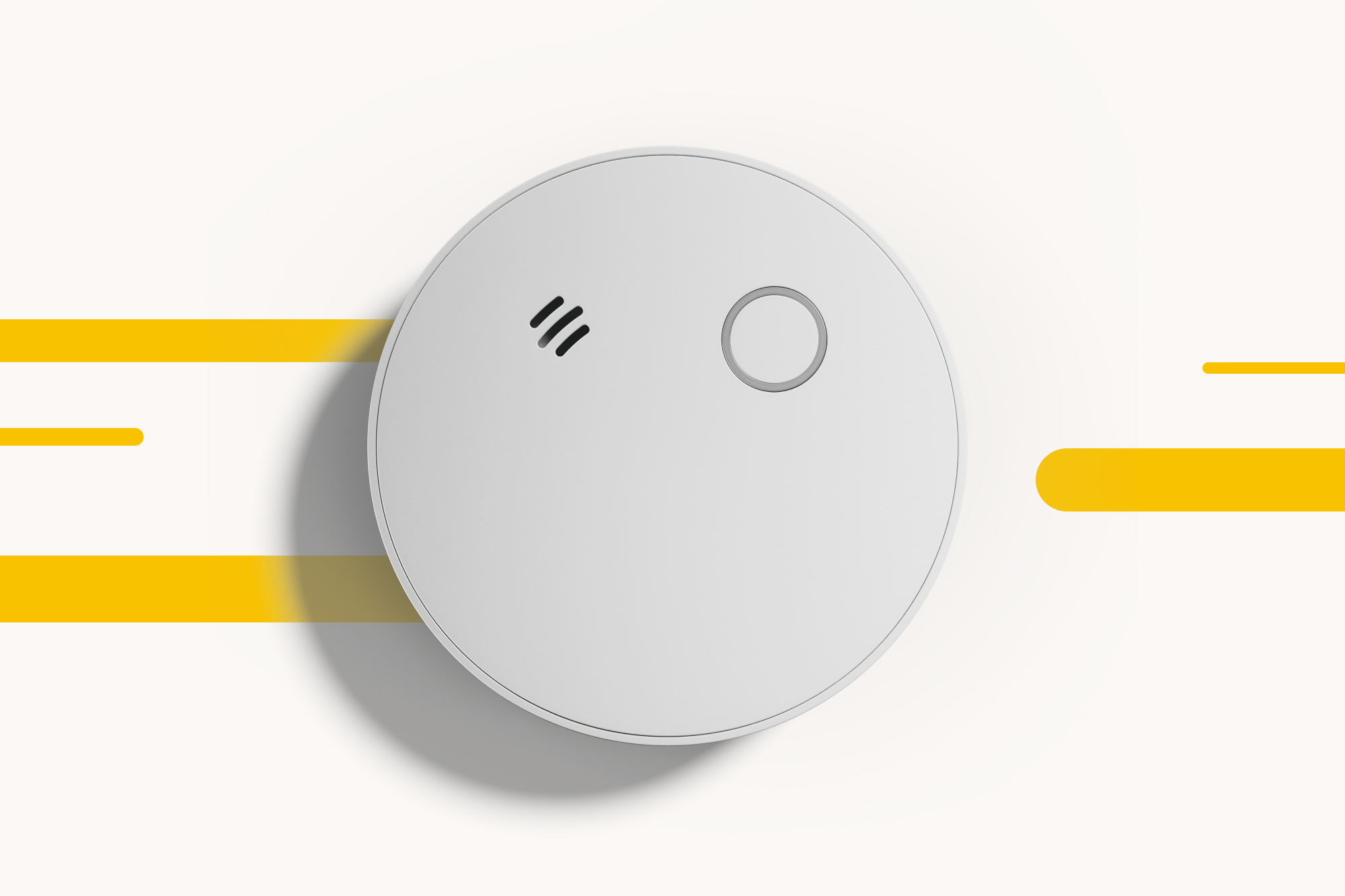
Why the hospitality industry is adopting smart noise technology
Learn how smart noise technology helps hotels, aparthotels, and short-term rentals prevent disturbances, protect guest privacy, and improve operations by detecting sustained noise patterns before they escalate.
Noise is one of hospitality’s most persistent pain points. A single late-night disturbance can ripple into bad reviews, strained neighbor relations, and unexpected costs, especially in dense urban environments where sound travels and patience runs thin. For hotels, aparthotels, and short-term rental (STR) operators, preventing issues before they escalate creates a real competitive edge.
That’s why smart noise technology has been quietly making its way into hospitality operations worldwide. These devices help teams spot and resolve potential problems early, without invading guest privacy. Yet many operators still aren’t sure how smart noise works, or what it can and cannot detect.
This guide explains the technology, how it improves operations and guest experience, and best practices for adoption.
What smart noise technology is
Smart noise technology describes privacy-safe sensors and software that measure sound levels over time to detect potential disturbances. These devices are sometimes called “noise smart sensors” or “smart home noise sensors,” and they’re designed for environments like hotels and short-term rentals where guest comfort and privacy are paramount.
Key points to know:
Smart noise sensors measure decibel levels (dB), not conversations. They analyze loudness and persistence to show when noise crosses a preset threshold, especially during quiet hours.
Monitoring noise is not the same as recording audio. Best-in-class smart noise sensors do not capture, store, or transmit raw audio. They process sound on-device as numerical decibel values, so conversations never enter the system.
Measurements over time are what matter. A quick burst of laughter is different from 25 minutes of elevated noise at 1:00 a.m. Smart noise systems focus on sustained levels and patterns that correlate with disturbances.
Different setups are available, depending on property needs and layout:
Ambient noise monitoring: Tracks decibel levels in a general area (e.g., a bedroom or living area) to detect sustained elevation above a set threshold.
Environmental sound analysis: Uses signal processing to understand the overall sound profile and identify patterns associated with gatherings or parties, without recording or identifying speech.
Multi-zone monitoring: Deploys multiple sensors across larger units or adjacent spaces (e.g., living room and balcony) to localize disturbances and reduce false positives.
By focusing on patterns rather than content, smart noise supports both operational efficiency and, crucially, guest privacy.
Why the hospitality industry is paying attention
So why are operators from boutique hotels to large STR portfolios investing in smart noise today? It comes down to four critical benefits:
Elevate guest experience by resolving issues before complaints
Guests don't complain about the party that never happened. Proactive smart noise monitoring enables teams to intervene with a polite message at the first sign of sustained noise, often resolving the issue in minutes.
This protects families, business travelers, and long-stay guests who value quiet. It also safeguards the customer journey by reducing friction and preserving goodwill.
Improve operational efficiency with faster, fewer on-site visits
With real-time alerts, staff no longer need to rely on calls from neighbors, or front-desk reports that arrive too late. Instead, smart noise alerts route to the right team member for a quick, friendly intervention.
The result is fewer after-hours callouts and a more predictable workload for night teams.
Protect reputation and preserve neighbor relations
Neighborhood relations and brand reputation are intertwined. If your guests regularly have noisy parties, your neighbors probably won't be too pleased about it.
Platforms and regulators are scrutinizing party-related issues more than ever. Airbnb, for example, made its global party ban permanent in 2022 after reporting a 44% drop in the rate of party reports since first introducing the policy in 2020, and stated that it "developed into a bedrock community policy to support our hosts and their neighbours."
Smart noise complements such policies by providing an early-warning system inside the property, enabling operators to reduce the escalations that lead to public complaints or platform penalties.
Control costs by reducing damages, fines, and service recovery
Parties often correlate with other risks: broken furniture, cleanup costs, neighbor claims, or municipal fines. While not every noise spike means a party, catching the real ones early can save thousands of dollars over a season.
A quieter property is also less likely to generate refunds or goodwill credits due to sleep disruption, which is an increasingly important factor as operators compete on review scores and repeat business.
What smart noise sensors can (and can’t) detect
Smart noise is powerful, but it’s not surveillance. Understanding the boundaries helps teams adopt it confidently and communicate with guests clearly.
What they do detect
Sustained elevated decibel levels: Sensors look for noise above a predefined threshold for a given duration — often 5, 10, or 15 minutes — indicating a potential disturbance rather than a brief spike.
Patterns that suggest gatherings: Repeated peaks and elevated baselines over time may indicate a party or large gathering, triggering an alert to staff.
Time-based thresholds: Quiet hours can be stricter at night (e.g., 10 p.m. to 7 a.m.) and more lenient during the day, reflecting local norms, property policies, or municipal guidelines.
What they don’t detect
Conversations, voices, or the content of sound: Privacy-first smart noise sensors do not record or analyze speech, they only process loudness levels.
Specific guest identities: Noise sensors don’t identify who is making the noise or how many individuals are present.
Personal or private information: No sensitive audio, biometric, or personal data is captured or stored when using purpose-built noise monitoring solutions.
This design respects privacy expectations while still giving operators the data they need to take timely, proportionate action.
How smart noise fits into hospitality operations
The real value of smart noise emerges when it’s embedded in daily operations as a coordinated workflow that helps teams protect guest comfort and brand standards.
Integrations with PMS and guest messaging
When smart noise integrates with your PMS and messaging stack, you can automate the heavy lifting:
Pull reservation context to personalize communication (e.g., guest name, stay dates, quiet hours).
Trigger in-stay messages from your preferred channel (e.g. SMS, WhatsApp, email, or guest app) when thresholds are exceeded.
Log incidents in the guest folio or incident management system for internal visibility and post-stay follow-up if needed.
Automated alerts with sensible escalation
A thoughtful escalation flow keeps outreach polite and proportional:
1. First alert: Send a friendly, automated message, such as, “Hi there, we’re getting a noise alert from your unit. Would you mind keeping it down? Quiet hours start at 10 p.m. Thank you!” Most incidents resolve here.
2. Second alert: If noise persists, follow up with a firmer reminder that references policy and potential next steps.
3. Team escalation: If needed, route to on-site or mobile staff for a courtesy knock, following your property’s safety and conflict-avoidance guidelines.
Pair noise data with occupancy insights to spot risks earlier
Noise is often a late signal. Earlier indicators like abnormal occupancy patterns, repeated door events, or unusual activity after quiet hours can flag potential party risks before they become disturbances.
Privacy-safe occupancy insights, when combined with smart noise, help teams identify high-risk scenarios faster and intervene with a friendly check-in or policy reminder.
The result: fewer neighbor complaints, steadier review scores, and a calmer night shift.
Privacy and guest trust
The most common misconception is that smart noise monitoring equals surveillance. In reality, it is designed to avoid surveillance altogether. It monitors decibel levels over time and this narrow, purpose-built scope makes it acceptable to guests and regulators.
Three practices help maintain trust:
Be transparent: Tell guests up front that the property uses smart noise sensors to help ensure a peaceful environment for everyone. Include this in listing descriptions, pre-arrival information, and in-room guides.
Explain the benefit: Position sensors as a guest amenity. They protect quiet hours, reduce the chance of awkward confrontations with neighbors, and help staff respond quickly and discreetly if needed.
Calibrate thoughtfully: Set thresholds based on local norms and health guidance. While hospitality environments vary, aligning quiet hours and thresholds with local regulations and building characteristics demonstrates care and professionalism.
In many jurisdictions, recording audio in private accommodations is heavily restricted without explicit consent. Smart noise offers the visibility that teams need without collecting sensitive content, so operators can meet legal obligations and guest expectations at the same time.
The future of smart noise technology in hospitality
Hotels, aparthotels, STRs, and even multifamily and student accommodations are turning to smart noise for consistent standards. The operational benefits of fewer incidents, faster resolution, and lower costs apply broadly, whether you manage a boutique property or a multi-city portfolio.
There is deeper integration with smart property systems. Smart noise will increasingly sit alongside building access control, energy management, and IoT sensors for a unified view of property health. The more context systems share, the more precise and proactive your operations can become.
Guest acceptance is also rising. As platforms reinforce anti-party policies and more properties openly communicate their approach, guests are becoming familiar with the idea that quiet hours are actively managed. Clear communication paired with a respectful, privacy-first approach will continue to drive acceptance.
Ultimately, the hospitality industry is converging on a shared standard: protect the guest experience, prevent problems early, and do it in a way that respects privacy. Smart noise fits squarely in that future.
Conclusion
Noise control has always mattered in hospitality, but the stakes are higher today: denser buildings, tighter regulations, and guests who expect peaceful, predictable stays. Smart noise technology gives operators a privacy-safe way to detect and resolve disturbances early, improving guest satisfaction while reducing operational strain.
By integrating sensors with PMS and messaging, automating polite reminders, and pairing noise data with occupancy insights, teams can prevent most issues before they escalate. The industry is moving toward proactive, data-informed property care without compromising guest privacy. Smart noise sits at the heart of that shift: a simple, respectful tool that protects guests’ sleep, your brand’s reputation, and your bottom line.
FAQs
How does smart noise technology work in hotels?
Smart noise sensors are placed in guest rooms or units and calibrated with time-based thresholds. When sustained noise exceeds the threshold, the system sends an alert to staff or automatically messages the guest with a polite reminder. If noise persists, the workflow escalates so issues can be resolved before they affect other guests or neighbors.
Can smart noise sensors record conversations?
No. Privacy-first smart noise systems do not record, store, or transmit conversations. They measure loudness (decibel levels) and duration, but nothing about the content of the sound. This makes them suitable for guest-facing environments where privacy is essential.
Why are hotels and rentals adopting noise smart systems?
Operators adopt smart noise to:
Prevent parties and disturbances that lead to complaints and poor reviews.
Alert staff proactively, reducing after-hours callouts and operational costs.
Protect brand reputation and comply with platform or municipal policies on nuisances.
Reduce damage, fines, and service recovery costs associated with disruptive events.
Do guests need to be told about noise monitoring?
Yes, transparency builds trust and sets expectations. Disclose smart noise sensors in listings, pre-arrival communications, and in-room information. Position the technology as a benefit: it helps ensure a peaceful stay for everyone and protects guest privacy by measuring decibel levels only.








.jpg)