Did you know Superhosts on Airbnb earn 60% more than regular hosts? The Superhost badge isn't just a title. It signals trust, telling guests they can expect a great stay. And with trust comes more bookings, better reviews, and higher revenue.
But here's the catch: keeping Superhost status isn't always straightforward, especially if you manage multiple properties for different owners. Between guest expectations, staying on top of maintenance, and holding every stay to Airbnb's standards, things can start to feel overwhelming.
The good news is that with the right processes, you can stay ahead and keep that Superhost badge. This guide walks through how to become an Airbnb Superhost, the exact requirements, a quick checklist to see where you stand, and how to hold the status across a growing portfolio.
Quick facts: Airbnb checks Superhost eligibility automatically every quarter — on January 1, April 1, July 1, and October 1. There's no application to fill out. Each review looks at your performance over the past 12 months, and if you meet the requirements, the badge is added or renewed for you.
Hosting volume: 10+ completed stays in the past year, or three reservations totaling at least 100 nights.
Response rate: 90%+ of guest messages answered within 24 hours.
Cancellation rate: below 1% (in practice, almost no host cancellations).
Overall rating: 4.8 or higher across the past year.
If every box is checked at the next assessment date, you'll earn or keep the badge automatically. If you miss one, you need to wait for the following quarter. The sections below break down each Airbnb Superhost requirement and how to hold it at scale.
Understanding Airbnb Superhost status
So what is a Superhost on Airbnb? Becoming a Superhost takes more than hosting a few guests and collecting good reviews. It's about consistently delivering strong hospitality. That's why Airbnb runs a quarterly assessment, so only the best-performing hosts earn and keep the status.
The Superhost program rewards hosts who go above and beyond with top-tier guest experiences, reliable service, and clear communication. In return, Superhosts get higher visibility, more bookings, and extra perks. To get there, you first need to meet Airbnb's Superhost criteria.
Key criteria for achieving Superhost status
Becoming a Superhost hinges on performing consistently in these four areas:
High response rate: answer at least 90% of guest messages within 24 hours. Quick replies lead to higher guest satisfaction and better odds of securing bookings.
Low cancellation rate: keep cancellations under 1%, meaning almost no last-minute changes. Cancellations hurt trust and can lower your ranking in Airbnb's search results. The Major Disruptive Events Policy allows some flexibility for cancellations outside your control, such as natural disasters or serious emergencies.
High review score: hold an overall rating of 4.8 stars or higher, which reflects strong hospitality, cleanliness, and accuracy in your listing descriptions.
Consistent hosting: complete at least 10 stays, or three reservations totaling 100 nights, each year, showing Airbnb you're an active, reliable host.
Airbnb's Superhost evaluation process
Airbnb evaluates every host automatically each quarter, on January 1, April 1, July 1, and October 1. During each review, Airbnb looks at your performance over the past 12 months against the four metrics above. Meet or beat the benchmarks and you get Superhost status for the next quarter.
There's no application to submit. If you meet all the criteria, you'll automatically earn or keep your Superhost badge.
Making the most of Superhost benefits
Earning and keeping Superhost status is a real advantage for your portfolio's performance. Here's how the badge pays off compared with a regular listing:
Factor
Regular host
Superhost
Search visibility
Standard placement
Higher placement, plus the Superhost search filter
Badge
None
Superhost badge on your listing and profile
Guest trust
Built listing by listing
Signaled upfront by the badge
Earnings
Baseline
Airbnb reports Superhosts earn about 60% more as guests are willing to pay more for a high-quality experience
Extra perks
None
Rewards and early access to new features when you keep eligibility
Here's how to make the most of the status:
Boosted visibility and bookings: Superhost listings rank higher in search, which raises exposure and occupancy. That edge matters most in high-demand markets.
Premium pricing: the trust behind the badge lets you charge higher nightly rates. Guests will pay more for a proven, high-quality stay, lifting profitability across your listings.
Stronger trust and better reviews: the badge signals your commitment to quality, which leads to better reviews, more repeat bookings, and fewer cancellations.
Operational advantages: Airbnb gives Superhosts priority support, faster issue resolution, and early access to platform updates.
Portfolio expansion: use your Superhost credibility to attract new owners who want a top-performing manager. Showing the reputational and financial upside helps you win new listings.
How to become a Superhost on Airbnb
Wondering how to become a Superhost on Airbnb in practice? It comes down to hitting all four requirements before an assessment date, then holding them. Here's the path:
Build your hosting volume. Complete 10+ stays, or three reservations totaling 100+ nights, in a 12-month window.
Answer fast. Keep your response rate at 90%+ by replying to guests within 24 hours.
Protect your cancellation rate. Keep host cancellations under 1% by preventing problems before they force a change.
Hold a 4.8+ rating. Deliver clean, accurate stays and manage reviews actively.
Wait for the next review. On the next quarterly date, Airbnb awards the badge automatically if you qualify.
The strategies further down show how to hold each requirement, especially when you're managing more than one listing.
The challenges of maintaining Superhost status for property managers
Earning Superhost status can be demanding, but keeping it while managing multiple properties brings a new set of challenges. Individual hosts can focus on one space and personalize every detail, but property managers have to hold the same quality at scale. The more listings you run, the harder it gets to give every guest a five-star stay.
From balancing quality control across listings to managing your dependence on owners and other operational limits, staying a Superhost as a property manager takes careful oversight. Let's break down the biggest obstacles to sustaining Superhost status at scale.
Quality control & operational complexities
Superhost status is built on consistency, but scaling operations makes it harder to control every guest experience. Each property is different, each guest has unique expectations, and even small lapses can lead to negative reviews that affect your Superhost eligibility.
Consistent quality is harder at scale. Different layouts, amenities, and service providers make uniform cleanliness, maintenance, and hospitality tough to hold.
Response time gets harder to manage. Airbnb wants replies to at least 90% of messages within 24 hours, but juggling inquiries across properties and time zones makes that difficult.
Superhost status is reassessed every quarter. Even a few inconsistent stays in a 12-month evaluation period can put your badge at risk.
More bookings mean more operational risk. High occupancy brings more wear and tear, last-minute cancellations, maintenance issues, and even accidental double bookings — any of which can leave guests unhappy.
Reliance on property owners
As a property manager, you rely on owners to invest in and maintain their properties, unlike individual hosts who fully control their listings. Because not all owners prioritize the guest experience, meeting Airbnb's strict Superhost criteria can get trickier.
Owners may resist upgrades. Guests expect modern furnishings, working appliances, and thoughtful decor, but some owners hesitate to reinvest.
Essential amenities aren't always guaranteed. Reliable Wi-Fi, air conditioning, and kitchen basics drive good reviews, but you can't always add them without the owner's approval.
Slow maintenance approvals hurt ratings. If an owner delays urgent repairs or deep cleaning, guests may leave negative reviews that directly affect your Superhost status.
Conflicting priorities. You focus on guest experience and long-term success; some owners chase short-term revenue with cost-cutting that can harm your Superhost status.
Holding Superhost status as a property manager is no easy feat. The volume of listings, reliance on owners, and operational hurdles make it far harder than hosting a single property. The risks are high, but there are ways to work through them.
Tracking Superhost status across multiple listings
When you manage one listing, you can keep the four metrics in your head. Across a portfolio, you can't; a single problem property can drag down the numbers that decide the badge for your whole account. Tracking Superhost status across listings comes down to catching issues on the properties you can't watch in person.
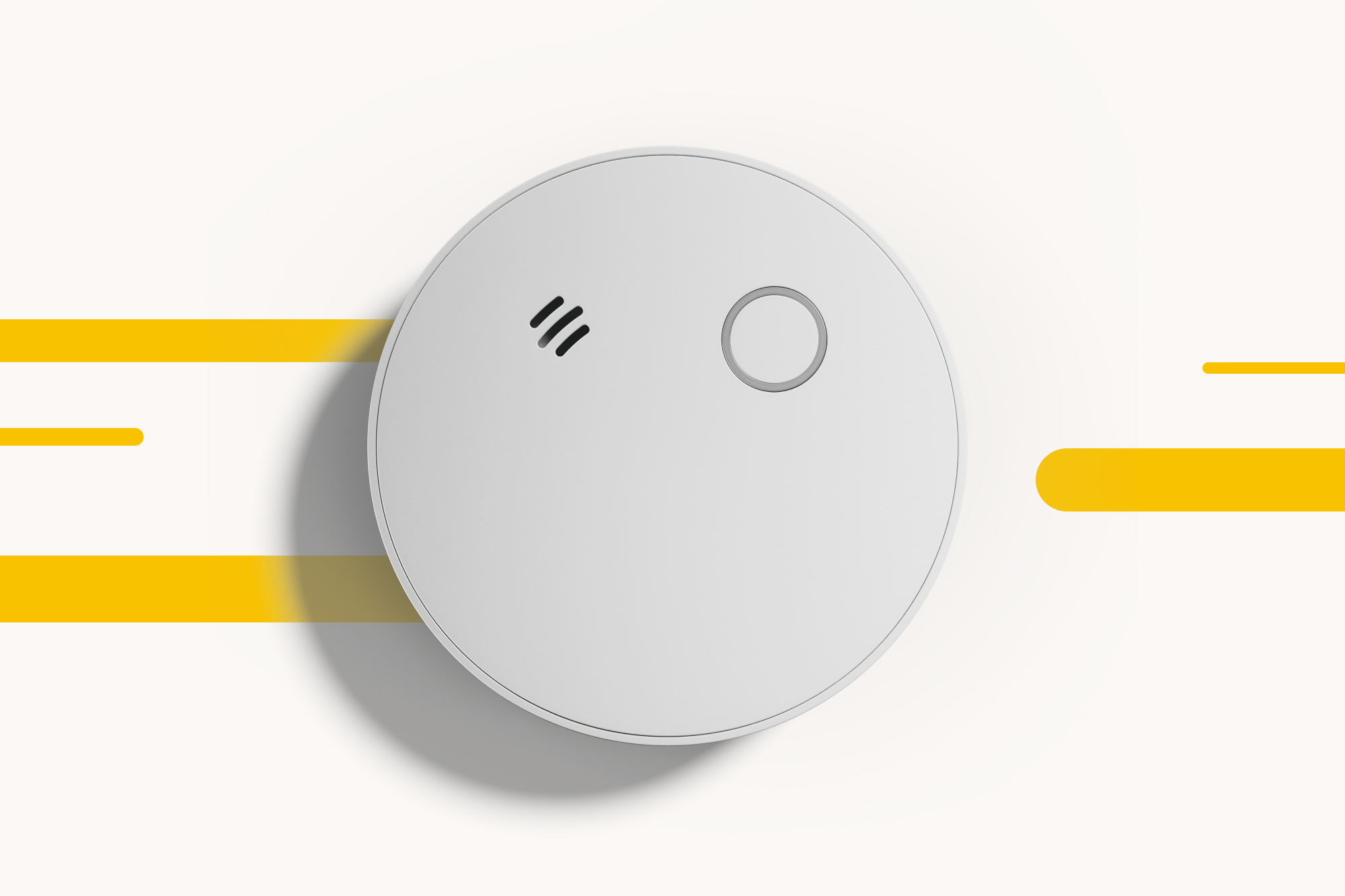
That's where objective, per-property data helps. Minut's privacy-first sensor monitors the environment — noise levels, guest smoking, and occupancy — and alerts you when it detects that something needs your attention. It doesn't use cameras or record audio. That keeps guests comfortable while giving you a clear read on which listings are trending toward a problem.
A few ways this maps to the metrics Airbnb scores:
Protect your rating and cancellation rate. Catching a party or noise issue early means fewer 1-star reviews and fewer forced cancellations.
Enforce policies with evidence. If a guest smokes or throws a party, you get a timestamped record you can send to Airbnb, owners, or neighbors to settle a dispute.
Spot your weak listings. Per-property alerts show which addresses generate the most incidents, so you know where to focus before the next quarterly review.
Tips to achieve and maintain Superhost status
As a professional short-term rental host, the goal is to stay ahead of problems, tighten your processes, and automate the repetitive work so you can keep Superhost status while growing. Here are the strategies that make the biggest difference.
Optimize your Airbnb listing
Your listing is the first impression guests get of your property. A well-optimized listing attracts more bookings and sets the right expectations, which leads to better reviews and fewer issues.
Refine your title and description: use relevant keywords to improve search visibility. Instead of a generic title like "Nice Apartment in the City," try "Stylish Downtown Loft with Balcony & City Views."
Invest in high-quality photos: guests expect appealing listings. Hire a professional photographer, or keep images bright, high-resolution, and focused on key features.
Use a smart pricing strategy: dynamic pricing tools adjust rates based on demand, competition, and seasonality, improving both occupancy and revenue.
Keep your listing accurate: one of the biggest causes of bad reviews is a gap between expectations and reality. Make sure photos, descriptions, and amenities match the property.
Enhance guest experience
With multiple properties, holding a consistent level of hospitality is a challenge. Standardizing key parts of the stay keeps quality reliable and lifts guest satisfaction across your listings.
Add keyless entry:smart locks and digital codes speed up check-in for guests and cut work on your end.
Keep amenities high-quality: fresh linens, good toiletries, fast Wi-Fi, and digital guidebooks all contribute to positive reviews.
Create a digital guest guide: a guidebook with house rules, appliance instructions, and local tips reduces repeat questions and improves the stay.
Automate & streamline your operations
Automation matters when you manage multiple properties. With property management software and smart monitoring, you can run more efficiently and hold a high standard of service.
Use automated messaging: set up automatic replies to common questions to keep your response rate high. Send welcome messages, check-in instructions, and post-stay notes so guests always hear back quickly.
Add property management software: platforms like Guesty or Hostaway centralize bookings, calendars, and task assignments for cleaning and maintenance teams.
Address issues before they escalate: real-time monitoring catches problems early, before they have a chance to escalate.
Avoid cancellations & manage expectations
Superhost status requires a cancellation rate below 1%, so last-minute changes are risky. The best way to avoid cancellations is to prevent problems before they happen.
Set clear agreements with owners: make sure owners understand their responsibilities for maintenance, repairs, and upgrades so surprises don't force a cancellation.
Keep your calendar synced: connect all booking platforms to avoid double bookings and scheduling conflicts.
Be honest about limitations: a transparent listing — including any drawbacks like noise, accessibility, or amenities — prevents disappointment and negative reviews.
Maintain a 4.8+ rating
A high review score is non-negotiable for Superhost status. Since Airbnb requires a 4.8-star average, active reputation management is essential.
Send personalized post-stay messages: thank guests and politely invite them to leave a review.
Respond to reviews professionally: replying thoughtfully to positive and critical reviews builds credibility with future guests.
Hold high cleanliness standards: work with professional cleaners, use standardized checklists, and schedule deep cleans to keep properties in excellent condition.
Go the extra mile: small touches like a welcome basket with local treats or complimentary toiletries stand out.
Smart hosting: the key to Superhost success
Earning and keeping your Superhost status doesn't have to be overwhelming. It's genuinely within your reach: with the right strategies, early action, and smart tools, you can run a smooth operation and give guests the quality stay they expect.
The secret isn't working harder, it's working smarter. By automating routine tasks, tightening communication, and running efficient processes, you can hold Superhost status while cutting the day-to-day stress of property management. With the right tools, you catch issues before they grow and keep your properties running well.
A monitoring tool like Minut can make a real difference. With real-time noise and occupancy alerts, Minut helps you manage properties across a portfolio, lowering the risk of disturbances, damage, and complaints, all while keeping the experience safe for guests and neighbors.







.jpg)