How to get rid of cigarette smell in rentals fast today
This post explores how cigarette odors linger in rental properties, how to remove them effectively, and how smart cigarette smoke detectors help property managers prevent smoking, protect their reputation, and keep every stay fresh.
A guest checks into a non‑smoking apartment. The linens are crisp, the floors sparkle... but the first thing they notice is the stale scent of cigarette smoke. That lingering odor doesn't just detract from the effort you've made in making the apartment look fresh and welcoming;, it's also an operational risk that can slow turnovers, hike cleaning costs, and prompt one‑star reviews that outlive the scent itself.
If you’re wondering how to get rid of a cigarette smell quickly and keep it from coming back, you’re tackling a very persistent residue. And the truth is, how long it takes for that smoke smell to go away depends on how deeply that residue has penetrated your surfaces, and whether you can prevent new incidents while you remediate.
This guide brings together the practical cleaning playbook and the prevention methods that actually work across short‑term rentals, aparthotels, hotels, multifamily, and student housing. We’ll show you how to eliminate the immediate cigarette odor, fix the source, and stop future smoking events before they become a problem.
Why cigarette smells are so hard to remove
Cigarette odor is not just in the air. The reason it lingers is because the semi-volatile tobacco chemicals in the smoke sorb into, and then re‑emit from, walls, carpets, upholstery, dust, and ductwork long after smoking stops.
In practical terms, this is why cigarette smoke damage to walls doesn’t vanish after a quick wash. Residue settles into paint films and drywall, carpets act like reservoirs, and air conveyance systems redistribute the scent of cigarette smoke every time fans run.
So what gets rid of the smell of smoke? A true solution combines source removal, methodical surface cleaning, laundering or replacing soft goods, adequate filtration, and careful HVAC remediation. Air cleaners can help remove cigarette smoke from the air in the short term, and a quality cigarette smoke odor absorber can assist, but prevention is far easier than repeated deep remediation.
How to get rid of cigarette smell in your property
Below is the practical sequence every operator should know before calling in professional cigarette smoke removal companies.
1) Ventilate safely and stop the source
If guests are still in‑house, intervening early reduces how deeply residues embed. In short‑term rentals, remember that Airbnb prohibits indoor cameras but allows disclosed decibel‑only noise monitors and requires transparency about any monitoring devices.
After checkout, cross‑ventilate by opening windows on opposite sides and running fans to exhaust stale indoor air. Pair ventilation with filtration to avoid spreading residue through central systems.
2) Capture particles and odor‑causing gases
To clear the air while you clean, use portable purifiers and, where applicable, improve central filtration. Here’s the simple playbook:
Choose a portable air cleaner with true HEPA for particles and a substantial activated‑carbon stage for odors. Size it to the room and run it on high during turnover, and replace filters promptly after heavy smoking incidents. The U.S. EPA’s guide explains how to select and use air cleaners effectively.
If your property has central HVAC, upgrade to the highest filter rating your equipment safely supports. Run the fan during cleaning to capture disturbed particles and change the filter after the incident.
This approach is practical for smaller operators: place one purifier in the main living area and another in the bedroom that smells the most. Let them run while you clean, then swap in fresh filters after cleaning strong odors.
3) Clean surfaces methodically, then launder or replace soft goods
Cigarette smoke adheres to dust and films on surfaces. Sequential dry/damp dusting followed by wet cleaning can reduce surface residue substantially on the first pass, though repeat passes and dust control are important.
Work top‑to‑bottom as follows:
Dry and damp dust high surfaces, fixtures, and vents to remove contaminated dust without smearing it across walls.
Wet‑clean walls and ceilings using a mild alkaline cleaner or dedicated smoke‑residue product, testing a small area first. For stubborn yellowing, a professional‑grade degreaser can help. Follow with a clean water rinse.
Once fully dry, apply an odor‑blocking sealer/primer compatible with your topcoat to lock in remaining odors before repainting.
Clean the floors. Hard surfaces should be mopped with a product that breaks down nicotine films. Carpets and rugs often act as deep reservoirs, so they make it difficult to eliminate the smell of stale smoke. Repeated hot water extraction can help, but in chronically smoked‑in spaces, replacement is often the best way to truly eliminate odor.
For soft goods like curtains, removable covers, and washable rugs, hot washing within fabric limits helps. Upholstery may need professional cleaning or replacement if the residue is heavy.
4) Remediate HVAC and air conveyance
Replace return filters. Clean supply and return registers and grilles. If there is evidence of contamination of ducts, you should consider professional air conveyance cleaning so the system doesn't emit odor across spaces.
5) Use advanced deodorization only under correct conditions
In units with months or years of indoor smoking, source removal is possibly your only real option. Replace porous materials like carpet and, where substrates remain, apply appropriate sealers before repainting. Cabinetry, window treatments, and even certain appliances may need to be replaced to fully eliminate lingering odor.
The above combination is the best cigarette smoke odor eliminator. There isn't a household spray that will fully remove the lingering particles or embedded smells, so this layered approach is the best way — and a reminder of the time, effort, and cost required to get the cigarette smell out of a house or apartment for good.
Detecting and preventing cigarette smoke in rentals
Standard smoke alarms are designed to detect fires, not policy violations. That’s why, in most cases, cigarette smoke will not set off smoke alarms.
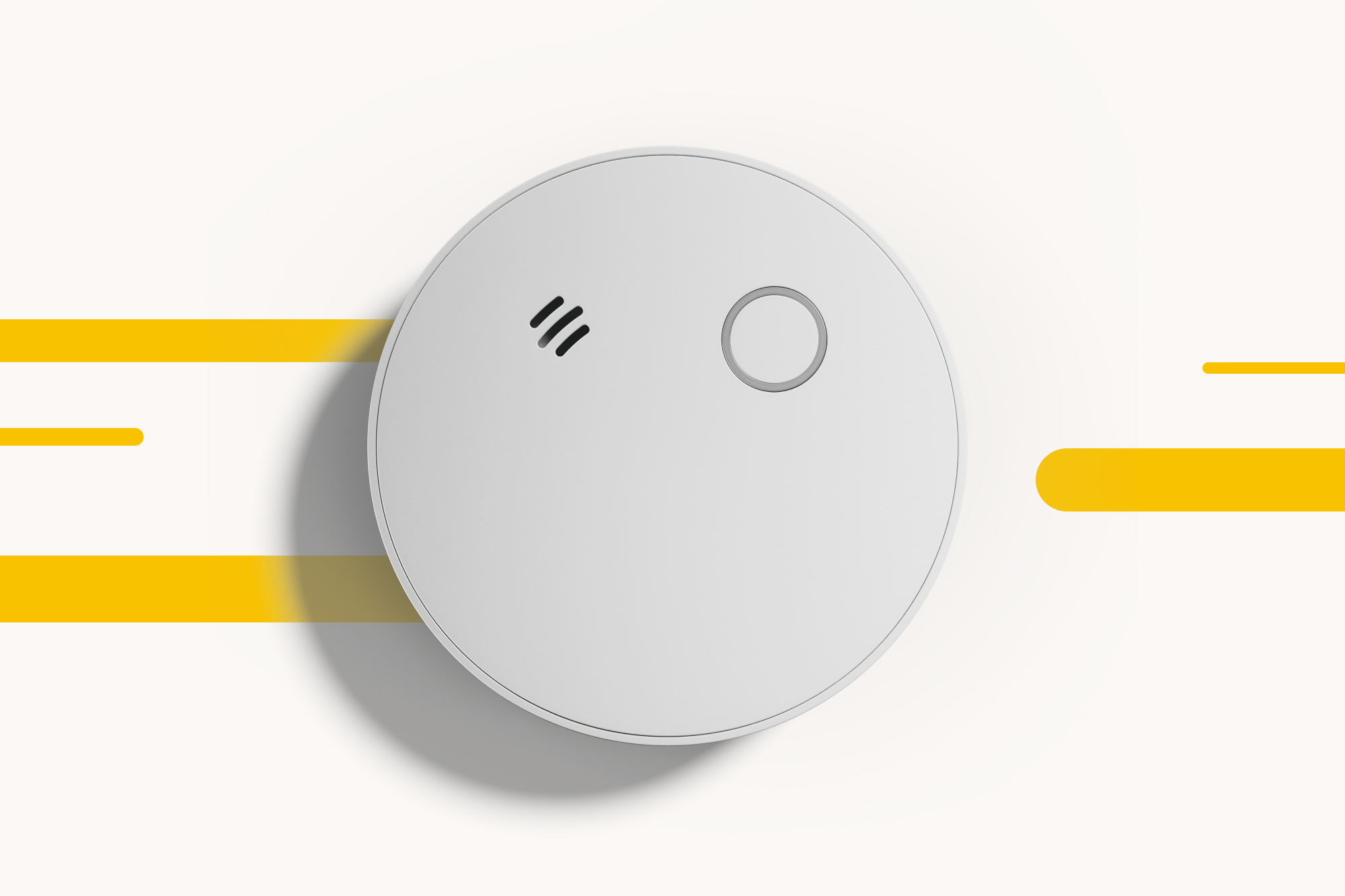
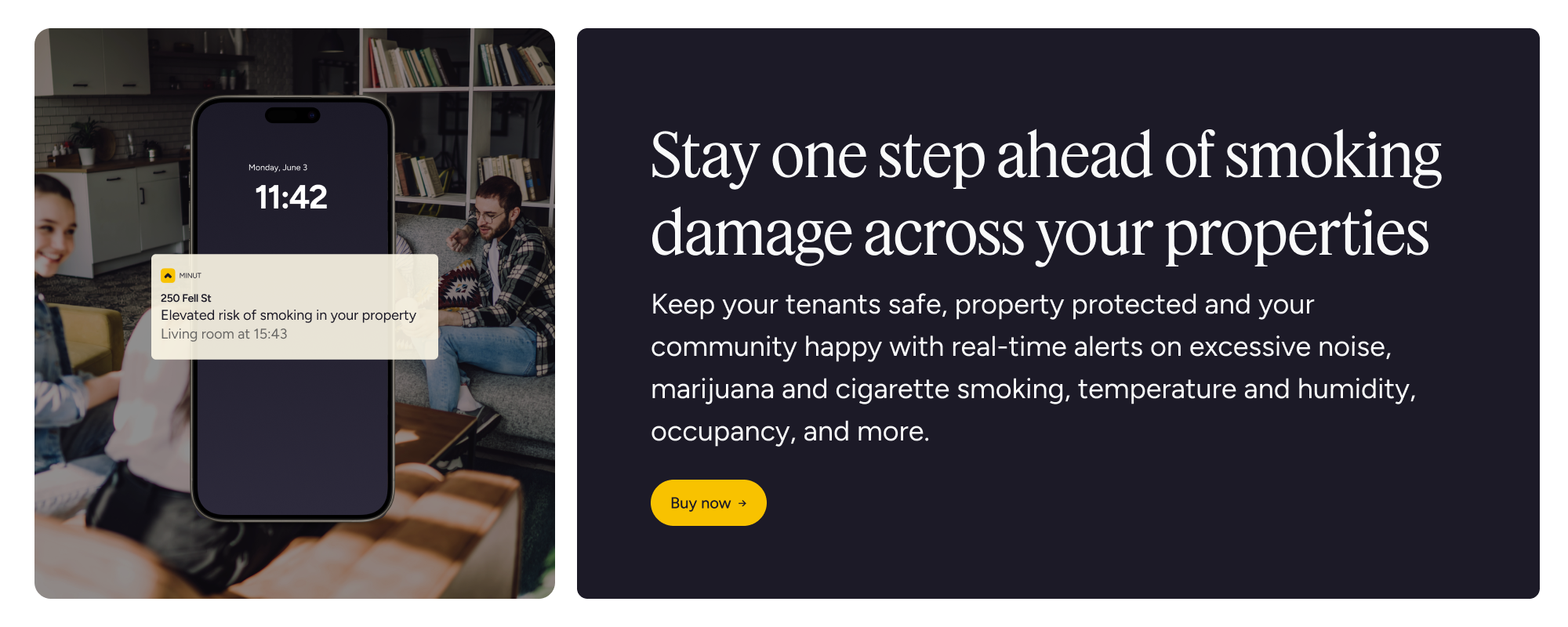
This is where specialized, privacy‑safe sensors help. A purpose‑built cigarette sensor identifies the signature of tobacco smoke and alerts managers in real time, so you can remind guests about house rules and avoid the deeper contamination that requires the extensive cleaning detailed previously.
Modern property technology ties smoke detection to automation. You can:
Receive instant alerts when cigarette smoke is detected in a unit and message guests through your PMS.
Log events for evidence if you need to enforce a fee or document a violation.
Integrate with noise and occupancy insights to prevent parties that often correlate with smoking issues.
Covering up vs removing: why masking smoke odors doesn’t work
It can be tempting to cover up cigarette smell with fragrances, candles, or sprays, but it's not a good idea. For one thing, guests notice. But more importantly, masking does nothing to remove residue from walls, soft goods, or HVAC, so the smell returns.
Gas‑phase sorbents such as activated carbon and certain mineral media can help reduce the scent of cigarette smoke temporarily, and a countertop cigarette smoke odor absorber in a closet may freshen a space. But without removing residues on surfaces and in dust, the underlying problem remains.
Short-term masking methods can also undermine trust, because guests will notice when you're trying to cover up cigarette smell, and they're likely to mention it in their reviews.
Prevention through policy and monitoring
Cleanups are costly and time‑consuming, so prevention should come first.
Start with a clear, property‑wide no‑smoking policy. Partial bans let odor travel through hallways, vents, and shared walls.
Then, add privacy‑safe monitoring. A cigarette smoke detector can alert guests and operators to incidents before small issues become reputational problems. Combine that with clear check‑in reminders, gentle mid‑stay nudges, and a designated outdoor smoking area where feasible. If you do need to enforce fees, documented alerts and historical logs help resolve disputes efficiently. For message templates and fee recovery workflows, see our practical guide to preventing smoking in your short‑term rental.
How long it takes for a smoke smell to go away
In lightly affected units, prompt ventilation, HEPA plus carbon filtration, and methodical cleaning can neutralize odors within a turnover. In units with repeated or chronic smoking, deposits can persist for months or even longer if you don't remove the source. Carpets, in particular, can retain tobacco pollutants that are difficult to remove.
For hotels and aparthotels, keep in mind that partial smoke‑free policies risk cross‑contamination that undermines brand promises. For STRs, the speed of turnovers demands a prevention‑first policy.
Final thoughts: fresh air equals five-star reviews
Cigarette odor management isn’t just about cleanliness. It’s about protecting your property, brand, and guest experience. The best cigarette smoke eliminator is a prevention‑first program supported by rigorous cleaning and privacy‑safe monitoring.
Layer HEPA and activated carbon to clear the air, clean methodically to remove residue, remediate HVAC to stop re‑emission, and seal or replace where needed. Combine that with clear policies, friendly reminders, and reliable detection to reduce recurrence. As guests increasingly value indoor air quality, operators who invest in true cigarette odor removal rather than cover‑ups will see the payoff in fewer offline days, faster turnovers, and stronger reviews.
If you’re building your prevention stack now, consider how Minut's cigarette smoke detection fits alongside your no‑smoking policy and cleaning standards.
FAQs
What’s the best way to remove cigarette smell from a house?
The best way to get smoke smell out of a house is a layered approach: ventilate, run HEPA plus activated carbon air cleaners to capture particles and odor, clean surfaces methodically, launder or replace soft goods, remediate HVAC, and apply odor‑blocking sealers before repainting when needed.
Does cigarette smoke set off smoke alarms?
Not usually, no. Smoke alarms are designed to detect fires. While dense cigarette smoke can sometimes trip them, they aren’t reliable for detecting intermittent smoking events. For policy enforcement, use a privacy‑safe cigarette smoke detector that is built to identify cigarette smoke signatures and alert managers discreetly.
How long does it take for smoke smell to go away?
Light incidents can be neutralized within a turnover if you act quickly, but residues from repeated or chronic smoking can persist for months or longer without source removal.







.jpg)