How two entrepreneurs built a 14-property short-term rental portfolio
After exiting several companies, Danielle and Culin built a 14-property short-term rental portfolio around family life. They share what separates hosts who thrive from those who stall.
Most people think of short-term rental success as a numbers game: buy more properties, charge more, work harder. Danielle and Culin took a different route. After exiting several companies, they wanted income that didn't cost them their son's childhood. Eleven years and more than 5,000 guest stays later, they run 14 properties, coach hundreds of hosts, and once managed a portfolio from Greece with a six-hour time difference and zero glitches.
In this conversation, they talk about how they got started, what separates hosts who thrive from hosts who stall, and where guest expectations are heading. They've got strong opinions on pricing, design, and the "my house, my way" mindset that quietly kills bookings.
If you run rentals, or you're thinking about starting, there's a lot here you can use this week.
From one successful listing to a portfolio
The decision to scale
Danielle and Culin had built and exited companies when they started looking at what to do next. They also had a small child at home and a clear view of what another startup would cost them: being "always building, growing, doing, promoting."
They already owned one successful short-term rental, bringing in $4,000 to $5,000 a month in gross revenue. The math was easy. As they put it, short-term rentals offered "a different way to have enough income to live a life that we love."
How one purchase became three
They committed to scaling in the summer of 2018. What happened next was less of a plan than a chain reaction:
They found an MLS listing and bought it.
The seller owned a nicer property that wasn't on the market. They approached her offline and bought that too.
A wholesaler called asking if they'd sell their cabin. They wouldn't, but Culin called back and asked whether he had any cabins. They ended up with a wholesale deal on top of a mountain, without water. It's now one of their most successful properties.
Three properties in one go. Their verdict: "Don't recommend it." Their usual pace is one to two a year, following the market, with occasional breaks that tend to end when Danielle finds something she loves. Their first-ever Airbnb was in Turks and Caicos, bought after Danielle fell in love with it on holiday.
How to get into short-term rentals without buying a property
Capital is the biggest barrier people cite. Danielle and Culin see three workable ways around it:
Co-hosting: Manage a property for an owner. One of their clients picked up a co-hosting arrangement through a church member, just by networking and getting educated first.
House hacking: Rent part of the home you already live in. Some of their clients cover a million-dollar mortgage by renting out their basement.
Partnership: Pair someone with time and energy with someone who has capital but no time. Two people who couldn't get in alone can get in together.
The industry has matured, and the bar keeps rising
There's a persistent worry that short-term rentals are oversaturated. Danielle and Culin say that it’s the standard that has changed.
In the early days, you could put up a few iPhone photos and get bookings. Guest expectations were low, but so were prices. Prices have climbed, and expectations have climbed with them, especially around cleanliness and turnaround.
The hosts who are succeeding now are the ones who raised their game on hospitality and amenities. Nothing says you can't run a rental casually, but the properties winning bookings don't.
Pricing is a lever most hosts underuse
Know what the algorithm wants
Airbnb is a business. It wants guests to come back and to generate service fees. Most hosts never think about how that shapes search placement, and placement is everything. It works like Google: if you're on page four, you won't be found.
Reviews, professionalism, and pricing all feed into where you land. Small pricing adjustments can move you onto page one, which means more views, more bookings, and more booking velocity. That velocity then pushes you higher. It's a feedback loop, and Culin's background in economics and algorithms from past tech companies is a big part of why they got traction early.
Why a flat rate costs you money
The most common misconception is treating your place as having a single worth. "My place is worth $300 a night" might be true for next weekend, but not for next Tuesday.
Rates shift with demand and timing, which is why hotels and airlines have used dynamic pricing for years.
Run it like the front desk of a boutique hotel
Three disciplines, not one
Danielle and Culin describe short-term rentals as three disciplines working together:
Real estate: Buying the right place at the right numbers.
Hospitality: Acting like the front desk manager of a boutique hotel.
E-commerce: Understanding the algorithm, the pricing, and online distribution.
Most new hosts focus on the first and neglect the other two.
Customer feedback is gold
One habit they carried over from their tech careers is making time every Monday to go through all guest feedback, including private feedback and the "I wish there was a tea kettle" comments. Then they act on it immediately. What needs replacing? What can be added? What needs fixing?
In tech, the faster you respond to a bug, the happier customers are. The same applies to a leaky faucet or a missing blanket.
The "my house, my way" trap
The mistake Danielle and Culin see most from new hosts is treating the rental as an extension of their own home. It shows up as:
A list of 18 things guests must do at checkout
Every cabinet labelled with where everything must go
Refusing to drop the nightly rate below a number that feels right personally
Their advice: "We have to sell the produce off the back of the truck." Change the mindset from "this is my house" to "this is a business and I'm the business manager." You want guests to be respectful, but the relationship is about giving, not guarding.
How design drives bookings
Your photos sell your nights, every day. Danielle compares the platform to online dating: nobody crawls out of bed and posts a photo. You'd shower, do your hair, put on nice clothes. The same effort is needed for your listing.
Where to spend money
Showstopper lights: They don't need to be expensive, but interesting lighting catches the eye and pops off a screen.
Strong color: Great paint colors or accent chairs and sofas draw attention in a thumbnail.
Items guests don't have at home: Basket chairs in a hero image can boost bookings by around 3%, simply because people don't own them and want them.
Small touches that don't show up in photos
Danielle's approach to "surprise and delight" is about taste and touch:
A basket of soft blankets next to the sofa
Biscotti and treats next to the coffee maker
Fuzzy socks in the same colors as the cabin, left out for winter stays
None of it is expensive, and none of it is expected. It moves the stay from "really good" to "really great." One guest photographed her feet in the socks in front of the fireplace, and it ended up all over social media.
The overlooked amenities: views and outdoor space
When Nils asked what hosts still overlook, the answer came back fast: the view.
"The view sells everything. People want what they don't have, and you can't build a view." A mountain or water view is an amenity guests will pay a lot to experience, and most hosts don't think of it that way. They think about the cute house and the extras they added.”
If you can't buy a view, make the outdoor space the experience:
Fire pits
Games
Bistro lighting
Hammocks, which you can check off on Airbnb's amenity list and cost about $35
Even guests who never lie in the hammock respond to the marketing of an outdoor space.
Automation frees you up to be more human
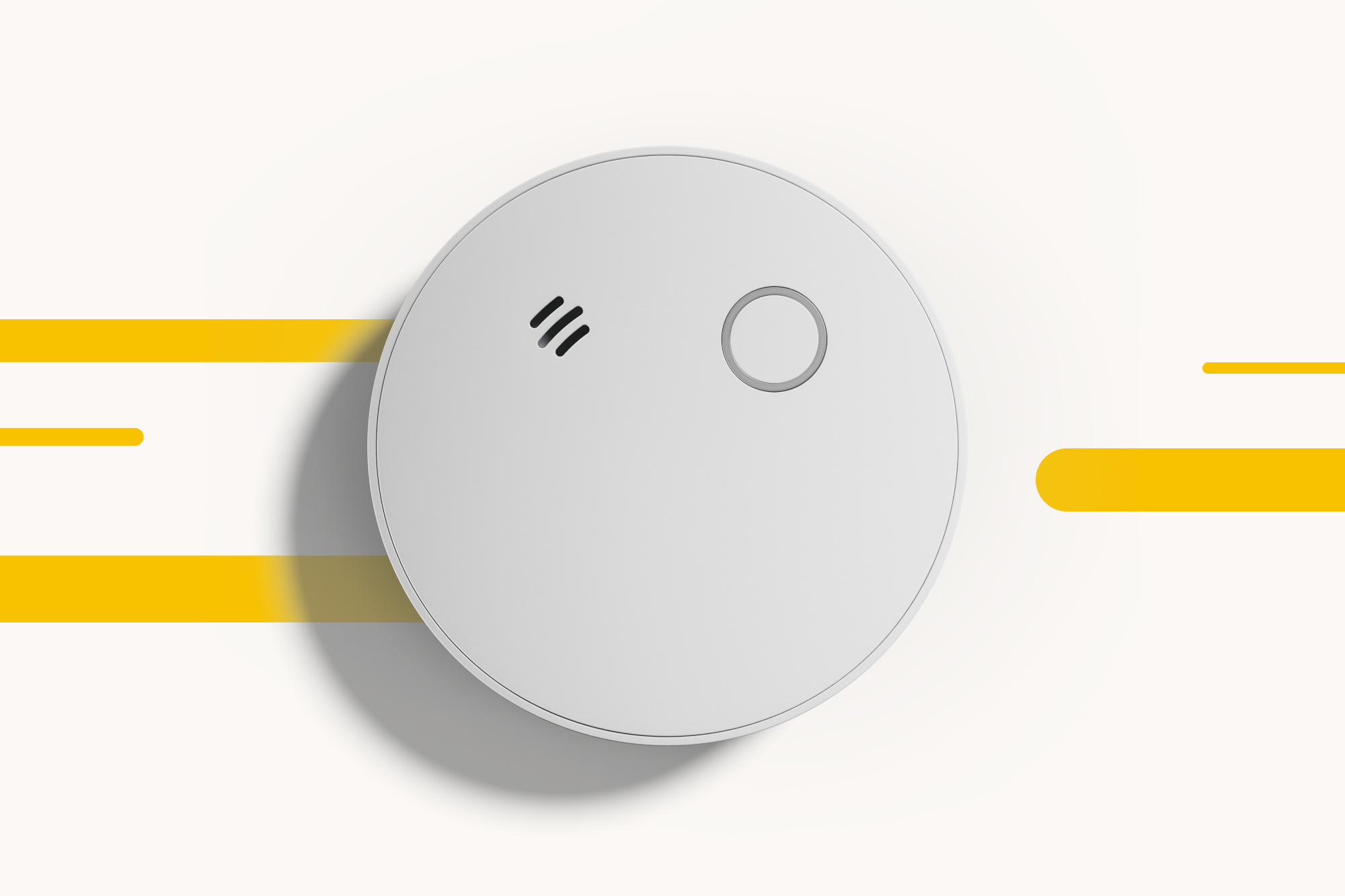
Danielle and Culin's operation is highly automated: dynamic pricing, automated messaging, noise monitoring with Minut, and increasingly AI for guest communication.
The point isn't to remove themselves from the business. It's to free up time for the parts only a person can do. That's how they managed a portfolio of seven properties from Greece, with a six-hour time difference, for a full year.
Why instant answers will become the standard
Danielle has a host buddy programme loaded with where every light switch and appliance is in every cabin. A guest hunting for a light switch at midnight gets an answer in a second. Without that, they'd wait hours for her to wake up.
Her prediction: there will be a gap between hosts using these tools and hosts doing it the old way, and guests will get spoiled by instant answers.
Keep the human parts human
Automation doesn't replace hospitality. Danielle's favorite Airbnb memory is a host in Aegina, Greece, who showed her family how to shell fresh pistachios from his own tree. It cost him nothing, and she felt included in his culture and his garden.
"A robot is never going to replace that." And as Nils noted, the host probably had time for it because automation was handling the routine questions.
What guests want next
Guest expectations keep rising, and the milestones are shifting. Superhost used to be the target. Now, according to Danielle, Guest Favorite is everything.
Beyond badges, she sees guests wanting something a hotel can't give them: a sense of belonging. That means:
Pointing guests to a local bakery or a secret restaurant
Mentioning the farmers market that pops up on weekends
Offering experiences like picking wildflowers or sharing a drink with a local farmer
Stocking local jams in the kitchen
"We stay in Airbnbs, particularly in Europe, because we want to feel like we're part of the neighborhood." A clean, beautiful place in a desirable market is the baseline. Helping guests feel like they belong is what sets you apart.
What they'd do differently
If they were starting again, Danielle and Culin would change a few things:
Prioritise views in the buy box: Their modern-rustic design was distinctive early on, but it's easy to copy. Their properties with breathtaking views are the ones that hold up against competition.
Start sooner: Everyone they've spoken to who succeeded wishes they'd begun years earlier. You can even use IRA retirement funds, tax-free, to invest in a rental that feeds your retirement.
Learn from the right sources: Books, podcasts, coaches, and revenue managers who run properties themselves are all easier to find now. Danielle's one warning: stay away from Facebook groups.
The stories that make it worth it
Every operator has a story. A guest once loved one of their properties so much that he asked them to name a price. They declined, but took it as a compliment.
Culin's favorite stories are about the milestone moments guests choose to spend in their places: proposals, honeymoons, babymoons. When guests tell them in advance, Danielle tucks champagne and small surprises away to be found later.
For Culin, it shows how far the industry has come: people trust short-term rentals with some of the most important moments of their lives.
Key takeaways
Short-term rentals can be a path to freedom, not a second startup grind. The goal is income that lets you live the life you want.
You don't need to buy to begin. Co-hosting, house hacking, and partnerships are all legitimate entry points.
Professionalism is the new baseline. The market isn't saturated, but low-effort listings struggle.
Pricing drives placement. Understand the algorithm and price dynamically rather than by a single "what it's worth" figure.
Think like a boutique hotel front desk manager. Drop the "my house, my way" mindset.
Read guest feedback weekly and act on it right away.
Invest in what photographs well. Statement lighting, strong color, and items guests don't own at home.
Views and outdoor space are underrated amenities. If you can't buy a view, build an outdoor experience.
Automate the routine so you can be human where it counts. Instant answers will become the norm.
Help guests belong. Local recommendations and community touches matter as much as the interior.
Conclusion
Danielle and Culin's story isn't about chasing the biggest portfolio. It's about building a business that fits around the life you want, then running it with enough professionalism that guests keep coming back.
The thread through everything they shared is the same: treat the rental as a business, treat guests as people, and use technology to make room for both. Prices and expectations will keep rising, but so will the opportunity for hosts who pay attention.
💡 Want to learn more about how technology can support safety and operational efficiency in property management? Discover Minut’s privacy-first sensor.