Picture a quiet residential street in Kyoto. Long-time residents live next door to a holiday rental whose host lives across town. Most nights, nobody notices the difference. But one late night with loud music can quickly strain things between a host and their neighbors.
That’s the problem a new pilot in Kyoto City sets out to solve. mui Lab, Minut's authorized partner in Japan, and Airbnb Japan are launching Minut with local property managers. Over a year, the pilot will gather real data on how early alerts help hosts stop noise before it affects the neighbors. It’s Minut’s first formal pilot in Japan, and it builds on the partnership Minut and Airbnb have had for many years.
“Noise is one of the biggest sources of friction between short-term rentals and their neighbors. In more than 100 countries, Minut has helped hosts deal with it early, before it reaches the people next door, and without cameras or recordings. We look forward to seeing it work in Japan together with Airbnb and mui Lab. — Nils Mattisson, CEO and Co-Founder of Minut
Why Kyoto, and why now
Kyoto is one of the busiest tourist cities in Japan. Most guests are respectful, and most hosts take good care of their homes. But it only takes a few noisy stays to disrupt daily life for the people who live there.
What’s missing is local data. Japan has very little research on noise in short-term rentals. This pilot sets out to change that. Short-term rentals keep their place in a city when the community trusts them, and trust is easier to earn with evidence than with promises.
How the pilot works
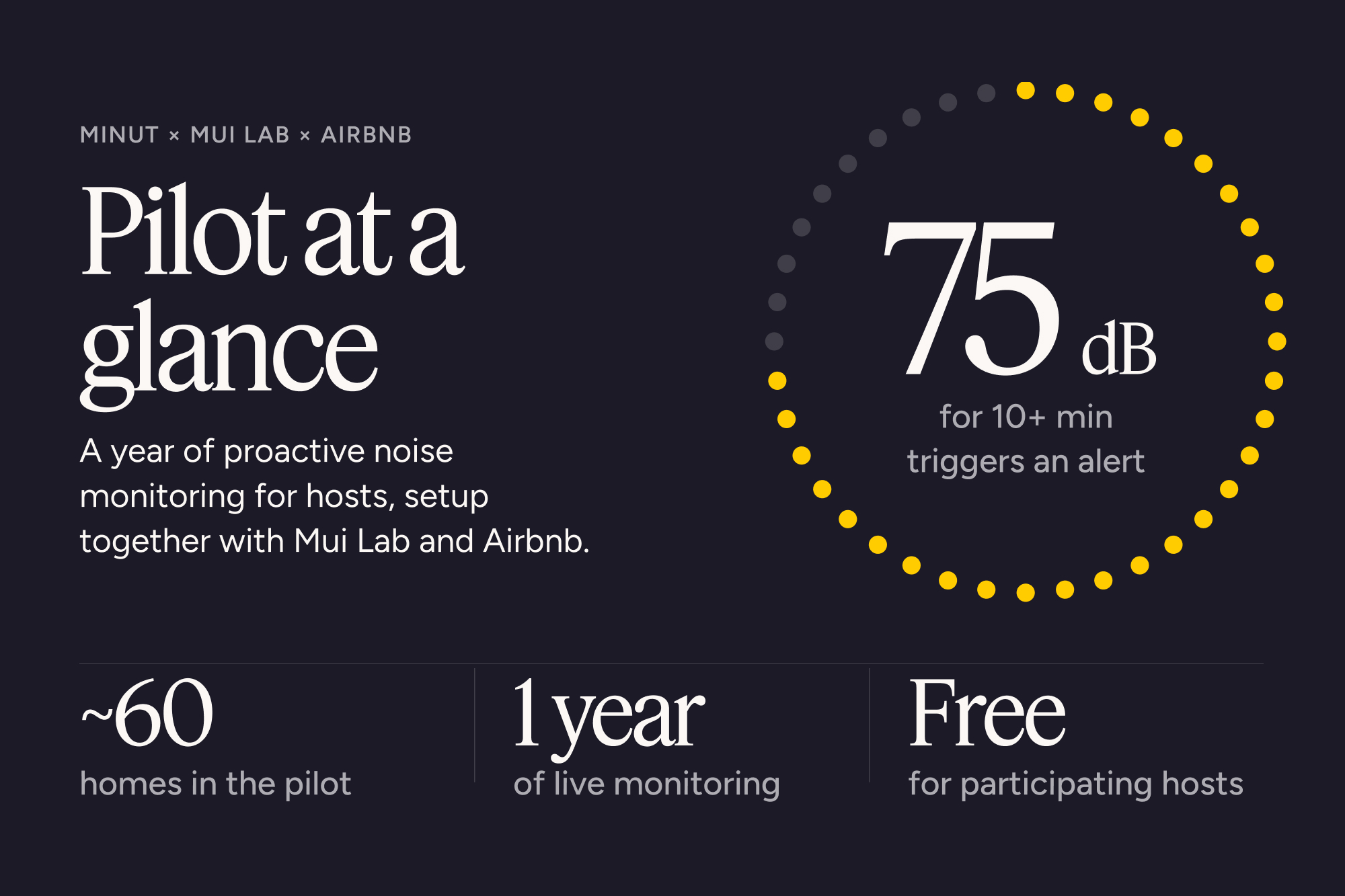
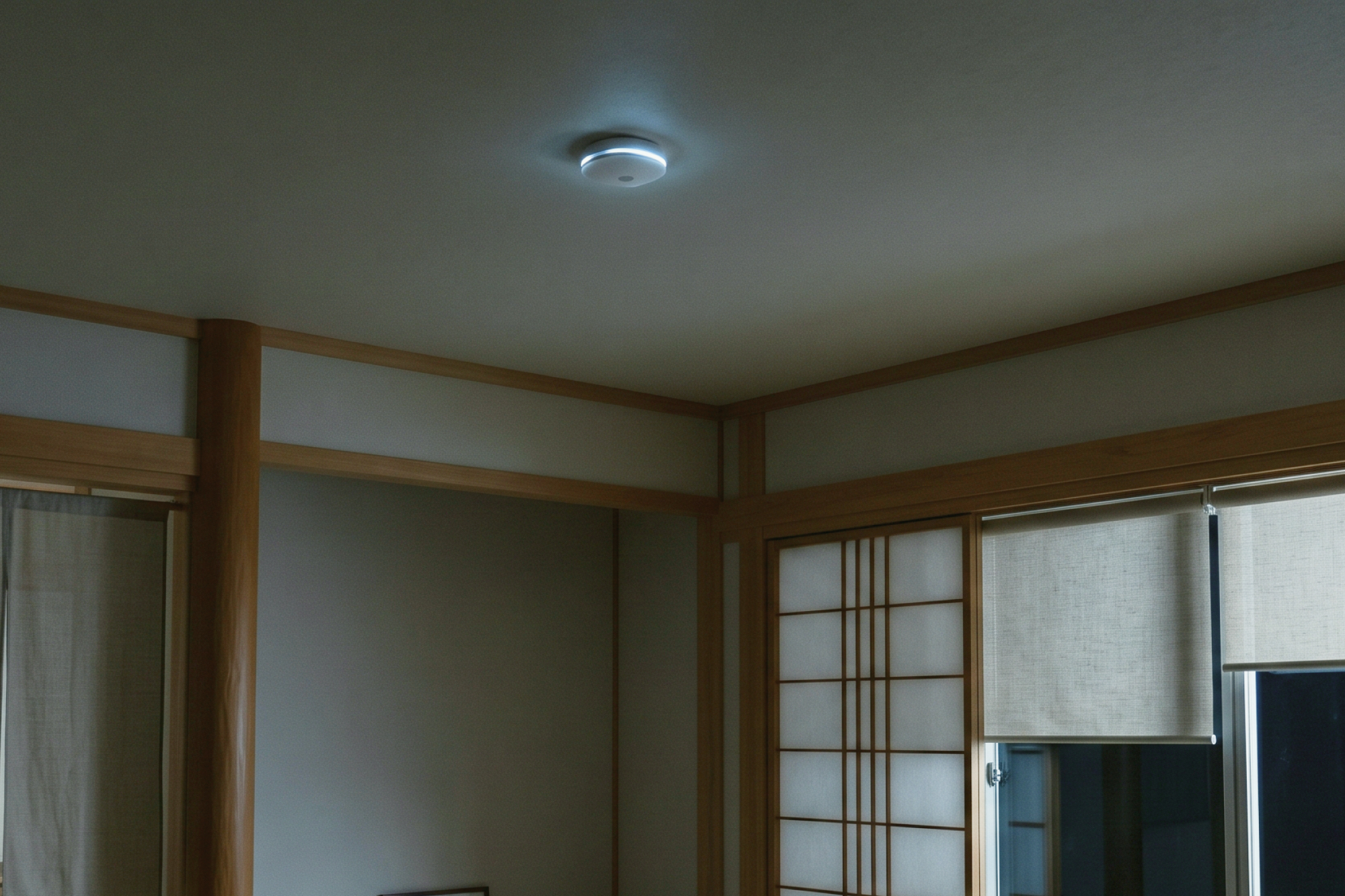
About 60 homes are taking part to start with, and more hosts are still being recruited. Each home gets a Minut sensor, installed in the living room or entrance and never in bedrooms or bathrooms. Devices and a one-year subscription are free for participating hosts.
As a guideline, Minut alerts the host when sound above about 75 decibels lasts for 10 minutes or more. That's roughly the noise level inside a train car. A dropped glass or a loud laugh won't trigger it, and neither will normal conversation. A party that keeps going will.
When an alert comes in, the host can contact the guest straight away, and the noise stops before anyone next door has to complain. Over the year, mui Lab and Airbnb will measure how often noise happens and how quickly hosts respond. The results will feed into practical rules for responsible hosting.
Privacy by design
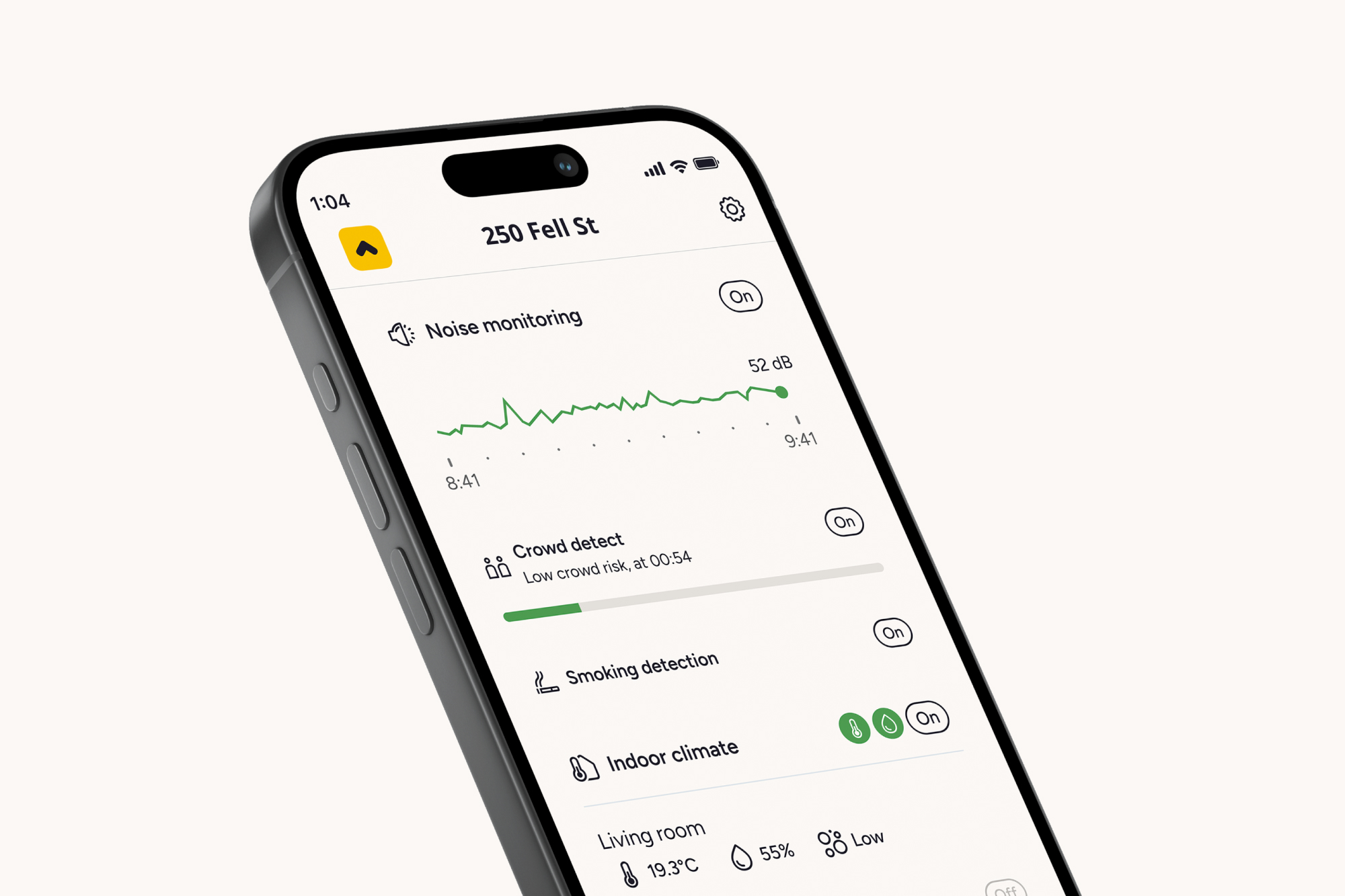
Minut has no camera and doesn't record audio or video. It measures sound level and duration, and it understands activity in a home through infrared presence detection and the number of connected devices. It never identifies who is in a home. Under Airbnb's policy, the sensor is also disclosed on the listing, so guests know it's there.
“What is needed is not a mechanism for monitoring someone, but a mechanism that lets us notice before problems occur.” — Kazunori Oki, Representative Director, mui Lab
Our take: more than a sensor
We think the future of short-term rentals depends on catching problems early, not cleaning up after them. That’s what Minut is built for. It tracks noise and activity in a home while respecting guest privacy. But Minut is more than a sensor. When noise stays above a set level for too long, the host gets an alert, so they can step in before the neighbors are affected.
That approach already works at scale. Minut is used in more than 100 countries and regions and more than 3,000 cities, and it’s offered with Airbnb in more than 60 countries.
What makes Kyoto different is the data. Over a year, the pilot will turn "we take noise seriously" into numbers that hosts, platforms, and city officials can all look at together. It also shows a model we believe in: a local partner like mui Lab providing setup and support in Japanese, backed by Minut's global platform.
What's next
Over the coming year, mui Lab and Airbnb Japan plan to recruit more hosts in Kyoto, expand to other regions of Japan, and share what they learn with local communities. We'll share the results here when they're in.







.png)


.png)