Installing carbon monoxide detectors is one part of making a vacation rental safe. Keeping track of whether they’re working is another, especially when you’re not on site. With guests coming and going and properties sometimes sitting empty, routine checks can be easy to miss.
Smart CO detectors help close that gap, giving hosts and property managers a clearer view of device health without relying solely on in-person checks.
What is a smart carbon monoxide detector?
A smart carbon monoxide detector is a connected, self-testing device that runs regular internal health checks and reports its status to your phone or dashboard in real time. Unlike traditional alarms that rely on someone pressing a test button, a smart CO detector verifies its own sensors and power, then sends alerts if there’s a problem or if carbon monoxide is detected. That combination improves safety while reducing manual maintenance across one or many rentals.
Why traditional carbon monoxide detectors aren’t always enough
Conventional CO alarms work, but they were built for owner-occupied homes where someone is around to press a test button and replace the batteries. Vacation rentals operate differently, opening up a potential safety gap.
Alarms can be non-operational for a number of reasons, such as guests removing the device because they burned toast, batteries dying, or the unit passing its end-of-life date. That’s why having a regular schedule for testing devices isn’t always sufficient; if you check every detector at the start of the month but it stops working the next day, it would be out of action for almost a month before you were aware. Every guest that stayed in that period would be unprotected.
What makes a carbon monoxide detector “smart”?
Smart life-safety devices work the same way as other smart devices: constant status, faster alerts, less guesswork.
Automatic self-testing
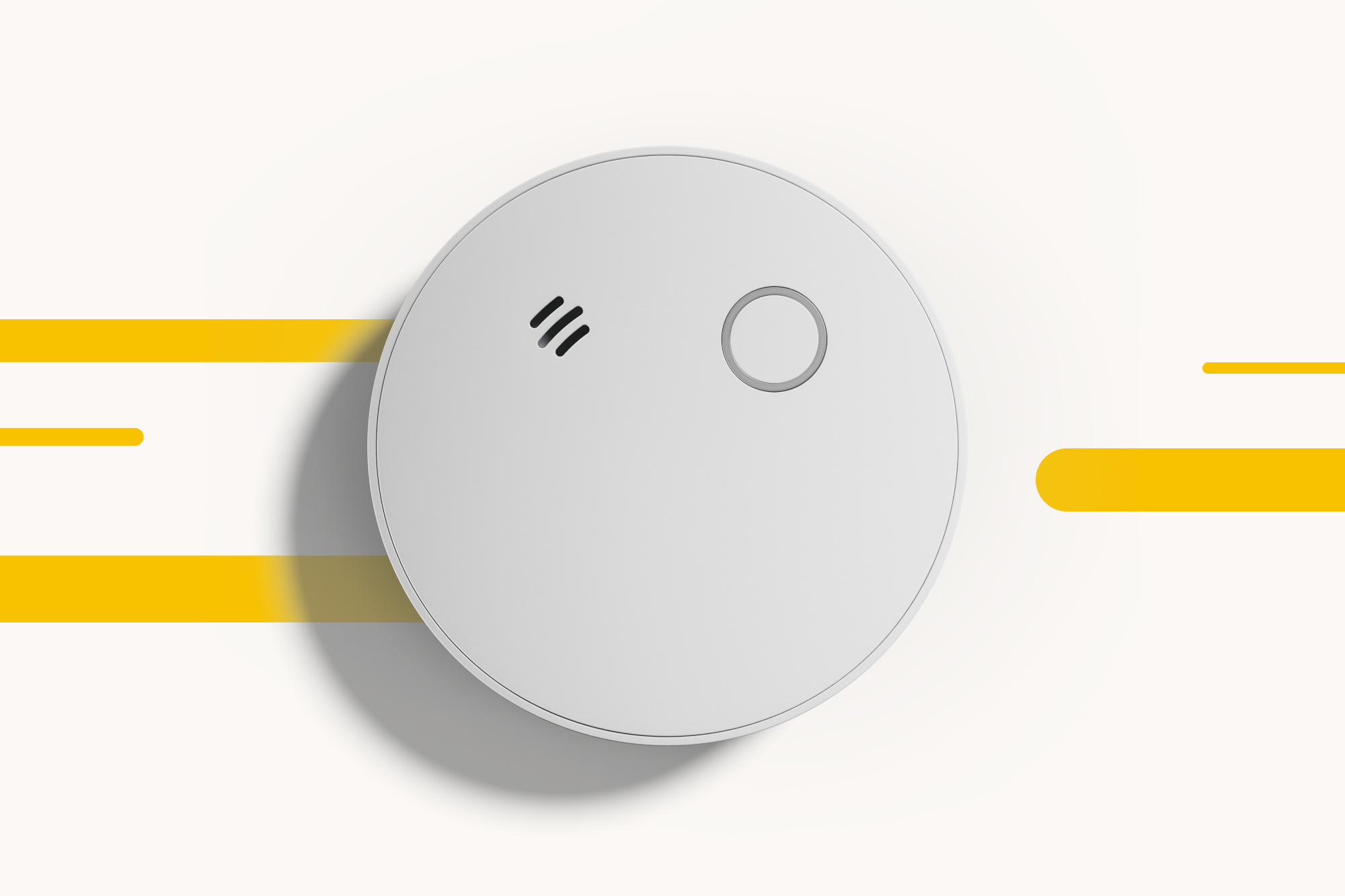
Self-testing CO detectors run scheduled checks on their sensors, power, and communications, then flag issues automatically. Minut A1 is a smart smoke & CO alarm that was designed for short-term rentals, with the capability to automatically test itself between every stay so you know every guest is protected.
Real-time status monitoring
Beyond scheduled self-testing, a smart CO detector can keep you informed about its status. You’ll know if a device goes offline, needs replacing, or detects CO.
Connected safety for modern properties
Beyond intelligent monitoring, the data from smart detectors can also be shown on a dashboard that provides a view of your portfolio. One screen tells you if the garage unit in town passed its self-test this morning and whether the rural cabin has low battery, so you can always see what’s happening at a glance.
Why self-testing matters more in vacation rentals than traditional homes
People who live in owner-occupied homes know that they’re responsible for maintaining safety devices, so if they hear a low-battery chirp or disconnect the unit, they know they need to make it operational again. That’s not the case in short-term rentals, because there’s frequent turnover, guests aren’t familiar with the property, and they can’t be expected to maintain the detectors.
Guests change constantly
New guests arrive every few days. They don’t know your layout or where the alarms live, and they’re not pressing test buttons. Unless you’re manually checking the devices before every reservation begins, you can’t be sure that your guests are protected.
Properties may sit empty between bookings
A guest may check out on Monday and the next guest doesn’t arrive until Friday. If a battery dies on Tuesday, there’s nobody in the property to notice.
Managing multiple properties increases complexity
If you run a portfolio, the challenge is bigger: you have more devices across more properties to inspect, putting a bigger strain on your time. A connected smart CO detector gives you constant access to device status, so you know if everything is working without being on site.
How Minut’s self-testing Smoke & CO detector supports safer vacation rentals
Automatic self-testing for greater confidence: The A1 detector runs continuous health checks and reports status to your dashboard. If a device goes offline or needs a battery swap, you’ll know straight away.
Smoke and carbon monoxide protection in one device: One certified unit covers both risks.
Built for remote property management: The same app many hosts already use for monitoring smoking, noise levels, temperature and humidity now also shows life-safety device health in one place.
Automatic compliance logs: Every time A1 runs a test, sounds an alarm, or flags an indoor climate event, it logs it so you’ve got a record.
Interconnect multiple alarms: If you’ve got multiple A1 devices, you can interconnect them so that if one detects a hazard, all of them will sound to notify guests in the entire property.
Smart carbon monoxide detector buyer’s checklist
Use this short list when you evaluate options for your rentals:
Automatic self-testing with clear pass/fail logs
Certified carbon monoxide detection
Integrated smoke detection if you want a single device
Real-time mobile notifications for alarms and device health
Simple installation that fits your property types
Battery status monitoring and long-life or backup power
Clear replacement and end-of-life guidance
Purpose-fit features for vacation rentals and multi-property use
Remote management through an app or dashboard
Conclusion
Installing a carbon monoxide detector is step one, but keeping it working is the real job. Traditional alarms rely on people being present, remembering to test, and noticing problems. A self-testing, connected approach makes it practical to maintain life safety across one home or a hundred, without being on site.
Minut’s self-testing Smoke & CO detector was built around that reality. Add it to the safety stack you already use to stop noise early, spot crowding, and document incidents. Safer, better-prepared rentals start with devices that take care of themselves, and tell you when they don’t.
Smart carbon monoxide detector FAQs
How does a self-testing carbon monoxide detector work?
Self-testing carbon monoxide detectors run scheduled internal diagnostics on the CO sensor, power source, and communications module. Results are logged and pushed to your app or dashboard, flagging issues automatically so you can act before the next check-in.
Are smart carbon monoxide detectors better than traditional detectors?
Whether smart carbon monoxide detectors are better than traditional detectors depends on the context. Traditional detectors do the important job of letting occupants know if carbon monoxide has been detected. But smart detectors add capabilities like self-testing and real-time remote notifications. Minut A1 was designed for short-term rentals, so it can automatically test itself between bookings.
Why are self-testing detectors useful for vacation rentals?
Unlike owner-occupied properties, vacation rentals don’t have a permanent resident who knows they’re responsible for maintaining the devices. Self-testing fills the verification gap between stays and creates a timestamped record you can use for compliance or claims.