How poor indoor climate leads to mold, property damage, and tenant complaints
Poor indoor climate causes mold, property damage, and tenant complaints. Learn how temperature and humidity impact rentals and how to prevent issues early.
If you’ve ever walked into a “clean” unit that still smells musty, you’ve met the problem: poor indoor climate. It can creep in during vacancies, between inspections, and through small daily habits like long showers with the fan off. By the time tenants complain or you spot a stain, sustained heat-and-humidity conditions have already caused the damage.
This guide lays out what poor indoor climate is, how it creates mold and hidden damage, why complaints show up late, and how continuous monitoring stops the spiral before you’re paying for remediation, refunds, or both.
How poor indoor climate causes mold and damage in rentals
Poor indoor climate happens when temperature and humidity stay in the wrong range for too long. Sustained high humidity leads to mold and condensation, which in turn warps wood, bubbles paint, and degrades materials. It can happen to any property, but rentals that sit vacant or don’t have daily oversight can be especially at risk.
What a poor indoor climate means in rental properties
Indoor climate is the pattern of temperature and humidity over time. It’s not one steamy shower or a single hot afternoon. Problems start when temperature and humidity stay at unhealthy levels for days. The difference between comfort and damage often comes down to how long those temperature and humidity levels persist.
Comfort thresholds keep guests or tenants happy. But for landlords and property managers, indoor climate is an important part of long-term property maintenance. Small temperature and humidity problems can become expensive repairs when they persist unnoticed.
Why rentals struggle more than owner-occupied homes is simple: properties are more likely to sit empty, ventilation get skipped, thermostats cranked to extremes, with no one watching trends. Between stays, heaters may get turned down too far in winter, leading to cold surfaces where moisture condenses. In summer, A/C runs hard, then shuts off, letting warm, humid air in. That fluctuation sets the stage for dampness in apartments and homes that look spotless but aren’t healthy inside.
Comfort vs risk: simple thresholds to guide decisions
Category
Target range (typical)
Risk signal (sustained)
What to watch
Guest/tenant comfort
68–74°F, 30–50% RH
Below 64°F or above 78°F for days
Tenant comfort and indoor air quality complaints
Mold risk
30–50% relative humidity (RH)
≥60% RH for 24–48 hours
Musty smells, spots in corners or closets
Condensation risk
Surfaces above dew point
Cold exterior walls + high RH
Window sweat, bubbling paint, warped trim
Freeze risk
Above 40°F in winter vacancy
Near-freezing rooms or crawl spaces
Pipe bursts, hidden water damage
These aren’t hard-and-fast codes, but they’re effective guidelines for indoor climate in rentals. The point is to manage sustained trends, not chase every blip.
How poor indoor climate leads to mold growth
Mold needs moisture, time, and a food source. Drywall paper, wood subfloor, carpet backing, and dust all qualify. The biggest controllable driver is humidity. When relative humidity stays at or above 60%, microscopic moisture films form on surfaces, especially where air doesn’t move. That’s why mold growth often begins where you’re unlikely to see it: behind walls on cold exterior sides, in closet corners, under furniture sitting flush to the floor, or beneath luxury vinyl where a small leak or wet mopping traps moisture.
Mold in rental properties often shows up after a tenant or guest leaves. You air the place, and suddenly the smell hits you. Why? During the stay, bathrooms and kitchens see constant steam; the fan may stay off because it’s “noisy,” laundry runs back-to-back, and doors to the balcony left open while the A/C runs. Those patterns raise humidity. When the property sits closed up for two empty days, spores have the opportunity to spread.
Common triggers that get missed:
Bathrooms and kitchens without fans running long enough to clear moisture.
Laundry areas where doors stay shut after a cycle.
Poor airflow in corners and behind large wardrobes or headboards.
Cold exterior walls are another culprit. In winter, warm humid indoor air meets cold drywall. If your indoor climate holds high humidity, you’ll see condensation at the baseboard line or behind furniture.
How indoor climate causes property damage beyond mold
Moisture doesn’t stop at mold. Materials like drywall, MDF trim, wood flooring, and soft furnishings are hygroscopic, meaning they naturally attract moisture from their surrounding environment to collect on their surface or soak into them.
Over time, high humidity swells cabinet doors and baseboards. Finishes fail. Condensation on windows and cold walls leads to staining and flaking paint. This classic condensation damage looks like “old building” even if your renovation is two years old.
The frustrating part is that this damage is usually discovered late. Guests won’t write “your relative humidity is persistently above 60%.” They’ll say “bedroom smells damp,” or they just won’t rebook. By the time you open a wall, the damage has multiplied. If you’ve ever torn up cupped hardwood, you know what “property damage from moisture” really costs.
Why a poor indoor climate leads to guest and tenant complaints
As noted above, guests and tenants rarely diagnose the real issue. Instead, they report outcomes:
“Musty smell in the primary bedroom”
“Feels cold and damp at night”
“Air felt stuffy”
The downstream effect is that tenants and guests are uncomfortable. They start using space heaters or portable humidifiers to fix their comfort, unknowingly pushing your temperature and humidity levels even further off target. Over time, these repeated complaints can affect reviews and renewals.
And, because symptoms show after problems harden, the feedback loop is slow. That’s why properties with repeating “smell” comments or comments about poor indoor air quality often end up with surprise remediation quotes later.
Indoor climate risk zones in residential rentals
Every building has hot spots. Bathrooms are the obvious ones, especially small en-suites with weak fans. But kitchens and laundry areas produce steam and can trap it behind closed doors. Basements and storage rooms run cool, which is fine until humidity rises and dew point sneaks up on you. Watch exterior-corner bedrooms where a bed sits tight to two cold walls.
Summer humidity can make apartments with poor ventilation, upper-floor rooms, or coastal locations tricky to manage. Winter vacancy in cold climates flips the script: if thermostats sit too low, surfaces cool, humidity looks “fine,” and then you spot paint blistering a month later.
That’s why regional climate matters. Cold climates bring long heating seasons and big indoor-outdoor deltas that push condensation on exterior walls. Humid regions and coastal areas demand tighter humidity control in apartments and single-family rentals alike. So if you run a mixed portfolio, it pays to set different indoor climate rules by region and season.
Why manual checks and thermostats aren’t enough
Manual inspections are valuable, but they’re infrequent and reactive. If you only visit on turnovers or quarterly walks, you’re sampling. You won’t see the 10 days last month when RH sat at 65% in the north bedroom. A classic programmable thermostat won’t help either, because it reads temperature and not humidity trends. You need the sustained picture.
Monitoring indoor climate proactively
Indoor climate monitoring shifts you from guessing to knowing. With continuous temperature and humidity data, you get early warnings when conditions head into mold territory. You can also begin spotting patterns, whether it’s one room that stays damp every winter or humidity rising after a ventilation problem develops.
It’s not just about one alert. It’s about tying short-term alerts to long-term insights. Short alerts let you act quickly: message guests to run the fan longer, send a tech to fix an exhaust hood, or nudge the heating up a couple of degrees in a vacant winter unit. Long-term trends let you plan work: add a dehumidifier to the basement, balance airflow in a corner bedroom, or schedule weather-stripping before shoulder season.
How Minut supports indoor climate monitoring
Property operators want a clear signal and a timestamp they can use, if needed, in a platform dispute. That’s exactly how Minut approaches indoor climate:
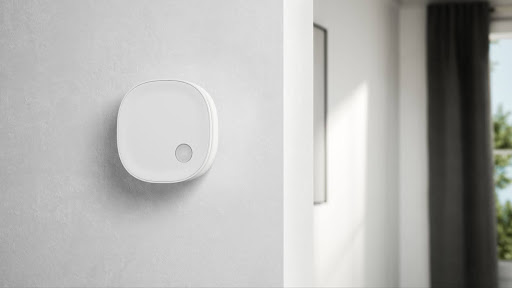
24/7 monitoring of temperature and humidity with alerts when conditions exceed safe thresholds.
Detection that focuses on sustained humidity, not quick spikes from a single shower.
Early warnings before mold growth, freezing damage, or overheating can take hold.
Portfolio-wide visibility across single homes, multi-unit buildings, and mixed-region portfolios.
Preventing mold and damage without invading privacy
Privacy matters in residential rentals because monitoring should protect the property without making tenants feel watched. Indoor climate monitoring is privacy-safe because it watches temperature and humidity, not people. No cameras, audio recordings, or personal data. The sensor reads environmental conditions and gives you a timestamped alert. That record helps you act quickly, and if a claim is needed, it’s evidence.
Clear, disclosed indoor climate monitoring also supports your duty to provide a habitable home. If you manage long-term rentals, you already know how landlord responsibilities tie into safety and health.
Using indoor climate data to reduce long-term costs
Indoor climate data helps property managers respond earlier and plan maintenance more effectively. Small problems are easier to fix before they become emergency callouts, while consistent humidity control helps reduce unnecessary energy use and extends the life of furniture and finishings.
Combining occupancy awareness with a smart thermostat provides data for more proactive maintenance planning. If the same unit repeatedly crosses humidity thresholds, it can be prioritized for inspection. Or if one building has recurring condensation damage, the thresholds can be adjusted season by season.
Scaling indoor climate monitoring across residential portfolios
If you run multiple units or properties, the challenge isn’t monitoring one home: it’s standardizing indoor climate across dozens or hundreds with different exposures and guest patterns. You’ll want a single dashboard, per-building and per-region thresholds, and a way to roll up alerts so you work the highest-risk units first.
For multifamily teams, baseline operational hygiene now looks like this:
Set winter and summer profiles by region.
Keep winter setpoints high enough to avoid cold-surface condensation in vacant units.
In humid summers, give apartments with exterior corners tighter humidity thresholds and more aggressive alerts.
Document indoor climate in your SOPs next to access, cleaning, and noise.
When you’re ready to wire indoor climate into your PMS and analytics, look for solutions that can share temperature and humidity data for real reporting.
Conclusion
Mold and material damage don’t appear out of nowhere. They start with indoor climate patterns that run just a little too warm and a little too humid for just a little too long. Complaints are the last warning sign, not the first, and they usually won’t specify the problem directly. Fixing indoor climate early protects guests, properties, and long-term value. Continuous indoor climate monitoring gives you early alerts and long-term trends to prevent costly problems without invading privacy.
FAQs
What is considered a healthy indoor climate in rental properties?
Aim for 68–74°F and 30–50% relative humidity during occupancy, with RH kept under 60% at all times. Focus on sustained trends rather than brief spikes to keep indoor air quality stable and surfaces dry.
How does poor indoor climate cause mold in rental properties?
Sustained high humidity leaves microscopic moisture on surfaces, especially in cold corners and behind furniture. Given time and a food source like drywall paper or dust, spores colonize. Managing indoor climate cuts the moisture mold needs to grow.
What indoor humidity level causes mold to grow?
Risk rises sharply at or above 60% RH sustained for 24–48 hours. Keep RH in the 30–50% band to limit mold growth causes and protect finishes.
Can indoor climate issues lead to guest complaints and bad reviews?
Yes, musty smells, cold or damp rooms, and “stuffy” air are classic moisture-related complaints. They’re symptoms of poor indoor climate and often precede visible damage.
Why are rental properties more vulnerable to indoor climate problems?
Vacancy periods, inconsistent heating and ventilation, and limited daily oversight let high humidity and temperature swings persist unnoticed. That’s why rentals benefit from continuous indoor climate monitoring between checks.
How can landlords monitor indoor climate remotely?
Is indoor climate monitoring necessary even if a property looks fine?
Yes. Clean-looking homes can hide elevated humidity behind walls or under flooring. Monitoring catches risky trends before they turn into visible mold or warped materials.
Does indoor climate affect guest health and comfort?
Absolutely. Stable temperature and humidity improve comfort, sleep, and perceived indoor air quality.