See why student housing noise complaints often happen after office hours and how around-the-clock visibility helps operators respond faster, improve resident satisfaction, and reduce recurring disturbances.
If you’ve ever been woken by a resident assistant calling to complain about loud late night music, you already know student housing doesn’t run on office hours. Social calendars peak at night and on weekends, residents keep different schedules, and buildings stay active long after the management offices close.
This is why dealing with student housing noise complaints is fundamentally different from those in traditional residential properties. Where residential properties usually quiet down overnight, student housing often gets louder. Yet there are fewer staff on-site to spot problems as they happen.
By the time teams hear about a disturbance the next morning, sleep has been lost and residents are frustrated. The fix isn’t more next-day paperwork — it’s earlier awareness. When operators gain continuous visibility, they can intervene sooner, reduce disruption, and prevent repeat issues across the portfolio.
Student housing noise complaints are common because student life runs late, buildings are dense, and small incidents can easily carry through floors and shared spaces. Most disturbances happen after-hours, so traditional workflows based around a 9-5 schedule miss them. Around-the-clock visibility closes that gap, alerting teams in real time so they can de-escalate quickly and cut repeat complaints before they spread.
Why student housing experiences more after-hours noise complaints
Student communities are vibrant by design. That vibrancy is an asset for leasing, but a challenge for sleep. Let’s look at some of the realities that drive nighttime complaints.
Student lifestyles don’t follow office hours
Late-night studying, impromptu get-togethers, and weekend activities push peak noise into the hours when offices are closed. Different students in the same building may be sleeping, studying, socializing, or coming home within the same few hours. So a common room that feels perfectly reasonable to one group at 11p.m. may be directly affecting someone trying to sleep on the floor above.
High-density living increases disturbances
Student accommodation concentrates a large number of residents into relatively small areas. Shared walls, shared kitchens, and stacked floors amplify small spikes in volume. In high-density settings, even footsteps in corridors or a speaker left near a party wall can carry into several surrounding rooms. The result is that noise can affect more people than you might realize than if you were in a lower-density residential setting.
Small incidents can affect entire buildings
Because noise spreads, each minute of overage creates more negative touchpoints and more follow-up work for the housing team. So even small disturbances can create a much larger operational ripple effect when they aren’t identified early.
Why overnight noise is harder to manage
After-hours complaints aren’t harder because they happen late. They’re harder because the systems and staff available to respond are often much more limited.
Limited staff coverage overnight
Offices are closed. Overnight teams are smaller. Without alerts, they rely on chance walkthroughs or a call from a resident who may not report until the disturbance is already winding down. The first time management hears of it is often the next morning, when the opportunity to stop the noise has passed.
Complaints often arrive after the disturbance
Residents understandably prioritize sleep over filling out forms at 1 a.m. Many submit tickets after class the next day. That means no real-time context, thin evidence, and longer investigations. Meanwhile, the resident who was disturbed is already annoyed, creating friction in community meetings and online reviews. In student housing, noise-related issues can represent roughly 25% of all grievances, with clear knock-on effects for NPS and renewals.
Multiple buildings make visibility more difficult
Regional and campus teams often cover several residence halls. You can’t be on five floors across three buildings at once. Without portfolio-wide visibility, you triage blind. One building may be quiet while another is spiking, and the window to intervene is minutes, not hours.
What around-the-clock visibility changes
Continuous awareness doesn’t mean hovering over residents. It means catching the moment when noise levels are getting excessive, and stopping the situation before it becomes a disturbance and complaints.
Faster awareness leads to faster response
When you know that a lounge crossed your quiet-hour threshold, you can act while a quick text or knock can still make a difference. Instead of investigating the issue the following morning, teams have the chance to respond while it’s still happening, reducing the number of residents affected.
Teams can prioritize incidents more effectively
Not every spike is equal. A door slamming or a brief burst of group laughter is different from sustained elevated music at 1 a.m. Real-time visibility helps on-call staff distinguish between these short, harmless spikes and disturbances that warrant outreach, so limited overnight resources can be directed where they are most useful.
Earlier action prevents repeat complaints
Visibility is useful beyond the individual incident. If the same common room or floor repeatedly causes disturbances, teams can identify the pattern and address the underlying issue rather than treating every complaint in isolation.
That might mean reinforcing quiet-hour expectations or reviewing how a common room is being used. Over time, this gives operators a clearer picture of where and when problems are most likely to occur.
How privacy-first monitoring supports student housing operations
Student housing leaders care deeply about resident privacy. Visibility can’t come at the cost of surveillance. The good news is you don’t need cameras or audio to run an effective operation.
Visibility without cameras
Privacy-first sensors measure noise levels, not conversations or identities. That distinction is particularly important in student accommodation, where operators need to manage shared environments while respecting the fact that they are also people’s homes.
Respond based on real-time alerts
Immediate, threshold-based alerts give staff the “heads up” they’re missing overnight. Many teams add an automated, low-key message — “Hey, noise in the common room is running high, please keep it down for your neighbors” — which resolves most incidents before they escalate. Alerts also create a timestamped record, which is valuable for conduct meetings, RA reports, and documentation when disputes arise.
Better oversight across every property
A central view across buildings lets operations leads spot recurring hotspots and align staffing to actual risk periods. For regional teams juggling multiple halls, this is the difference between being reactive and being ready.
How Minut helps student housing teams stay ahead of noise complaints
Minut is built for operators who need real-time awareness without cameras or audio, monitoring the environment and giving teams the context to act early, consistently, and at scale.
Instant noise alerts
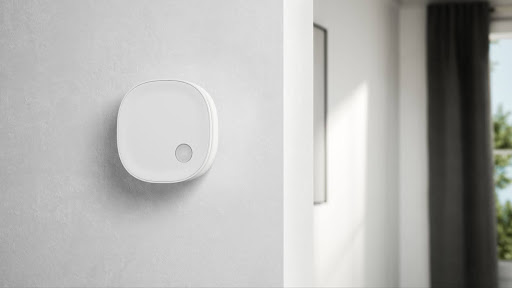
Minut’s sensor detects sustained decibel levels and patterns associated with parties. When a threshold is crossed for a sustained period of time, a real-time notification is sent to the right on-call channel. Many operators also enable gentle, automated reminders to residents for earlier intervention.
Privacy-first technology
There are no cameras and no audio recording. The device measures decibel levels, just like a sound meter, so teams can protect quiet hours without monitoring individuals. For students, that privacy stance builds trust. For operators, it avoids the complexity of managing personally identifiable recordings.
Centralized property monitoring
Portfolio dashboards a live, building-by-building view. You can compare patterns across halls, flag outliers, and align RA rounds, courtesy patrols, or staffing to the windows that actually matter. That standardization is part of why scaled programs see fewer complaints and cleaner handoffs between shifts.
Student housing is active around the clock. That’s part of its appeal but also its challenge. Overnight disturbances don’t wait for office hours, and next-day responses arrive too late for the people who lost sleep.
Continuous, privacy-first visibility closes that gap. When teams know about issues as they start, they act sooner, reduce disruption, and cut repeat complaints. Minut gives student housing operators that awareness without cameras or audio, along with a timestamped record that supports consistent operations. The result is quieter nights, fewer tickets, and a calmer community.
Student housing noise complaints FAQs
Why are student housing noise complaints so common?
Student life runs late, buildings are dense, and small spikes in volume carry through shared walls and floors.
How should student housing managers handle overnight noise complaints?
Use real-time, threshold-based alerts to catch issues early, send a polite first nudge, and follow with a quick in-person check if levels persist. Document the incident with timestamps and apply consistent conduct steps if behavior repeats.
What causes most student housing noise complaints?
Late-night social gatherings, common-room activity, and corridor traffic are typical. Construction and equipment noise can also be drivers, especially during renovations.
Why is around-the-clock visibility important in student accommodation?
Most incidents happen after-hours. 24/7 visibility alerts teams in the moment, so a quick message or knock can end the disturbance before it spreads to multiple units.
How can student housing operators reduce recurring noise complaints?
Act early, keep outreach consistent, and review trends regularly. Properties that standardize scalable noise management report fewer complaints and higher satisfaction.
What are the biggest challenges of managing noise after office hours?
Limited staffing, delayed awareness when residents report next day, and the difficulty of monitoring multiple buildings at once.
How can student housing teams respond to disturbances more quickly?
Adopt privacy-first sensors that send real-time alerts, define quiet-hour thresholds by space, and arm on-call staff with a simple, respectful first-message script that resolves most issues.
Can noise monitoring improve resident satisfaction in student housing?
Yes. Reducing overnight disruptions improves sleep and reduces conflict. Strong noise programs have been linked to higher satisfaction and NPS.
How do you monitor noise without invading student privacy?
Use sensors that measure decibel levels and patterns rather than recording audio or video. They track the environment rather than individuals, and notify staff only when sustained levels cross a set threshold.
How does Minut help student housing operators manage noise complaints?
Minut delivers instant, threshold-based alerts, optional automated resident nudges, and a portfolio dashboard for multi-building oversight — all without cameras or recording audio. It also creates a timestamped record you can reference in conduct workflows.






.png)


.jpeg)