Noise problems are difficult to manage when you only find out about them after the fact. A neighbor complains, but a guest insists it was nothing and you’re left trying to work out whether the issue was a burst of laughter or a party ramping up. That’s why noise monitoring is so important.
Many hosts run a Minut vs Roomonitor comparison when looking for an Airbnb noise monitoring device. Both tools help you spot problems earlier, but they work in different ways. The right choice depends on how much visibility you want, how hands-on you want to be, and whether simple noise alerts are enough or you’d rather have broader property monitoring.
Key takeaways
Both Minut and Roomonitor are designed to protect guest privacy and don’t record conversations or use cameras.
Minut is stronger for automated, multi-property monitoring, with a centralized dashboard and timestamped records that can support owner communication and issue tracking.
Roomonitor adds an optional mediation service that can arrange an on-site response in select European cities.
Price alone should not drive the decision; the better fit depends on your operating style, portfolio size, and need for escalation support.
Keep track of noise, smoking, and occupancy. Get real-time alerts and protect your property.
Both offer noise monitoring, smoke detection, and indoor climate tracking if you want broader protection.
A multi-property host (2–10)
Minut
Centralized dashboard, automated guest messaging, and portfolio policies reduce busywork across listings.
A vacation rental manager (10+)
Minut
Scales well with PMS/API connections and portfolio controls; broader monitoring reduces on-call escalations.
Guest experience-focused host
Minut or Roomonitor
Both can improve the stay experience, but Minut is more automation-first while Roomonitor is more service-and-response-led.
Party prevention priority
Either, based on style
Minut automates the first alert via messaging and can call the guest; Roomonitor can also call guests and escalate to on-site help where available.
What Minut is designed for
Minut is built for hospitality: STR hosts, vacation rental managers, and aparthotel operators who want one device to monitor the home environment, not the guest. It measures sound levels in real time, estimates occupancy, detects guest smoking, and tracks temperature and humidity to help prevent noise complaints, unauthorized gatherings, and climate-related issues.
Automated guest messaging handles the first nudge when thresholds are crossed, and portfolio features help keep settings consistent across homes. That makes it especially useful for operators managing multiple units or working with a team.
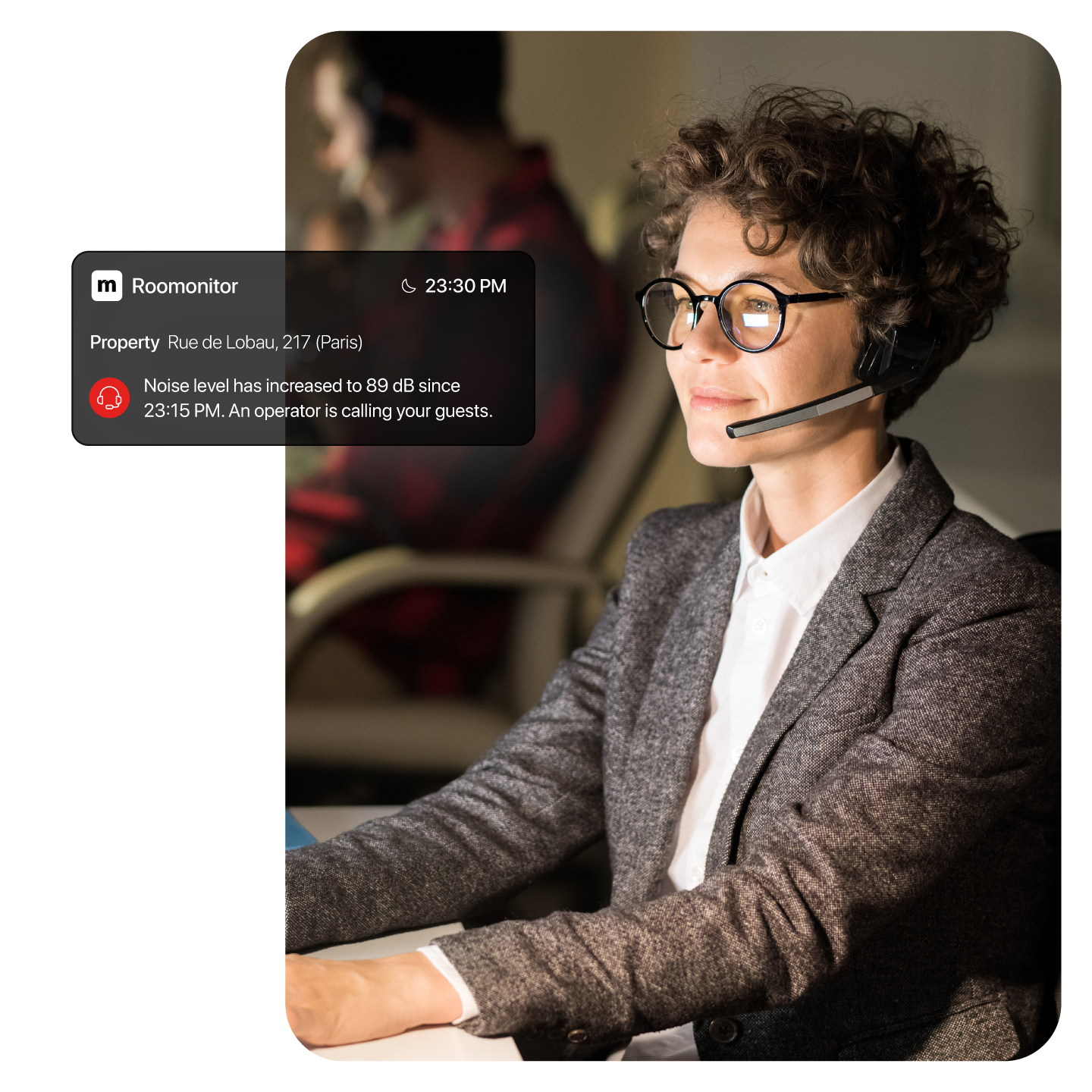
Roomonitor offers noise and occupancy alerts, plus guest smoking, indoor climate, and an optional 24/7 Alarm Assistant that can text or call guests. In some European cities, it can also arrange in-person intervention.
Alerts arrive quickly, and you can route them to your team or let Roomonitor handle the awkward call. That service-led model is what sets it apart from more software-first monitoring tools.
Minut vs Roomonitor feature comparison
Noise monitoring accuracy
Both tools provide real-time alerts with customizable thresholds by time of day, but Minut leans more heavily into automation to resolve many events before you need to step in.
Neither product records audio or uses cameras. Instead, they measure decibel levels and related patterns, which keep them aligned with guest privacy expectations and platform disclosure requirements.
Occupancy monitoring
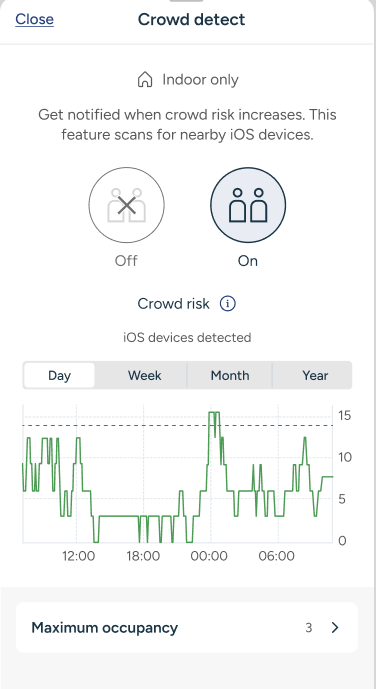
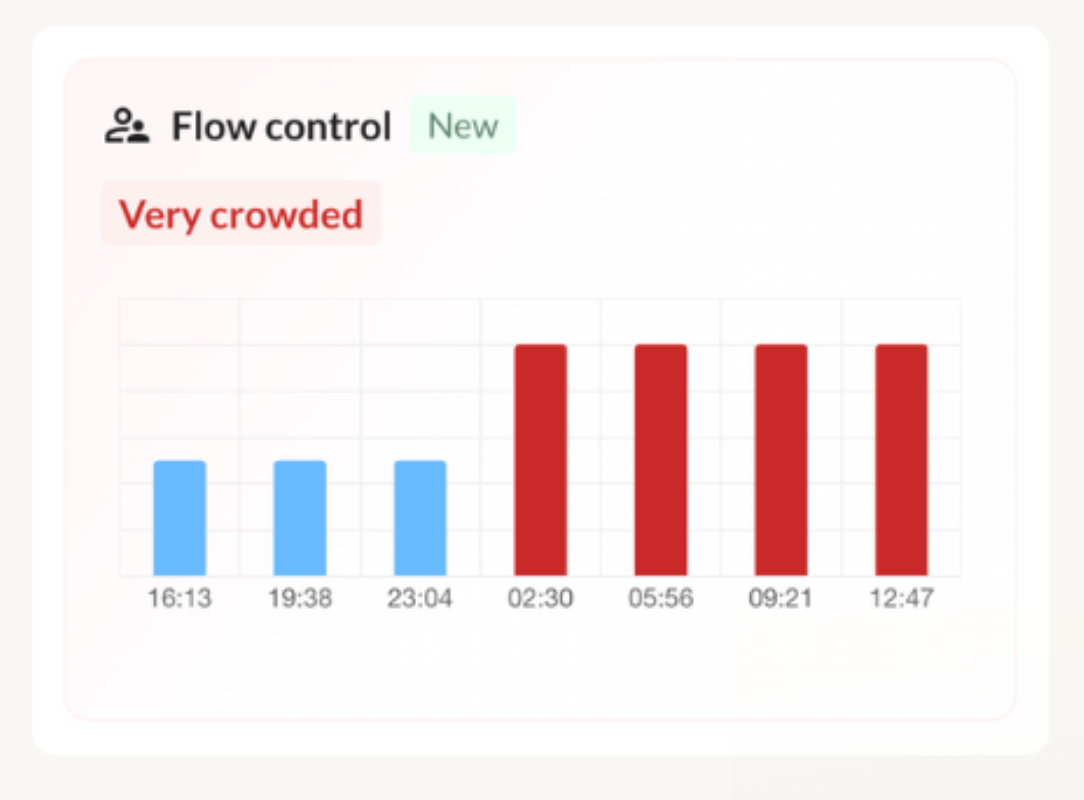
Both tools can help detect signals that suggest unauthorized occupancy or gatherings. Minut’s Crowd Detect counts nearby devices to help identify group activity and pairs that with motion for context.
Image via Minut
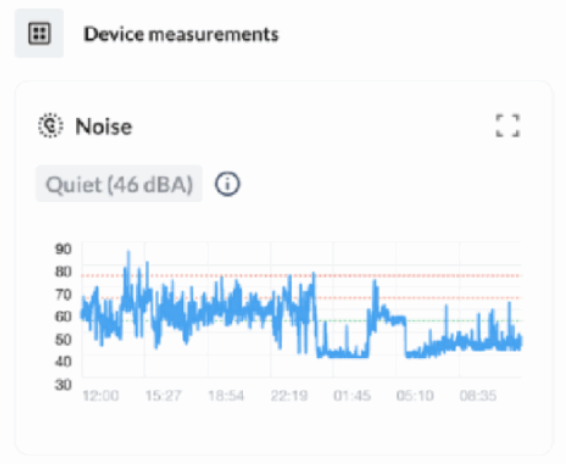
Roomonitor uses noise pattern analysis and occupancy indicators to trigger alerts.
Image via Roomonitor
Smoke detection and extra features
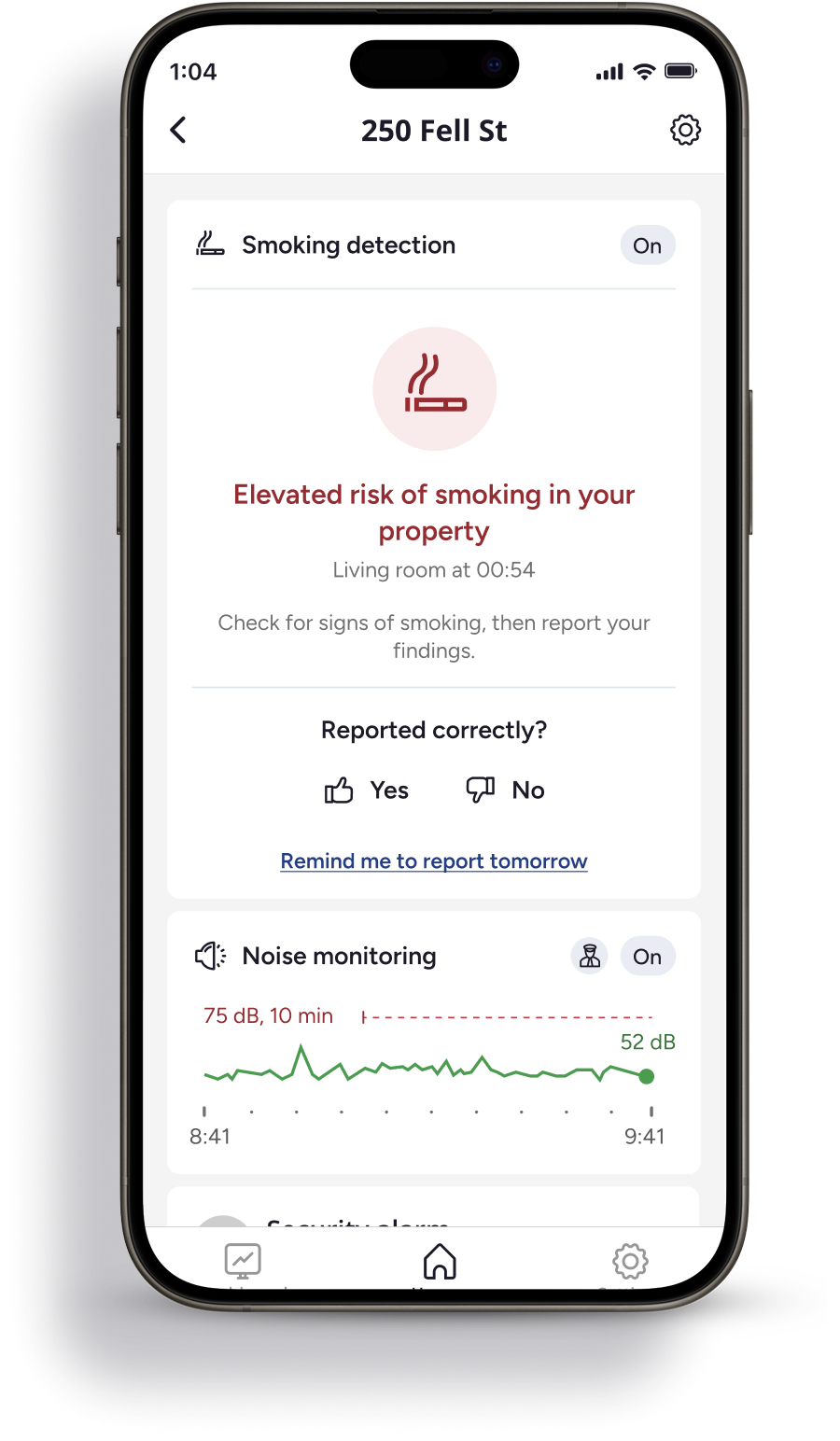
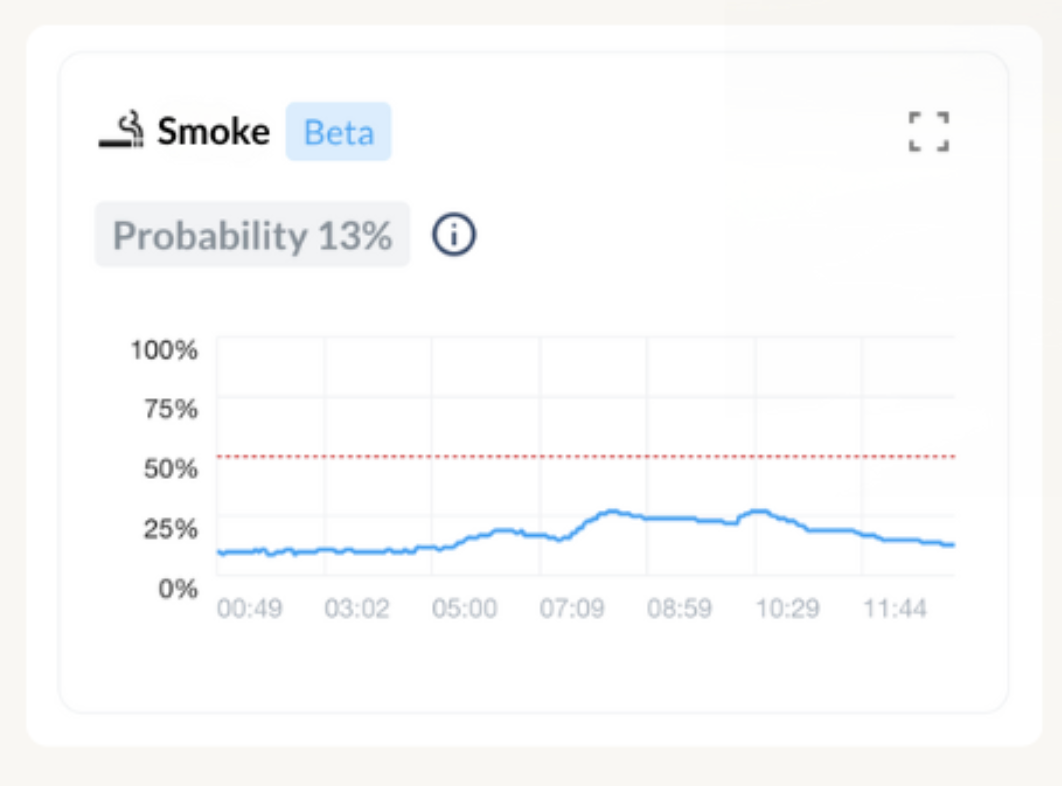
Minut includes guest smoking detection, alarm recognition, tamper alerts, and mold-risk detection, all of which are useful for both party prevention and longer-term property care.
Image via Minut
Roomonitor also offers cigarette smoke alerts and tamper alerts, but its broader operational scope is narrower.
Image via Roomonitor
Setup and ease of use
Minut is designed for a quick, app-guided install and is typically mounted on the ceiling and battery powered, which can be helpful when you don’t want guests unplugging devices. Roomonitor also offers a mobile app, which improves day-to-day use and addresses earlier concerns about mobile experience.
Mobile alerts and day-to-day management
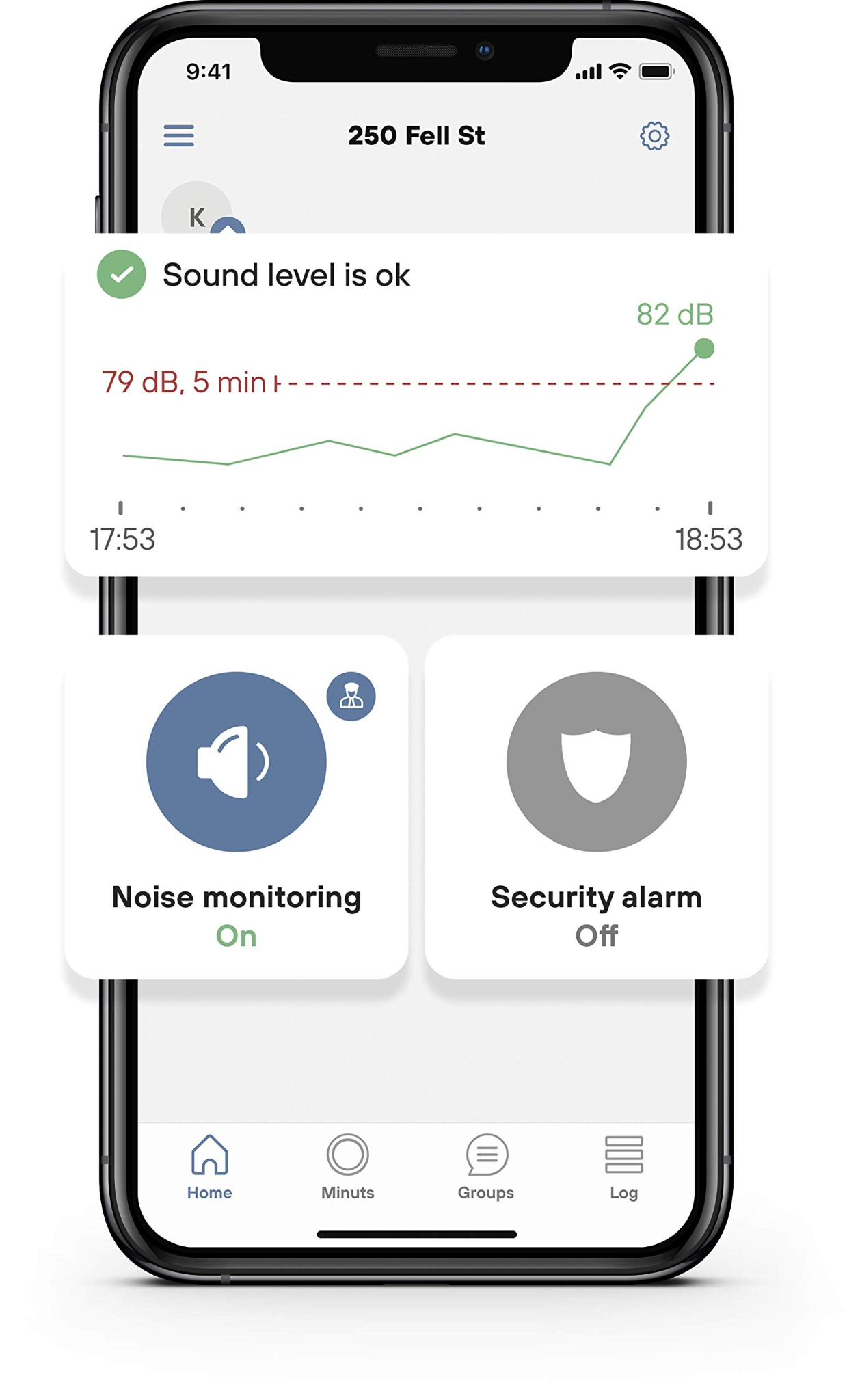
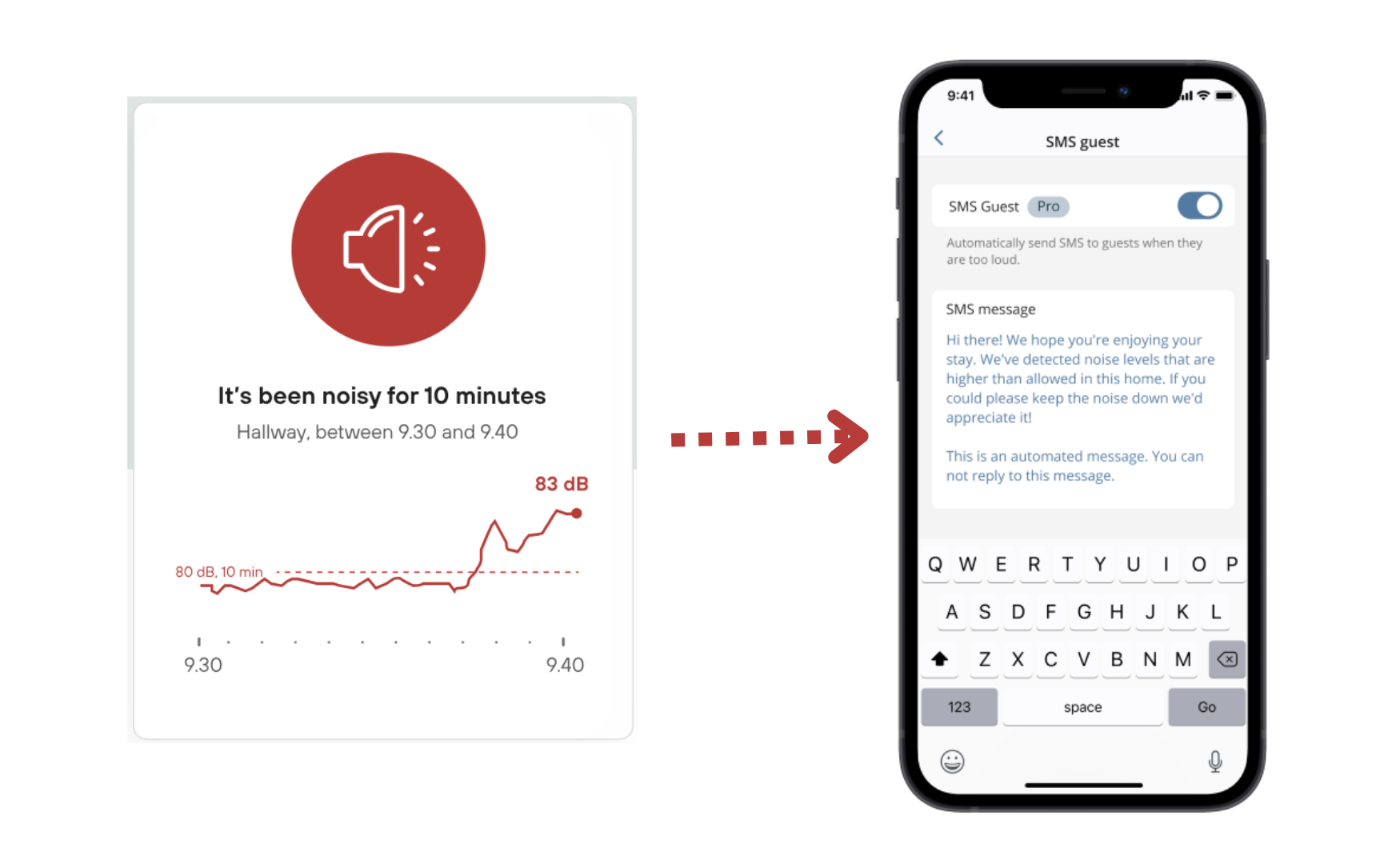
Minut’s automated guest messaging reduces hands-on involvement and creates a timestamped record of events.
Image via Minut
Roomonitor’s Alarm Assistant can contact guests directly and escalate when needed in supported markets.
Image via Roomonitor
Feature count isn’t the only deciding factor. The right fit depends on how you host, where your homes are, and how much you want to automate versus hand off to a human team.
Minut vs Roomonitor pricing
Minut
Minut M3 sensor: $100 one-off purchase
Subscriptions:
Starter: $5/month, billed annually at $60.
Standard: $10/month, billed annually at $120.
Pro: $15/month, billed annually at $180.
Optional add-ons:
Water leak sensor: $25.
Call Assist: $10/month/rental unit.
Roomonitor
Device cost: full price is €90 and only available with a subscription
Subscriptions:
Noise Monitoring: From €13/month.
Alarm Assistant (Remote): From €29.90/month.
Guest & Property Services (Remote): From €79.90/month.
Operational Services (Remote): From €59/month.
Disclaimer: Pricing is correct at the time of writing this article, but always check the company websites for the most up-to-date prices.
Choose Minut if you want one property monitoring device to handle noise, occupancy signals, cigarette smoke, and indoor climate. It’s also a stronger choice if you manage multiple listings and need centralized controls, automation, and clean documentation.
Conclusion
From this Minut vs Roomonitor comparison, the best noise monitor for Airbnb is the one that helps you catch problems early and gives you a clear record if something goes wrong. If you want a single device that watches noise, occupancy signals, cigarette smoke, and climate while automating guest nudges, Minut is built for that job.
FAQs
What’s the difference between Minut and Roomonitor?
Both provide privacy-friendly noise and occupancy alerts for short-term rental management. Minut is more automation- and portfolio-focused, while Roomonitor is more service-led. Both also support broader property monitoring features, but they package and deliver them differently.
Does Roomonitor detect parties?
Roomonitor flags sustained high decibel levels and occupancy signals that can indicate gatherings. You can receive alerts by SMS or call, or let Roomonitor’s team contact the guest to de-escalate, with on-site response in certain cities.
Does Minut record conversations?
No. Minut measures decibel levels like a sound meter and doesn’t record audio or use cameras. It monitors the home environment rather than the guest and is designed to protect privacy.
Which is more privacy-friendly, Minut or Roomonitor?
Both are privacy-friendly monitoring tools that measure sound levels and patterns without recording audio.
Does Minut offer smoke detection?
Yes. Minut’s cigarette smoke detection alerts you when smoking is detected and gives you a timestamped record you can use for fees or claims. It pairs well with noise and occupancy signals to prevent damage and odor complaints.
Which tool is better for multiple properties?
Minut’s portfolio dashboard, bulk policies, and integrations make scaling easier. You can keep consistent quiet-hours rules and incident histories across all homes with less manual work.







.jpeg)