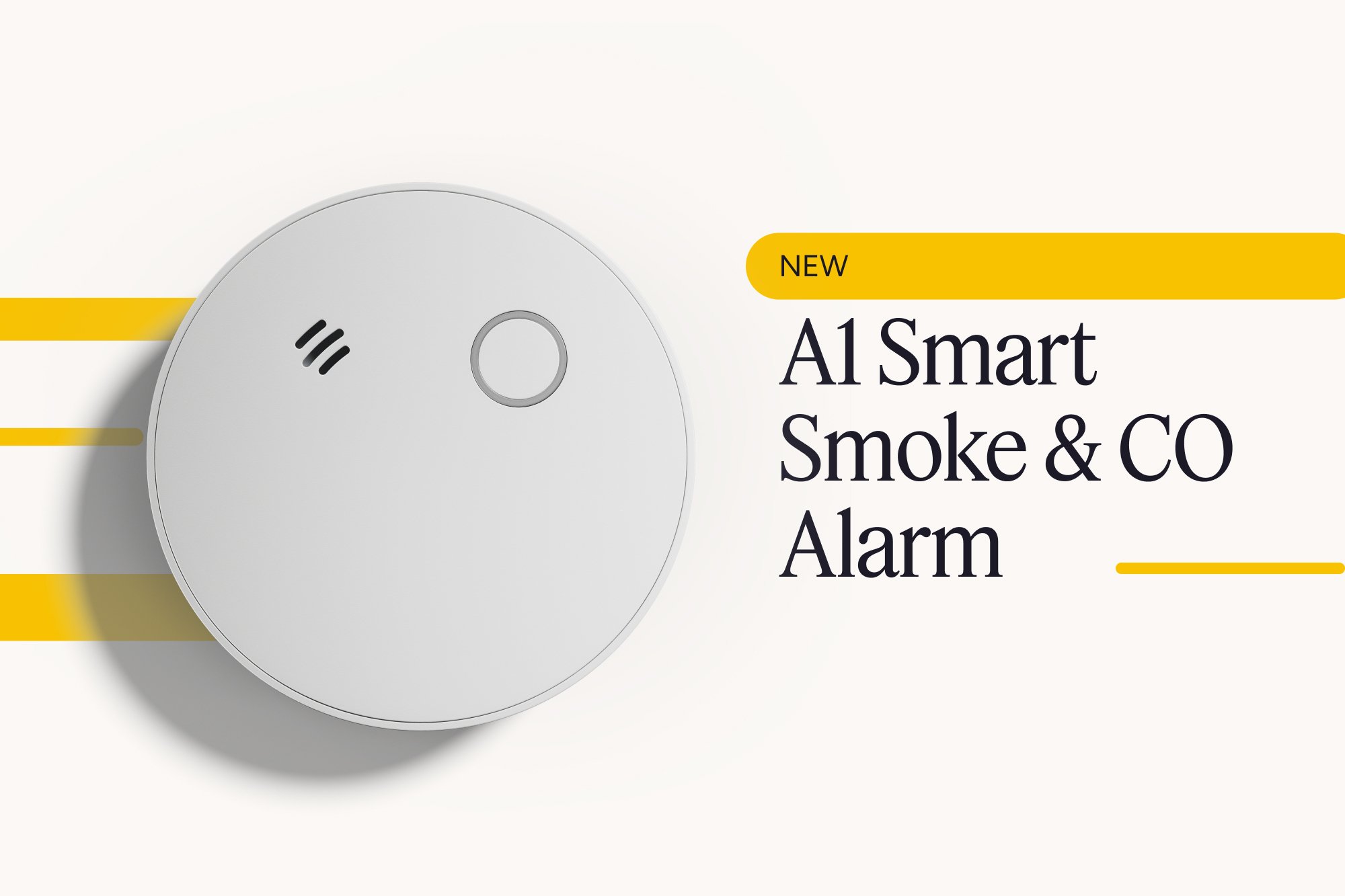
Noise complaints are the fastest route to neighbor disputes, HOA friction, city enforcement, and even platform penalties. That’s why a privacy-safe Airbnb noise monitor has moved from being nice-to-have to one of the most important property manager tools.
If you ask any experienced host about the common issues they face with short-term rentals, noise will rank highly on the list. Late-night music that drifts into the hallway, a few extra friends joining “for a quick drink,” and balcony conversations that carry further than guests expect are all moments that seem small but can have enormous impact.
This guide explains why noise complaints are such a high-stakes risk, what Airbnb’s current rules actually say, how decibel monitoring works without recording audio, and how to choose and use a noise monitor for Airbnb. We’ll also share best practices to prevent guest disturbances before they escalate, plus a practical FAQ you can reference with owners, neighbors, and team members. For most hosts, an Airbnb noise monitor is a simple layer of protection that keeps both guests and neighbors comfortable.
Why noise complaints are a serious risk for Airbnb hosts
Every host knows the pattern: a booking looks ordinary, check-in is smooth, but then the evening rises from chatter to music, two guests become six, and promises of “we’ll keep it down” turn into a text from your neighbor at 11:42 p.m.
Noise incidents may be rare relative to total stays, but their consequences can be significant. Consider the ripple effects. Not only may there be complaints lodged to your HOA or building management, but repeated violations can trigger city enforcement, fines, or even the suspension of a license in areas where permits are required. On-platform, sustained guest behavior issues can lead to penalties or listing suspension. The financial hit compounds quickly: refunded nights, lost revenue during downtime, and the reputational cost of lower ratings. On the flip side, timely intervention — such as a simple text message — resolves most issues remotely and quickly.
This is where a privacy-safe noise monitoring system is so important. Many hosts realize this only after their first disturbance incident, which is why using an Airbnb noise monitor becomes an ongoing part of operations rather than a one-time fix. By alerting you to sustained, elevated decibel levels, an Airbnb noise monitor means you’ll be able to step in early. And remember, when it comes to party prevention, Airbnb has a strict ban against parties without the property host’s permission, so this can be incorporated into your rules and guest messaging.
Indoor cameras are prohibited anywhere inside a listing, even if turned off or disconnected.
Privacy-safe “noise decibel monitors” are allowed inside as long as they don’t record audio, are disclosed to guests, and aren’t placed in bedrooms, bathrooms, or sleeping areas.
To stay compliant, choosing an Airbnb noise monitor that is transparent, privacy-safe, and easy to disclose in your listing is essential.
Vrbo follows a similar approach: no surveillance devices are allowed inside, exterior cameras are permitted with disclosure, and interior noise monitoring devices are allowed if they measure decibel levels only without recording conversations.
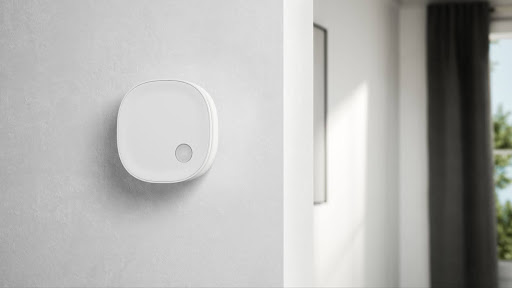
A modern noise monitor for Airbnb is a decibel monitoring device that continuously assesses sound level and duration, then triggers an alert when both exceed your defined thresholds.
For example, you might set a daytime threshold that’s higher than your quiet-hours threshold, balancing guest enjoyment during the day with consideration for neighbors in the evening. Then, if sound levels exceed your limit for 10 minutes, you’ll receive a notification and can step in with a friendly reminder. Crucially, these noise detection devices for rentals don’t record audio or conversations, so they’re compliant with Airbnb policy and privacy laws.
When paired with smart alerting and automated guest messaging, the system becomes proactive. A gentle nudge through the Airbnb inbox often resolves the situation before anyone outside notices. A well-configured Airbnb noise monitor also helps standardize how teams respond to rising sound levels across multiple properties.
How Minut compares to other noise monitors
Not every noise monitor does the same job. Minut combines noise, smoke, and occupancy sensing in one privacy-first device. It measures decibel levels only, with no audio recording and no cameras. It can also send automated guest messages and keeps timestamped records that you can use in Airbnb claims or neighbor disputes. Features vary on other devices, from noise-only to a fuller suite.
Every property has its own patterns, but here are common scenarios hosts and operators encounter, to help you focus prevention where it matters most:
After-dinner gatherings that escalate: Small meetups turn into larger social events as more friends arrive or music gets louder.
Music and TV volume: Soundbars and stereos can transmit loud noise through floors and shared walls, disturbing neighbors even when windows are closed.
Outdoor conversations on balconies, terraces, and patios: Voices carry farther than guests expect, especially in quiet, high-density areas.
Amenity-driven noise: Hot tubs, games tables, and rooftop spaces can become hubs for late-night activity.
Corridor and common-area disturbance: Door slams, rolling luggage, and group comings-and-goings late at night affect multifamily and aparthotel environments.
Event weekends and local celebrations: Concerts, sporting events, and festivals correlate with higher late-night activity.
Pet-friendly stays and family travel: Barking, energetic play, or running children can lead to sustained noise.
Mapping out these scenarios helps you set realistic thresholds on your Airbnb noise monitor so the alerts feel accurate to how your property actually operates. Early detection stops these situations from turning into neighbor complaints or ratings dips. Across a full portfolio and a busy season, that difference adds up fast in both savings and reputation.
The benefits of using a smart noise sensor in your Airbnb
An Airbnb noise monitor offers multiple benefits, which can deliver lasting value across your portfolio. Real-time alerts help you step in early, preventing situations from escalating into disputes, bad reviews, or refund requests. This can also strengthen relationships with neighbors and HOAs, with clear documentation that reduces friction and repeat complaints.
Noise monitoring can also support regulatory vacation rental compliance in places that require it, such as Cantabria and Fort Lauderdale. Time-stamped event histories give you a defensible record if questions ever come up. And by preventing parties and over-occupancy, you reduce the financial risk that comes with property damage, extra cleaning and remediation, and lost revenue from partial refunds or blocked calendars.
Many operators also appreciate that an Airbnb noise monitor provides objective, time-stamped data when neighbor disputes come up.
Finally, standardizing thresholds and response playbooks across listings and locations helps keep guest experience and compliance consistent, no matter where you operate.
Why Minut is a trusted noise monitoring solution for Airbnb hosts
Minut is designed for proactive property management, helping hosts and operators who need privacy-first, scalable control, whether for one property or thousands. You can prevent noise complaints on Airbnb, avoid guest disturbance, protect assets, and maintain great neighbor relationships, all without cameras or audio recording.
Hosts looking for a reliable Airbnb noise monitor often consider Minut because of its privacy-first design and automation tools. Here are just some of the features:
Custom thresholds and quiet hours: Set different decibel limits for daytime and night, and define how long a spike must last before the system alerts you.
Instant alerts: When noise crosses your threshold for the defined duration, you get notified.
Multi-property visibility and easy installation: Monitor all your listings from a single dashboard, see current status at a glance, and review event history.
In addition to noise monitoring, Minut can inform you if too many people arrive at the property, without identifying individuals, so you can prevent parties and unauthorized large gatherings. Cigarette smoke detection helps you enforce no-smoking rules and avoid costly cleaning services. (If you’ve already had people smoking in your property, here’s how to get rid of the cigarette smell.) Finally, the combination of security features and environmental monitoring of temperature, humidity, and mold risk help you protect vacant units and avoid preventable losses.
Best practices to avoid noise complaints in your Airbnb
Great technology works best inside clear expectations. The hosts who rarely see noise escalate tend to do a few things well:
Start with clear house rules that define quiet hours and specify that a privacy-safe Airbnb noise monitor is installed in common areas.
Reinforce those rules with pre-arrival messages that set the right tone, such as “We love hosting you, here are the quiet hours and how to be a great neighbor.”
Add on-site, brief signage in living areas.
Automate the follow-ups.
If you manage many units or list on multiple platforms, consistency is your friend. As platform rules and local regulations evolve, consider updating your listing’s safety section and guest guide to reflect how your privacy-safe monitoring supports community standards and better stays.
Airbnb noise monitor FAQs
1. Does Airbnb allow noise monitors?
Yes. Airbnb permits interior “noise decibel monitors” that measure sound level and duration without recording audio. They must be disclosed in the listing and cannot be placed in bedrooms, bathrooms, or sleeping areas.
2. Are noise monitors legal in rental properties?
In most regions, yes, when devices measure decibel levels only and don’t record conversations, and when hosts disclose their presence.
3. Do noise sensors record guests?
No. Privacy-safe devices measure decibel levels and duration only. Recording audio or conversations would violate platform policies and many privacy laws.
4. How does an Airbnb noise monitor work?
It continuously measures sound level and duration. When noise exceeds your defined threshold for a set period, it sends a real-time alert so you can intervene early with a friendly reminder.
5. Can noise monitors help prevent parties in rental properties?
Yes. Early spikes in sustained noise are often a precursor to gatherings that can turn into parties. Minut’s Crowd Detection feature can also alert you if there’s an unusually high number of people present.
6. Do guests know when a noise monitor is installed?
They should. Airbnb requires disclosure of interior noise monitors in the listing’s safety section. Monitors must be placed only in shared spaces like living rooms or hallways, never in bedrooms or bathrooms.
7. Where should a noise monitor be installed in an Airbnb?
Install in shared areas where noise typically originates, such as living rooms, dining rooms, and hallways. Do not place devices in bedrooms, bathrooms, or other sleeping areas, per Airbnb’s rules.
8. Do hosts managing multiple listings benefit from using Minut?
Absolutely. Minut offers centralized, multi-property monitoring, automated messaging, and alert histories so you can manage noise proactively across an entire portfolio from a single dashboard.





.png)