Running an aparthotel means walking a fine line between guest freedom and operational control. Guests expect the independence of a home-like stay but with the consistency and conveniences of a hotel experience.
That creates a challenge for operators: how do you monitor what’s happening inside your rooms without making guests feel like they’re under surveillance?
This article explores how modern aparthotels can use smart technology to detect room activity and manage occupancy monitoring in a way that prevents noise complaints and property misuse, while building guest trust and maintaining privacy.
Managing modern aparthotels means balancing trust and control
Aparthotels sit at the crossroads of hospitality and residential living. Guests choose them because they provide more autonomy than a hotel room, like the ability to cook a meal or enjoy a space that feels less transactional and more like a home. That autonomy is central to the aparthotel value proposition, but it can also complicate operations.
Unlike a traditional hotel, where staff are present throughout the property, aparthotels often run with lean teams and minimal in-person supervision. That efficiency helps keep margins healthy but creates blind spots. Without the watchful eyes of staff, it’s easy for a guest to slip in unnoticed, a spontaneous party to start, or a guest to stay in their room past the official check-out time.
You may be oblivious to this until someone makes a complaint, by which time it’s already had a negative impact on their stay.
The challenge is to give guests the freedom they expect while maintaining the visibility needed to keep operations under control.
Why traditional monitoring approaches fall short in aparthotels
Many operators rely on manual methods, such as check-ins at the front desk and cleaners reporting unusual signs. Depending on the existing relationship, some operators even have neighbors who flag any unwelcome activities or behavior.
There are a few problems with these methods, with a main one being the high likelihood of incidents being missed. If your front desk person is in the toilet or answering the phone, it’s easy for them to inadvertently miss an additional person walking in. Meanwhile, even the most dedicated neighbor can’t spend all of their time staring out of the window.
Another major flaw in these methods is timing: they’re all reactive, not preventive. A complaint about loud music at 2 a.m. may reach you only after guests have disturbed the building, and a cleaner won’t discover evidence of an unauthorized party until the guests have left.
In both cases, you’re left with damage control rather than prevention.
This reactive cycle is a problem for everyone. For you, it creates operational stress. For guests, it means a potentially ruined stay — and that might be enough to stop them choosing or recommending you in the future.
That’s why the goal with professional aparthotel management is to stop problems escalating in the first place. That’s where modern detection room technology comes in.
Smart room presence detection without invading privacy
Today’s leading aparthotel operators are turning to technology that provides visibility without crossing into surveillance. Instead of intrusive recording devices like cameras and microphones, they use sensors and access tools that measure signals rather than identities.
These systems share three important traits:
Non-intrusive: No cameras, audio recordings, or personal data collection.
Signal-based: Monitoring based on noise levels, motion, or environmental patterns over time.
Proactive: Automated alerts when set thresholds are crossed, allowing staff to respond quickly and appropriately.
Why cameras aren’t the answer
It can be tempting to think of cameras as the ultimate solution. After all, they provide a direct view of what’s happening. But guests rightly see cameras as an invasion of privacy, and many jurisdictions don’t permit them in private spaces anyway.
The real advantage of modern occupancy monitoring is that it provides the right level of information, which is enough to prevent misuse and protect the property, but not enough to compromise guest trust. By tracking signals instead of identities, these tools make it possible to act without crossing the line into surveillance.
Examples of smart monitoring tools
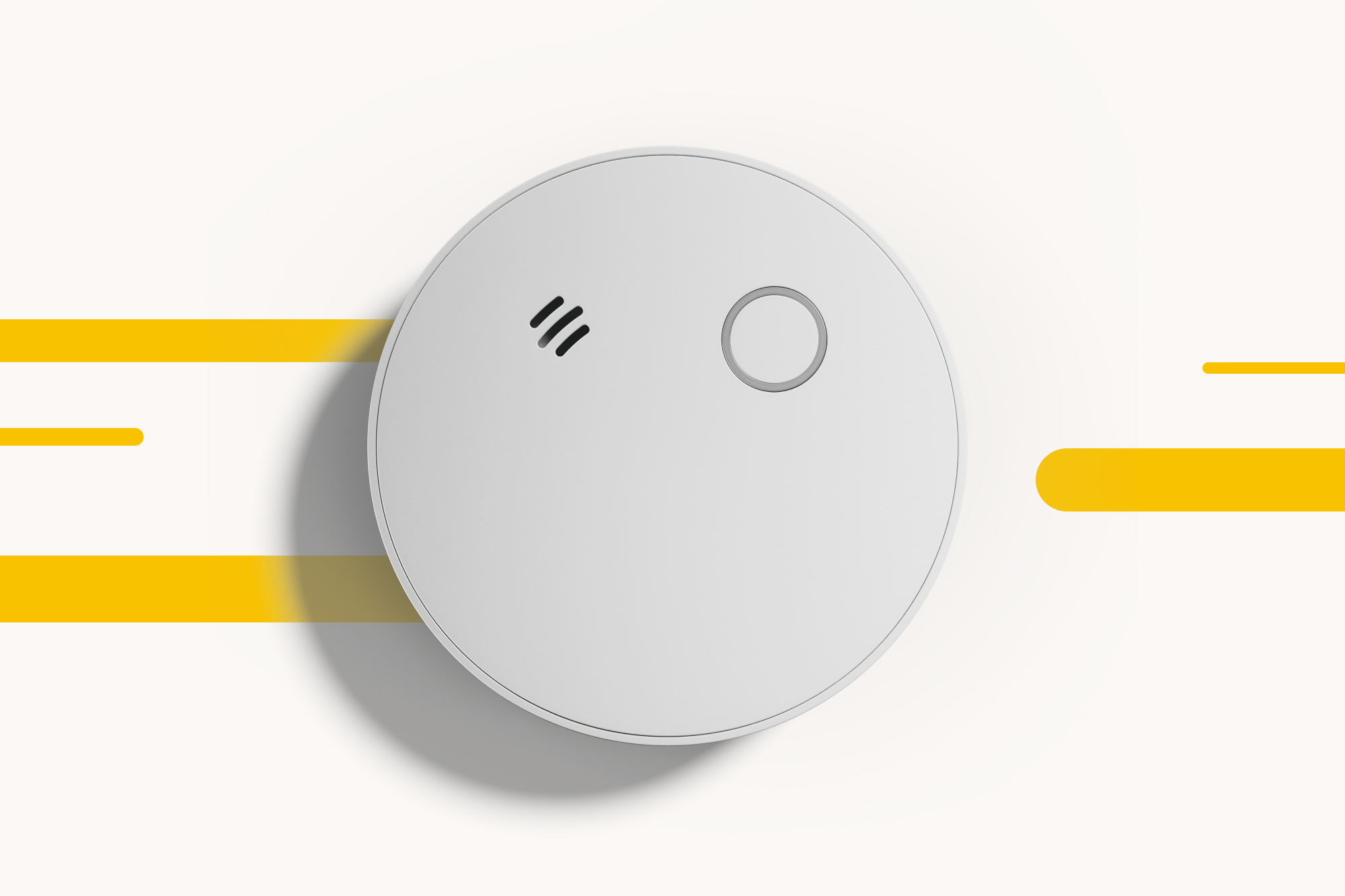
Minut sensors:Minut empowers you to track noise, motion, temperature, humidity, occupancy patterns, and if guests are smoking, all while protecting guest privacy. The sensors don’t capture conversations or visuals, but they do give operators clear signals when conditions suggest overuse or disruption. They can be strategically mounted on the ceiling or placed on a wall if the ceiling is too high, as long as the detector is facing directly down towards the floor.
Smart locks and access logs: Provide visibility into when and how often a door is used, helping to identify potential unauthorized entry or tailgating.
Environmental sensors: Monitor room conditions, including light patterns, temperature fluctuations, and air quality, to spot unusual patterns, such as prolonged activity that suggests parties or abnormal usage.
What occupancy monitoring actually tells you
One of the biggest misconceptions about occupancy monitoring is that it’s about “watching guests.” In reality, these tools provide operational signals rather than personal details.
For instance, a spike in both sound and motion during the late evening could indicate a party forming. Unusual patterns in occupancy may suggest more guests in the room than are booked to be there. Environmental changes — such as sudden humidity increases — may point to extended or unexpected room use.
Turning occupancy monitoring signals into KPIs
In addition to being useful in the moment, these insights can also be tied to broader operational metrics:
Reduced incident response time: Acting within minutes of a noise alert instead of waiting for complaints.
Improved review scores: Preventing disturbances that would otherwise show up in guest feedback.
More accurate staffing: Identifying when cleaning schedules need to adapt to heavier-than-expected usage.
Occupancy monitoring systems leverage low-energy connectivity for seamless data transmission and reliable communication with property management systems. This automation eliminates the need for manual monitoring. They equip you with actionable data that supports both day-to-day management and improves your guests’ experience by preventing problems from escalating.
Protecting guest trust with privacy-friendly room presence detection tools
The success of any monitoring strategy depends not just on the technology itself, but also on how you communicate it. Guests want autonomy, but they also value safety and professionalism. They don’t want to feel spied on or kept in the dark. So if you’re going to monitor your aparthotels, it’s best to be upfront about it.
Transparency should start before check-in. For example, include a clear note in booking confirmations that says something along the lines of, “We use smart sensors for monitoring noise and occupancy to ensure a safe, peaceful stay for all guests.” Once on-site, guests should see a simple privacy statement in the room that explains what is monitored and, equally important, what is not.
You can also reassure guests further by explaining that there are no cameras, audio recordings, or collection of personal data.
Communicating your monitoring in this way helps guests feel safe and protected, which can turn it into a selling point that your guests appreciate.
How to act on occupancy monitoring alerts without harming the guest experience
It should go without saying that the value of monitoring comes not just from detection but from how you respond. After all, the monitoring isn’t going to enhance the guest experience if you ignore the alerts. However, you may also be wondering how to best act on the alerts while maintaining a balance of professionalism and hospitality.
Start by setting thresholds that distinguish between normal behavior and actual disruption. For example, a family enjoying a movie night shouldn’t trigger a complaint, whereas a gathering that pushes decibel levels for prolonged periods should.
A helpful exercise is to build escalation playbooks. Start by defining thresholds, then standardize your responses:
First alert: Automated, polite message reminding guests of noise levels.
Second alert: Human follow-up, either via phone call or message.
Final step: On-site intervention if the issue persists.
Finally, make sure to document every alert and response. This gives you a record for internal improvement over time, and it can be used if a problem arises during a stay.
Occupancy control without compromising privacy
Operating an aparthotel means giving guests the independence they want without giving up the control you need. Traditional oversight methods no longer cut it, but that doesn’t mean surveillance is the answer.
By using non-intrusive detection room technology and smart occupancy monitoring, you can prevent noise complaints, stop misuse before it escalates, and maintain guest trust. The key is transparency and systems that let you act before problems undermine your reputation.
As competition with hotels and short-term rentals intensifies, aparthotels that strike this balance will stand out. Guests will remember not just the room itself, but the peace of mind that came with it — and that’s the experience that drives loyalty and repeat bookings.
FAQs
What is occupancy monitoring in aparthotels?
Occupancy monitoring uses non-intrusive sensors to identify noise, parties, or misuse without cameras or recordings.
How can hotels detect human presence in a room?
Hotels and aparthotels can use smart room detection tools such as noise sensors, smart locks, and environmental monitors to spot unusual activity before it becomes disruptive.
Does occupancy monitoring invade guest privacy?
No. Properly designed tools measure patterns like sound or motion, not personal data. Clear communication builds guest trust while protecting their comfort.
What should hotels do when a noise alert is triggered?
The best practice is to begin with an automated, friendly message to the guest and only escalate with staff intervention if the issue continues.
Why is proactive monitoring better than traditional methods?
Traditional methods rely on complaints after the fact. Proactive occupancy monitoring lets operators act before problems escalate, protecting both the guest experience and the aparthotel’s reputation.







.jpg)