Cantabria has introduced a new regulatory framework for tourist rentals, including national registration, community of owners approval, and mandatory noise sensors. This guide breaks down each requirement, key deadlines, and penalties to help property managers stay compliant and avoid costly fines.
Like other parts of the world, Spain is updating how it regulates short‑term rentals (STR) to better balance tourism, community well‑being, and fair competition. Cantabria is part of that evolution and, notably, became the first region in Europe to make noise monitoring a legal requirement in tourist accommodations.
In July 2025, the region overhauled its rulebook for viviendas de uso turístico (VUT) which simply means tourist‑use dwellings. This guide explains what changed, what’s due by March 2026, and how to operationalize compliance under Cantabria’s short‑term rental laws without compromising privacy or guest experience.
Spain’s new baseline: national registration and building‑level approvals
Two national reforms now shape day‑to‑day STR operations in every region, including Cantabria.
First, Spain has launched a Single Digital Window and a unique Number of Rental Registration for each short‑stay unit. Since July 1, 2025, every listing must display that number, and platforms must verify it and share activity data with authorities. These obligations flow from Real Decreto 1312/2024 and the EU’s data‑sharing framework for STR platforms. As covered by Cinco Días, not displaying a valid number is now grounds for delisting across marketplaces. In parallel, Regulation (EU) 2024/1028 standardizes monthly data sharing by platforms to national gateways, supporting consistent oversight while leaving market‑access rules to Member States.
Second, since April 3, 2025, new STR activity inside shared buildings generally requires prior authorization by the Community of Owners. The reform of Spain’s Horizontal Property Law (LPH) set a 3/5 double‑majority threshold and is not retroactive to operations that were active before April 3, 2025. Communities can also adopt additional measures, including surcharges of up to 20% in community fees for tourist units and direct legal action against unauthorized activity.
For managers building or expanding inventory in Cantabria, these two pillars now sit alongside Cantabria’s own operational standards.
Cantabria’s Decree 50/2025: the new rulebook for VUT operations
Cantabria’s government adopted Decree 50/2025 on July 24, 2025, taking effect from July 25, 2025. It replaces the 2019 framework and regulates tourist‑use dwellings across the region, with clear startup conditions, equipment requirements in every unit, and a transition plan for already‑registered properties. The official text is published and summarized by legal databases and the government’s press service.
What counts as a VUT and which modalities exist
The decree defines VUT activity and recognizes two modalities: complete dwelling and shared by rooms, with the latter requiring owner residency. Legal or natural persons, and holders of rights of use, can be titulares of a VUT.
In plain terms, a VUT is a residential property offered for short‑term tourist stays, whether it’s the whole home or individual rooms (when the owner lives there).
Startup and continuity: municipal compatibility certificate + responsible declaration
Every VUT must now secure a municipal urban‑planning compatibility certificate confirming that tourist use is permitted for the property. A responsible declaration is also required to begin and continue operations. Crucially, these conditions apply to both new and already‑registered VUT. The decree expressly empowers municipalities to cap or zone supply by building, area, sector, or period on public‑interest grounds through planning or ordinances.
For existing VUT, there is an eight‑month adaptation window, to March 2026, to file the municipal certificate, update the responsible declaration, and meet equipment standards.
In‑unit equipment and operating standards: noise, smoke and first‑aid now mandatory
Cantabria made operating standards tangible by requiring every VUT to have, at a minimum, a smoke detector, a noise‑monitoring device, a first‑aid kit, and local tourist information. The decree also sets a standard service window from 3pm on arrival day to 11am on departure day, unless otherwise agreed by the parties.
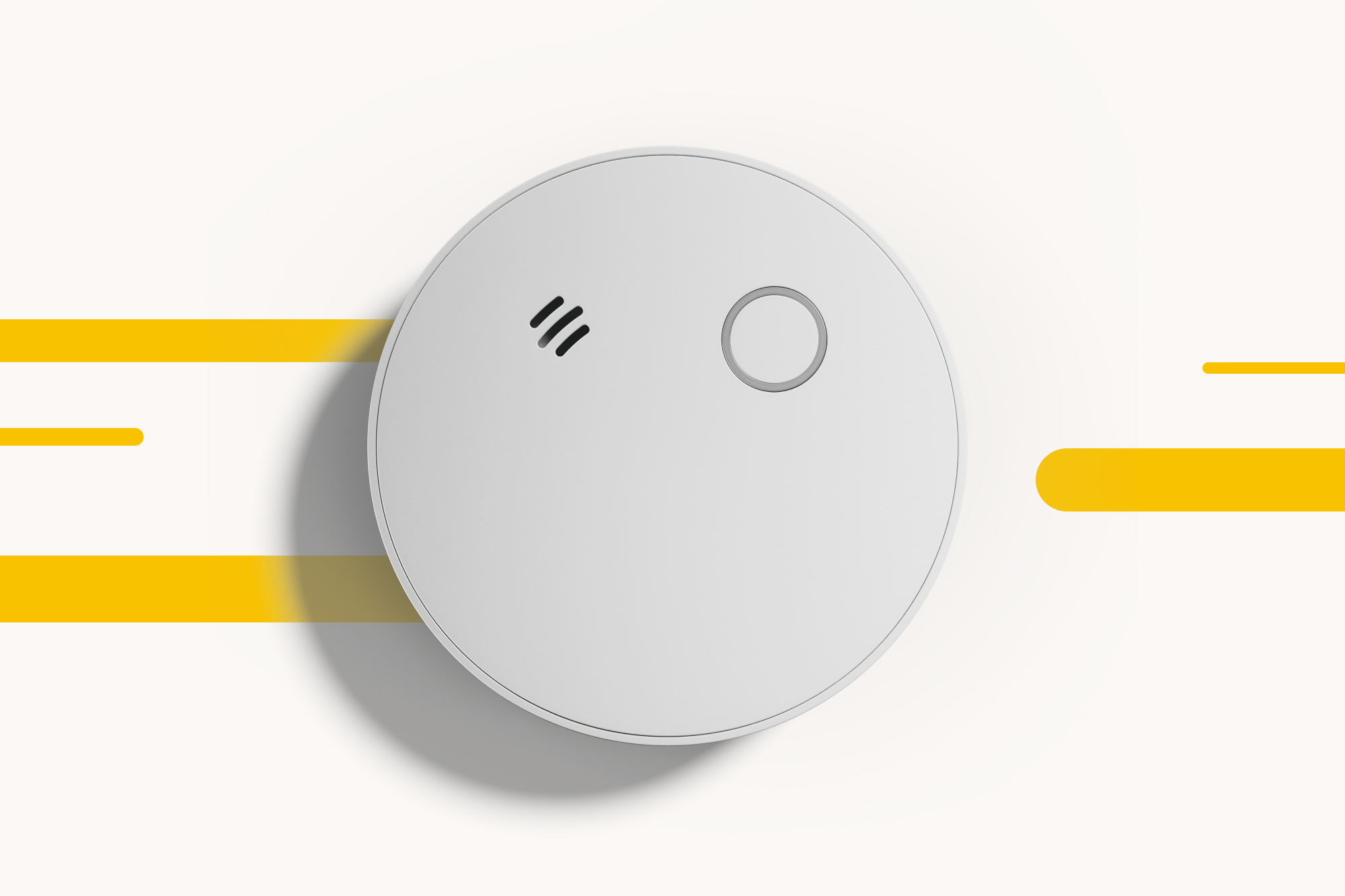
Noise monitoring is more than a checkbox, it’s a practical tool for coexistence that lets managers resolve disturbances quickly, often with a single gentle reminder. It’s also a vitally important aspect of privacy. If you’re rolling out sensors across a Cantabria portfolio, ensure they measure decibel levels rather than capturing or transmitting personal audio, to stay aligned with privacy best practice. Minut’s sensor is a privacy-first device that alerts guests and operators to excessive noise, to help you stay compliant with the rules as well as enhancing the guest experience and protecting trust in the community.
Municipal caps and zoning ahead
Councils hold the levers to manage where and how many VUTs can operate, and they can use urban planning regulations or ordinances to impose limitations. As reported by Europe Press, these limitations can include “a maximum number of tourist accommodations per building, per sector of the municipality or per area, period, area or zone”. It’s therefore possible that there will be heterogeneous outcomes as municipalities adopt ordinances or planning determinations to cap numbers by building or zone, or to restrict activity in historic centers and coastal hotspots.
Community of owners: approval, fees, and fast enforcement
As noted previously, the 2025 reform of Spain’s Horizontal Property Law gives communities ex‑ante control over new VUT. A 3/5 double majority of owners and shares is now required to authorize tourist use, and the rule doesn’t apply retroactively to units operating before April 3, 2025. Communities may impose up to a 20% surcharge on community fees for tourist units to offset higher maintenance, and they can move quickly against unauthorized activity operating in violation of building rules.
In Cantabria, the regional government has doubled down on enforcement support for communities and town halls. Communities can seek immediate legal action to stop illegal or non‑compliant tourist activity in their buildings, and the region has strengthened inspection capacity in 2025.
Enforcement and penalties: how risk is changing in 2025–2026
Spain’s platform rules and Cantabria’s sanction regime are converging to make compliance non‑negotiable.
On the platform side, marketplaces must verify the state registration number shown in each listing and delist non-registered or unverifiable ads. That verification, plus mandatory data sharing, gives authorities a clearer view of activity by unit.
On the regional side, Cantabria’s 2025 sanctions framework sets three tiers: minor (€250–€1,500), serious (€1,501–€15,000), and very serious (€15,001–€75,000). Very serious offenses include operating without the required declaration or authorization.
Cantabria’s enforcement posture is not hypothetical. In 2024, the region initiated 186 sanctioning proceedings across tourism establishments, generating €150,000 in fines. In 2025, the regional government added more inspectors to improve oversight and collaboration with local councils.
How to comply: a manager’s roadmap
Compliance in Cantabria is now a multi‑layered process that touches licensing, equipment, building governance and platform hygiene. Here’s a streamlined path forward.
First, register every unit nationally and keep listing information synchronized. Without a valid state registration number on the ad, platforms must delist, and data‑sharing obligations mean non‑compliance is easy to spot.
Second, file the municipal urban‑use compatibility certificate and responsible declaration for each VUT. This is the core precondition for new operations and continued activity for already registered units. The eight‑month transition runs to March 2026, and the decree is in force in the meantime.
Third, install the required in‑unit equipment across your portfolio: a smoke detector, a noise‑monitoring device, a first‑aid kit, and guest‑facing tourist information.
Fourth, for units in shared buildings, secure prior approval from the community of owners for any new VUT. Document the 3/5 vote and keep it on file to support registry or municipal checks. Be mindful that communities can add surcharges and move quickly against unauthorized activity.
Fifth, re‑baseline operating procedures. Standardize check‑in/out windows in line with the decree (3pm–11am unless agreed otherwise), ensure guest records and house rules are up to date, and prepare for municipal caps or zoning limits that may affect scale or renewal.
For professional STR managers and operators in Cantabria, the gatekeeping has moved local. The municipal compatibility certificate is now the binding precondition for registration and continuity, and local caps could determine scale by building or zone. Listings compliance has become binary: without a national number, ads are blocked and data sharing will match activity to units, reducing gray areas.
Aparthotels and hotels remain outside the national short‑stay registry, as they’re regulated under hotel‑establishment rules, but coexistence expectations still apply in mixed‑use areas, so operational noise management remains prudent.
For multifamily managers, the LPH reform means that any new VUT presence in‑house will depend on prior 3/5 community approval, and presidents can prompt the immediate cessation of unauthorized activity. Building governance now decisively shapes whether tourist use is allowed at all.
Final checklist to stay onside in Cantabria
To wrap up, here’s a concise, manager‑friendly checklist you can apply across your Cantabria portfolio:
Secure the national Number of Rental Registration for each unit and display it on every listing. Keep PMS/channel metadata fully aligned to avoid platform delisting.
File the municipal urban‑use compatibility certificate and the responsible declaration for all VUT — new and existing — within the eight month window, and track local caps or zoning that may affect renewals.
Equip every unit with a smoke detector, a noise‑monitoring device, a first‑aid kit, and tourist information. Standardize check‑in/out windows unless contractually agreed otherwise.
In shared buildings, obtain prior Community of Owners approval for new VUT. Factor in potential fee surcharges and ensure swift response plans for any community complaints.
Train teams on the regional sanction tiers, document compliance, and leverage privacy‑first monitoring to resolve noise quickly and protect your standing with neighbors and platforms.
The bottom line
Cantabria’s short‑term rental laws ask operators to be intentional about where they open, how they equip each unit, and how they maintain community trust. The national registry makes listing compliance visible and enforceable. The LPH reform puts building communities squarely in control of new tourist use. And Cantabria’s Decree 50/2025 ties it together with local‑planning compatibility and explicit in‑unit equipment rules.
Managers who act early will have a smoother path to growth as municipalities begin to zone and cap supply. Those who don’t will risk removal from platforms, significant fines, and community‑led legal action. This is a moment to invest in proactive compliance and privacy‑first monitoring that prevents disturbances before they escalate.
Please note: This article should be treated as a broad overview only. We’ve done our best to ensure that the information above is accurate and up to date at the time of publishing. Always consult your local regulatory authorities for more detailed information on current regulations in your area.
FAQs: Cantabria’s short-term rental laws
What is a VUT?
VUT stands for “vivienda de uso turístico,” which means a tourist‑use dwelling. It’s a residential property offered for short‑term stays, either the entire home or rooms when the owner resides on‑site.
Do I need approval from my building’s Community of Owners?
For new STR activity in shared buildings, yes. As of April 3, 2025, communities must approve tourist use by a 3/5 double majority, and they can add fee surcharges or take action against unauthorized activity.
What equipment is mandatory in Cantabria VUTs?
Every unit must have a smoke detector, a noise‑monitoring device, a first‑aid kit, and local tourist information. The region is the first in Europe to require noise monitoring in tourist accommodations.
When is the deadline to adapt existing listings?
Existing VUTs have an eight-month window until March 2026 to file the municipal compatibility certificate, update the responsible declaration, and meet equipment standards.
How does Spain’s national registry affect my listings?
Each unit needs a unique Number of Rental Registration displayed on every ad. Platforms must verify that number and share activity data with authorities. Non‑compliant listings can be delisted.
Are hotels and aparthotels included in the national STR registry?
No. They’re regulated under hotel‑establishment rules and remain outside the short‑stay registry, though coexistence standards and local expectations still apply in mixed‑use areas.
Do noise sensors record conversations?
They shouldn’t. To protect guest privacy and align with best practice, use devices such as Minut’s sensor, which monitors decibel levels and does not capture or transmit personal audio.
What happens if I don’t comply with Cantabria’s short‑term rental laws?
Cantabria applies three sanction tiers, with very serious offenses (like operating without required filings) carrying fines up to €75,000. Platforms can also remove non‑compliant listings.
Disclaimer
The information in this article is provided for general informational purposes only and reflects regulations as they were understood at the time of writing. It should not be considered legal advice. Laws and enforcement practices may change without notice, and local interpretations can vary. Always verify current requirements with official city, county, or state authorities before operating a short-term rental.








.jpg)