Noise remains one of the biggest pain points in short-term rentals today: guests crave freedom and comfort, while neighbors expect peace and quiet. It’s a symptom of growing pressure on hosts and property managers to prove they can maintain community harmony. That’s why mastering noise monitoring best practices is key to thriving.
Airbnb’s rules tell the story: it implemented a global party ban, and privacy‑safe noise monitoring is still allowed but indoor cameras are not. Meanwhile, many cities have specified quiet hours, and some require a local contact to respond to complaints within an hour.
Noise monitoring best practices aren’t just about tech, but also trust. Done right, they maintain privacy, prevent penalties, and protect reputations. This article breaks down how to create a calm, compliant environment without crossing privacy lines.
What noise monitoring means for vacation rentals and apartments
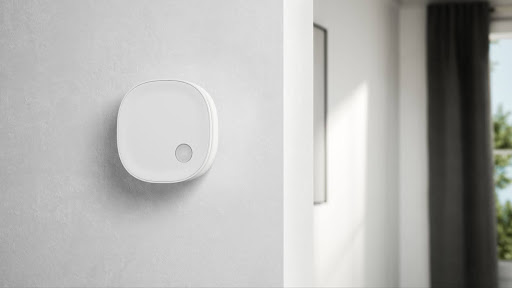
At its core, noise monitoring is the objective measurement of sound levels over time. A privacy‑safe noise monitoring device measures levels without recording or transmitting audio.
Here’s what it is, and what it isn’t:
Noise monitoring vs cameras: Security cameras capture images and video. Noise monitoring practices focus on measuring sound levels, without hearing any of the conversation.
Noise monitoring vs messaging tools: Guest messaging systems help you communicate. A noise sensor device supplies the objective trigger (sustained noise above a threshold for a set duration) that should initiate that communication.
Privacy is non‑negotiable. Guests expect and deserve privacy inside their homes away from home, and residents expect the same in apartments. Privacy‑safe noise monitoring protects that trust by measuring decibels only, never recording speech.
Common noise challenges hosts and property managers face
Noise often has patterns, such as:
Late-night parties and gatherings: Guests turning up music or chatting loudly past midnight can turn into neighbor complaints that hit your ratings fast.
Ignoring quiet hours: Overlooking stated quiet hours rules (typically 10pm–7am), blasting TVs or hosting friends during off-hours, especially in dense urban rentals where walls are thin.
Weekend spikes and event-driven noise: Fridays and Saturdays see louder groups, local events, or sports watch parties, amplifying volume when neighbors are home relaxing.
As portfolios grow, even diligent teams are more likely to lack visibility across every unit and common area. If noise monitoring best practices aren’t implemented, these instances can lead to repeat complaints.
In short, the problem isn’t just tech, but consistency and rigor. The difference between frustration and control is a set of noise monitoring best practices you can apply across listings or buildings, backed by objective measurement and swift, courteous response.
5 noise monitoring best practices for vacation rentals
The following noise monitoring best practices are designed for short‑term rentals, where guest turnover is frequent and reputation is tied closely to reviews and platform standing. This is vacation rental noise monitoring in action: practical, privacy‑first, and built for scale.
Practice 1: Set noise expectations before guests arrive
Guest noise complaints can often be traced back to unclear expectations. The most effective hosts reiterate noise rules at three points:
in the listing description
within house rules
in pre‑check‑in messages
Make sure that you align your quiet hours with applicable local norms and ordinances. Clear rules reduce surprises and support quiet hours compliance.
Practice 2: Use privacy‑safe noise monitoring devices
A privacy‑safe noise monitoring device only measures decibel levels, it never records or knows the content of conversations. Its presence should also be disclosed to guests. This approach meets platform expectations and dramatically reduces pushback, because guests understand that you’re tracking patterns, not people. Airbnb’s policy explicitly green‑lights disclosed decibel monitors in common areas when they don’t record conversations.
Practice 3: Monitor noise by time of day, not just volume
Daytime ambience is different from nighttime quiet. Set lower thresholds at night and slightly higher, flexible thresholds during the day to avoid false alerts while still catching genuine violations. This reinforces guest comfort and community relations, and also aligns with public health guidance that emphasizes restful nights.
Practice 4: Act early when thresholds are crossed
Early action prevents escalation. The ideal response flow is simple: when sustained noise is detected, trigger an automated, friendly reminder to the guest. If levels persist, follow up with a personal message or call. Only if the issue continues should you consider an in‑person visit. Fast, courteous nudges solve most problems before they become guest noise complaints. Cities such as San Diego codify the urgency by requiring a response within one hour, so adopting a time‑bound workflow also helps maintain noise ordinance compliance.
Practice 5: Document noise events for protection and compliance
Documentation protects your listing and your reputation. If disputes arise with platforms, neighbors, or regulators, having an objective event history of time, duration, and level shows that you monitored responsibly and acted promptly. Remember, documentation does not mean recordings. You’re capturing decibel data, not conversations. Pair your event history with notes on the steps taken and the time you resolved the incident.
Together, these are the backbone of vacation rental noise monitoring and help prevent noise complaints before they start.
Noise monitoring best practices for apartments and multi‑family buildings
Apartments introduce additional complexity:
Shared walls and floors mean noise transfers quickly.
Common areas create new vectors for disturbance.
On‑site teams need real‑time visibility across multiple buildings and consistent policies that balance livability and community relations.
The playbook for apartment noise monitoring starts with the same privacy‑safe foundation, then adapts thresholds by zone and time. For example, it makes sense to have different thresholds in the lobby and corridors, or the gym and lounges. Overnight thresholds inside units should still reflect stricter sleep‑time expectations, drawing from public health guidance and local codes.
Noise monitoring can provide significant operational benefits to multi-family building operators, too. Having building-level analytics can highlight patterns with noise levels at specific days, hours, and hotspots, which provides a whole new raft of insightful data. This data enables operators to create standardized escalation protocols, adjust staffing levels during periods of higher risk, and strategically place noise-sensitive residents in quieter areas. The result should be fewer complaints and reduced churn, and a positive impact on the bottom line.
The same principles extend to student accommodation and hospitality‑style apartments, where community standards often set quiet hours nightly and around exam periods. Aligning your policy language to those norms and instrumenting common spaces with a privacy‑safe noise sensor device helps uphold the community standard without intrusive monitoring.
How Minut supports noise monitoring best practices
Minut is designed for hospitality and housing from the ground up, with privacy, accuracy, and scalability at its core. For STRs, aparthotels and hotels, and multi‑family portfolios, Minut provides:
Privacy‑safe decibel monitoring that never records audio and is aligned with platform policies and guest expectations.
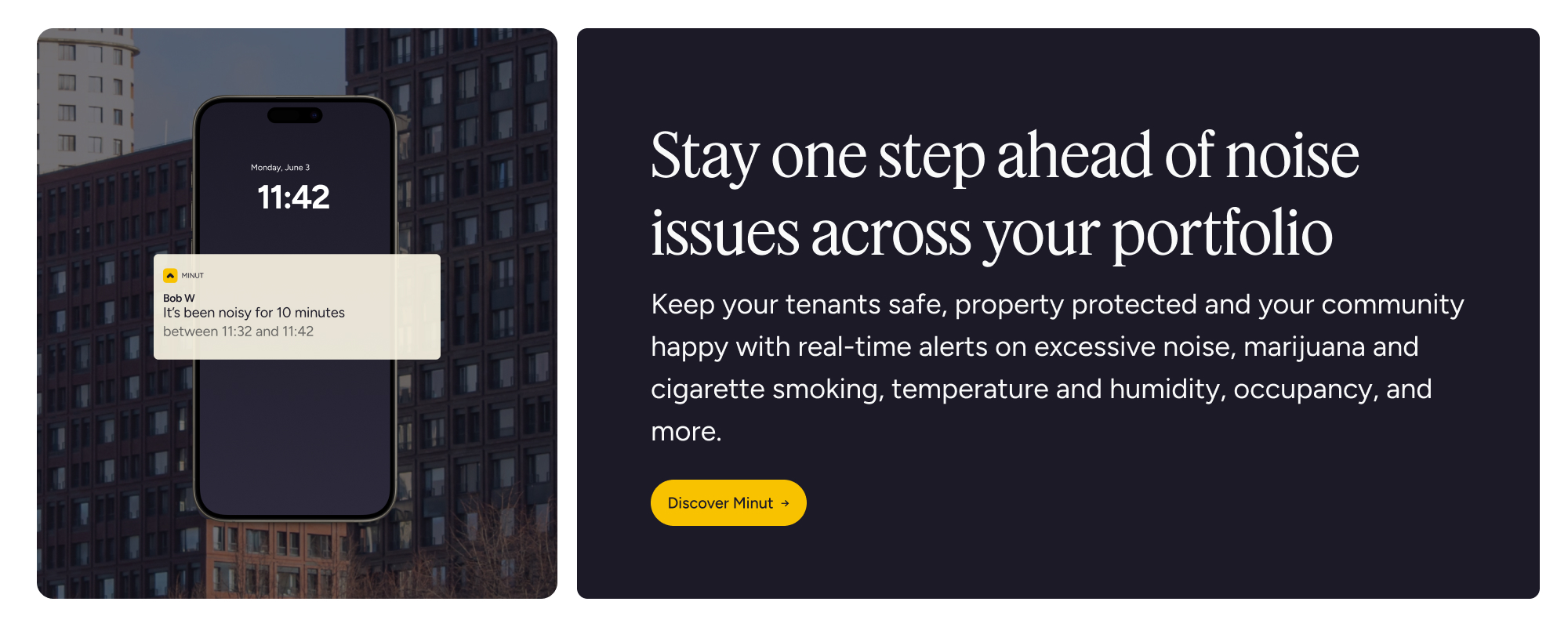
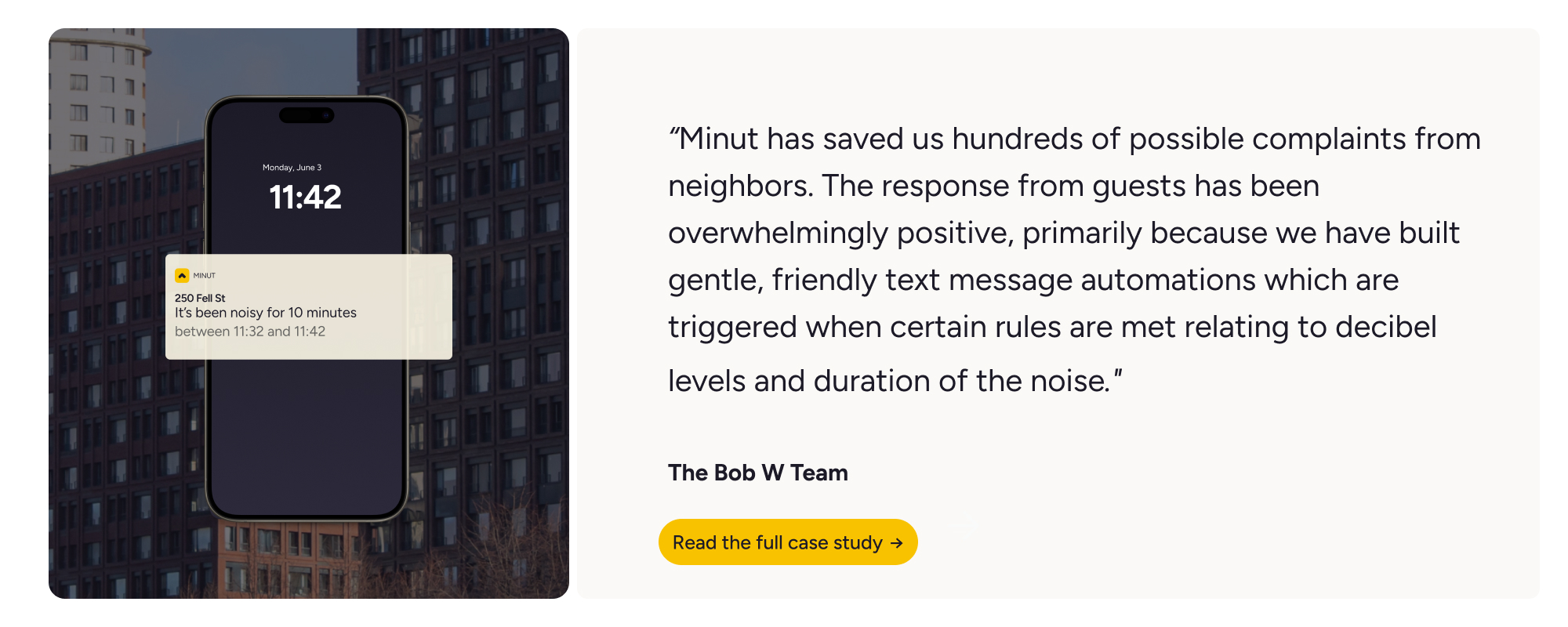
Real‑time alerts and automated guest messaging to de‑escalate quickly, supporting fast response requirements where they exist.
Time‑based thresholds so you can differentiate daytime and nighttime patterns and reduce false alerts.
Noise event history with time, duration, and level, so you can document issues for platform disputes, neighbor concerns, and city inquiries.
Even well-intentioned noise monitoring can backfire without the right approach. Here are the key mistakes to avoid.
Don’t rely only on neighbor complaints. By the time a neighbor calls, the situation has already disturbed them. Your response clock may also already be ticking under local rules.
Avoid audio‑recording devices indoors. Although cameras are usually permitted outdoors, they should never be used internally. They erode trust and often violate platform policies.
Don’t over‑alert guests. Automated reminders should be polite, brief, and only triggered when noise is sustained. Over‑messaging can feel intrusive and backfire.
Never ignore local quiet hours. Cities often set nighttime limits, and in many places failing to comply with noise ordinance can result in fines or STR permits being revoked.
Don’t treat noise as purely reactive. The operators who win are proactive: installing privacy‑safe sensors, aligning policies to local codes, and using data to prevent future incidents.
Legal, privacy, and compliance considerations
Navigating noise rules and privacy laws keeps your rentals compliant and guests trusting. Here's a breakdown by key area.
Legal and privacy essentials
Noise ordinances aren't uniform, but you can expect quiet hours from 10pm–7am in most spots, with decibels capped at 50–65 dB overnight. Cities like Palm Springs enforce strict residential limits with rising fines for repeats, so always check your local code.
Privacy laws by region
Here's where it gets location-specific: Europe's GDPR classifies recorded audio containing voices as personal data, requiring explicit guest consent, data minimization, and formal impact assessments before deployment. In contrast, U.S. laws like California's CCPA (California Consumer Privacy Act) prioritize upfront transparency — telling guests about monitoring via your listing — and give more leeway for systems that don't capture identifiable info, though some states are tightening up. As always, the best advice is to check the specific rules for the location you’re operating in, and don’t make assumptions based on the requirements elsewhere.
Why privacy-safe wins globally
The gold standard is to use decibel-only monitors that measure volume levels without recording sound, voices, or any personal data. This approach is in accordance with GDPR and CCPA alike, since no consumer information or personal data is collected. Disclose the presence of the monitors clearly in your house rules or listing description, and you’ll build trust while covering yourself worldwide.
Hosts vs. guests: Who owns what
As the host or manager, you're primarily liable for compliance. Guests must respect quiet hours and rules, but platforms like Airbnb pin violations on you first. To help get out in front of potential issues, create house rules and automated check-in messages outlining expectations. This educates guests in a calm and non-confrontational manner, and helps to protect you from violations.
Noise monitoring best practices checklist
Use this quick checklist to align teams and accelerate implementation:
Clear noise rules communicated in listing, house rules, and pre‑arrival messages, aligned to local quiet hours.
Privacy‑safe noise monitoring device installed in appropriate common areas, disclosed per platform and local policy.
Time‑based thresholds configured for day and night to reduce false alerts and capture real issues.
Alerts enabled, tested, and paired with automated guest messaging for rapid de‑escalation.
A time‑bound response process defined for continued violations, including host follow‑up and on‑site escalation as needed.
Noise events documented with time, duration, and level, plus actions taken and resolution time.
Conclusion: Building a proactive noise management strategy
Noise monitoring best practices are now a standard part of professional operations across STRs, aparthotels, hotels, multifamily, and student housing. They’re not about surveillance, but preserving guest experience, strengthening neighbor relationships, and maintaining compliance in an environment of rising complaints and tighter rules.
As you refine your approach to rental property noise monitoring, Minut can help you operationalize your processes, with privacy‑safe decibel monitoring, real‑time alerts, time‑based thresholds, and event histories that support compliance and consistency.
Noise monitoring best practices FAQs
What are the best noise monitoring practices for vacation rentals?
The best approach combines clear rules, privacy‑safe decibel monitoring, time‑based thresholds, rapid and friendly guest reminders, and thorough documentation. These noise monitoring best practices help prevent noise complaints, protect your listing, and keep you aligned with local ordinances.
Can hosts monitor noise without recording guests?
Yes, privacy‑safe noise monitoring measures decibel levels without recording audio. Platforms like Airbnb permit disclosed decibel monitors in common areas provided they don’t capture audio (such as listening to or recording conversations).
Are noise monitoring devices legal for Airbnb listings?
Yes, when used as privacy‑safe decibel monitors in permitted locations and disclosed according to the platform’s policy. Review the policy in detail here.
How does noise monitoring protect hosts from penalties?
Noise monitoring helps you prevent excessive noise in the first instance, and can stop it early thanks to real-time notifications and automated guest messaging. It can also provide you with an objective event history, demonstrating to officials and neighbors that you acted responsibly and promptly.
Is noise monitoring allowed in apartments?
Yes, when implemented as privacy‑safe decibel monitoring that doesn’t record audio and is placed appropriately, such as in common areas.
What’s the difference between noise monitoring and surveillance?
Noise monitoring measures decibel level with a noise sensor device, and doesn’t listen to or record any audio. Surveillance captures personal content, such as conversations. Privacy‑safe monitoring is designed to uphold guest and resident privacy while delivering operational insight.
Do privacy‑safe noise monitors work in multi‑unit buildings?
Yes. With time‑based thresholds and zone‑specific settings, privacy‑safe monitors support apartment noise monitoring across unit types and common areas.


.png)



.png)


.jpeg)