Managing short-term rentals (STRs) can feel like walking a tightrope. On one side, there’s the lure of profitability and freedom. On the other, there are the all-too-familiar headaches: unreliable advice, demanding guests, and the never-ending to-do list.
One problem is that a lot of the advice, from forums to social media clips to offline chats, is either outdated or wrong. Many short-term rental tips ignore how guest expectations have evolved, while others rely on tactics that crumble as soon as you try to scale.
This guide cuts through the noise. Instead of recycled hacks, you’ll find a short-term rental strategy that’s grounded in industry data, modern traveler behavior, and proven operations management. In other words, the stuff that actually works.
Common myths about short-term rental strategy
A surprising number of myths still circulate in the short-term rental space. They sound convincing at first but can do real harm when applied in practice. Let’s take a look at some of them:
Focus on constant bookings
One of the most persistent myths is that dropping your nightly rates automatically leads to more bookings. A smarter approach is to focus on value: create a listing that’s well-presented, backed by strong reviews, and priced fairly for the market. That way, you attract respectful guests who want a good experience, not just a bargain.
Guests don’t read anything
Another common misconception is that guests don’t read anything. While no one wants to scroll through a 10-page manual, guests will read the right information delivered at the right time — or at least appreciate the information being available as and when they need it. Think about it as guiding them along a journey: a concise pre-arrival message that shares directions, a quick note at check-in that reassures them everything’s ready, and a short reminder before checkout.
Automation means you aren’t needed anymore
Some hosts treat automation like a magic button: set up a few automated messages and then walk away. The reality is that automation is a tool, not a replacement for management. It should handle repetitive tasks so you can focus on strategy, but oversight is still important. The best hosts strike a balance: efficient automation paired with a light but attentive human touch.
You don’t need a damage policy yet
Finally, there’s the myth about damage policies: that you don’t need one until something happens. Unfortunately, by then it’s too late. Having clear rules, deposits, and monitoring tools in place protects you before trouble starts. It also sends a clear message to guests: you run a professional operation, not a casual side hustle.
What modern guests actually expect
Post-pandemic, expectations have risen, and the standards of STRs are now measured directly against hotels in multiple areas.
First and foremost, communication is at the heart of the guest experience. Guests expect speed and reliability. An automated system that responds instantly to basic questions is a must, but guests also don’t want to feel abandoned to a chatbot that can’t handle every issue. When something important arises, they need the reassurance of being able to connect with a human.
Cleanliness is another non-negotiable. This doesn’t just mean the obvious areas like cleaning the toilet and changing the bedding, the less obvious spots are important too. Check that your light switches and remote controls are clean and not sticky or smudged, look for dust on top of curtain rails and doors, and make sure to vacuum your corners for balls of hair and cobwebs.
Check-in is also a crucial moment. Think about staying at a hotel: with someone at reception and perhaps even the main door, the experience has been carefully planned to make it as easy and convenient for guests as possible. While you may not hire people to physically open your front door, you can consider ways to streamline your guest experience. For instance, are your check-in instructions clear and straightforward? Do guests have to struggle to find a key safe that is difficult to open? Is there a motion-activated external light in case they arrive after dark? First impressions are important, so you don’t want to sour their experience in the first minute.
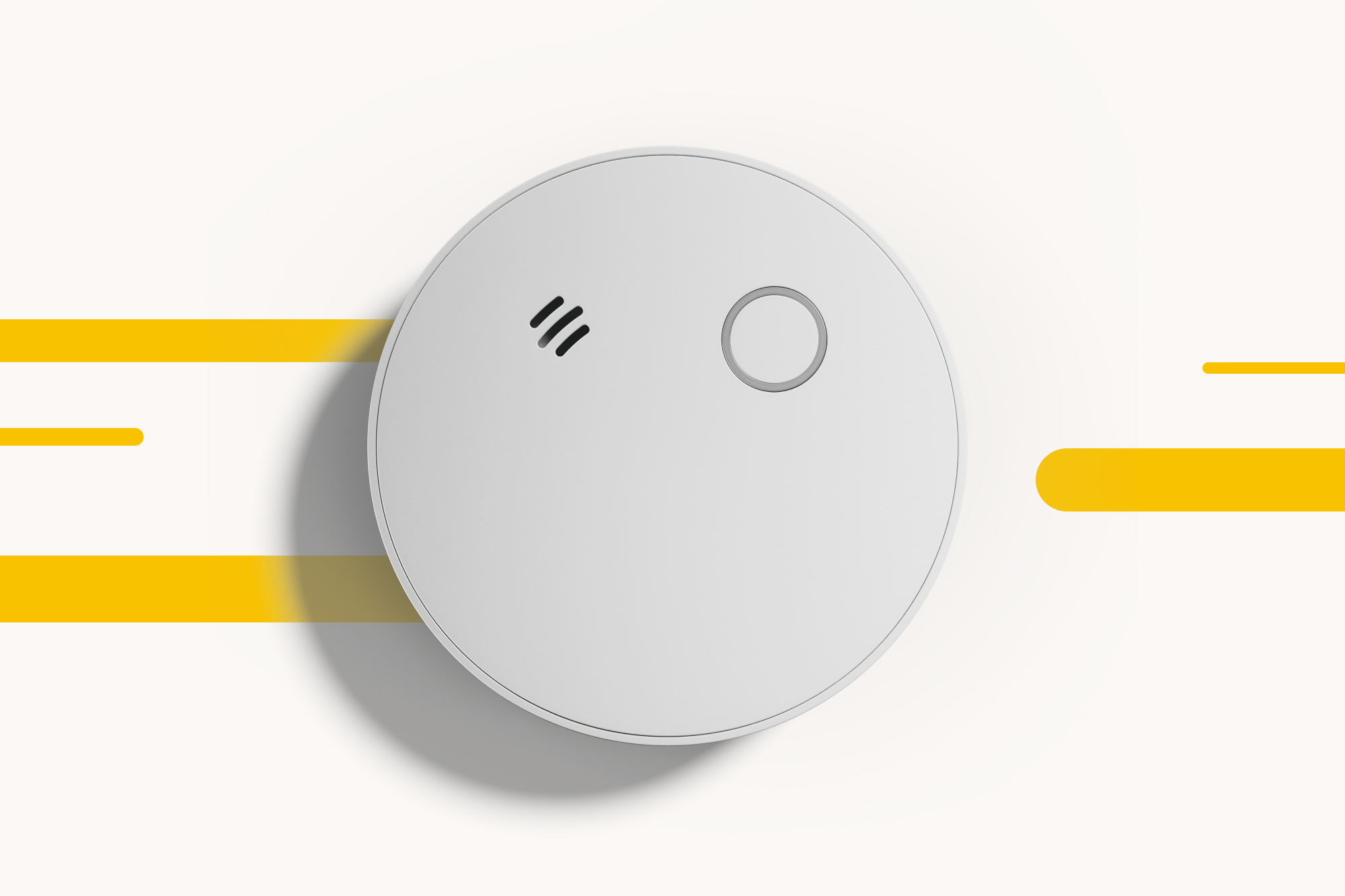
You can’t underestimate the importance of guests feeling safe. This includes a quiet environment with adequate security measures like a strong lock on the doors, working smoke detectors, and even the peace of mind that comes from tools like Minut’s sensors.
Finally, guests expect clarity. Whether it’s rules about pets, smoking, or visitors, ambiguity leads to misunderstandings. The most successful hosts are upfront, sharing information that leaves no room for surprises but doing so in a polite way.
If you can meet these expectations consistently, you’ll be mastering one of the most impactfulshort-term rental tips.
How to manage operations like a professional
Behind every thriving STR business is a framework of reliable operations. You don’t need a huge team for this, just the right systems to build a solid short-term rental strategy.
Guest messaging: Automated flows should cover the key milestones of a stay, such as pre-arrival, check-in, in-stay reminders, and checkout. These don’t have to be lengthy. In fact, the best messages are short, warm, and designed to prevent friction before it occurs.
Cleaning: Rushed turnovers almost always result in something being missed, whether it’s fresh towels or a forgotten trash bin. Building buffer time between stays allows for breathing room, and photo-based checklists give cleaners accountability without the need for micromanagement.
Preventative monitoring: Minut notifies you about noise, occupancy, or smoking so that you can intervene before situations escalate, instead of reacting to them afterwards. Often, a quick automated nudge to guests resolves issues before they spill over to neighbors.
Maintenance: A weekly walk-through of the rental property can catch a leaky faucet, faulty light switch, or disconnected smoke alarm before they turn into costly repairs or bad reviews.
Documentation: Tracking expenses, guest issues, and reviews may sound tedious, but the data tells a story. Over time, you’ll see patterns of what’s working, what’s costing too much, and where you can optimize.
Handling recurring challenges with smart systems
Every host, no matter how experienced, encounters recurring challenges. What sets professionals apart is how they prepare for them.
Take last-minute cancellations as an example. They’re frustrating, but they don’t have to derail your revenue. Clear cancellation policies and minimum stay requirements add a layer of protection, giving you more control over your calendar.
Noise complaints are another common issue. Without a system in place, they can strain your relationships with neighbors and even lead to fines. With real-time noise alerts, you can step in early to make sure your guests are following the rules and being considerate to the neighbors.
A smart system can also help prevent miscommunication. A guest who doesn’t know where to find the Wi-Fi password or where to park will quickly grow frustrated. Automated check-in communication can handle this for you, while digital guidebooks help ensure that crucial information is always at their fingertips even if the internet goes down.
What property management success really looks like in short-term rentals
Many new hosts chase full calendars, believing that 100% occupancy equals success. But seasoned operators know that real success looks different.
Instead of focusing on how often you have bookings, consider the profit per stay. A property that’s slightly less occupied but generates higher nightly rates and fewer problems is often more profitable, and also gives you the extra time to do deep cleans and maintenance checks between stays.
This, in turn, can also lead to glowing reviews. Between a spotless property, great communication, and attention to detail on your part, your guests are much more likely to enjoy their stay and recommend you in their reviews.
Ultimately, success is measured by peace of mind — both yours and your guests’. A well-run short-term rental business creates positive experiences on both sides of the equation. In the long run, that’s what makes it truly sustainable and profitable.
The key to short-term rental portfolio success
Managing short-term rentals isn’t a “set it and forget it” venture, but that doesn’t mean it has to feel chaotic, either. By auditing your current processes and feedback you can start to see how to prioritize the guest experience while also automating key elements such as communication and monitoring. And with a focus on profit per stay rather than how much a property is booked, you can enhance the guest experience even further.
With the right combination of automation, guest-focused policies, and professional oversight, you can create an operation that runs smoothly, delivers exceptional guest experiences, and scales sustainably.
FAQs
What is the best short-term rental strategy?
The best short-term rental strategy is to build reliable systems that handle cleaning, communication, and guest expectations consistently. Instead of chasing every booking, focus on creating repeatable processes that cut down your repetitive tasks and delight your guests.
How can I increase bookings without lowering my rates?
You can increase bookings without lowering your rates by improving your listing quality and guest experience. If you have negative reviews, you need to make relevant improvements to improve them over time. Strong reviews are proof of value, and they help you win bookings at higher rates. Professional photos, accurate descriptions, and fast communication often have more impact than discounts.
What short-term rental tips help avoid bad reviews?
The top short-term rental tips for avoiding bad reviews are keeping your property spotless, communicating clearly at every stage of the guest journey, and being upfront about rules and amenities.
Do I need monitoring tools for my short-term rental?
Monitoring tools can make a big difference to you, your neighbors, and your guests. Noise and occupancy sensors help prevent parties, damage, and neighbor complaints. They give you peace of mind and show guests that you run a professional, well-managed property.
How do I scale from one property to a short-term rental portfolio?
Scaling your property portfolio is largely a matter of building repeatable systems. Once your cleaning schedules, messaging flows, and guest support processes work smoothly for one rental, you can apply them across multiple homes without your workload becoming chaotic.






.jpg)