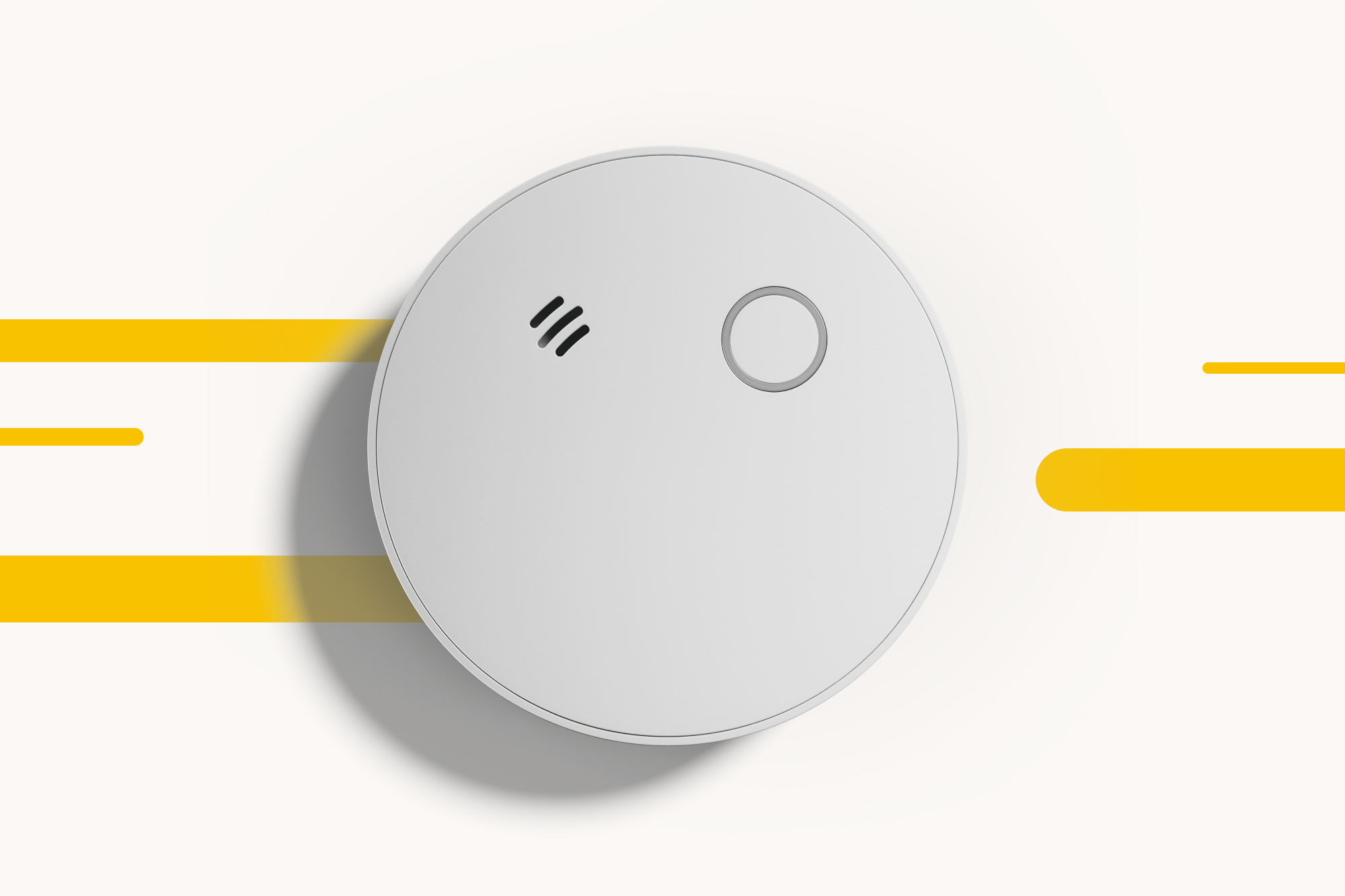
Smoke detection for Airbnb and short-term rentals: complete guide for hosts
Learn how smoke detection works for Airbnb and short-term rentals, what’s allowed under Airbnb rules, and how hosts can prevent smoking damage using privacy-safe smoke detection tools.
Smoke detection is essential both for guest enjoyment and safety. From lingering odors and stained surfaces to unhappy neighbors and disputed fees, guest smoking violations chip away at margins and reputation. But in addition to this, the scale of fire risk is sobering: in 2023, smoking was responsible for 7,000 fires, 255 deaths, and $409M in losses across U.S. residential properties, according to national estimates from the U.S. Fire Administration.
No-smoking rules are important for tackling this, but they’re not sufficient on their own. A short-term rental smoke policy only works when you can verify compliance in real time and act before minor issues escalate. That’s where privacy-safe smoke detection comes in: non-intrusive sensors, such as Minut, monitor smoking activity, enforce house rules, and prevent property damage without cameras or microphones.
In this article, you’ll learn what smoke detection is (and isn’t), how it aligns with Airbnb smoke detector rules and platform guidelines, where to place devices, and how to use the data to protect your property and your guest experience.
What smoke detection is (and what it isn’t)
Many people hear the term “smoke detection” and think of traditional smoke alarms, which alert you to immediate danger from smoke and fire. Privacy-safe smoke detection for STRs works differently. Think of it as a smoke monitoring device for rentals, built to inform you if guests are smoking in your property and empowering you to enforce a short-term rental smoke policy.
These devices don’t wake occupants or connect to building fire alarm systems. Instead, they detect cigarette or marijuana smoke so you can address the situation promptly and document the incident with timestamps.
For hosts and operators, the benefits include property damage prevention, dispute reduction, and better indoor air quality in rentals..
Here are a few common misconceptions worth clearing up:
A cigarette smoke detection device doesn’t replace a code-compliant smoke alarm. You need both. Your fire alarms keep guests safe, while your policy-enforcement sensor helps keep your property clean and guest-friendly.
“If I say ‘no smoking,’ guests won’t smoke.” Policies set expectations, but real-time smoke detection for short-term rentals deters violations and resolves disputes before they become reviews or lost chargebacks.
“Privacy trade-offs are unavoidable.” Modern solutions like Minut offer smoke detection without cameras or microphones, relying on environmental sensing that aligns with platform rules and guest expectations.
Is smoke detection allowed in Airbnb and short-term rentals?
Yes, with proper disclosure and placement. Airbnb forbids “security cameras or recording devices that monitor a listing’s interior spaces,” because of their privacy implications. Smoke and carbon monoxide detectors are permitted as long as their presence is disclosed in the listing. Similarly, noise monitoring devices are allowed as long as they aren’t placed in bedrooms, bathrooms, or sleeping areas, and guests are made aware of them.
In short, smoke detection for Airbnb is allowed when you use privacy-safe monitoring with clear disclosure, place devices only in shared interior spaces, and don’t capture audio or video.
How privacy-safe smoke detection works
Minut’s cigarette smoke detection device monitors the air quality, and assesses particulate matter to determine if there’s an elevated risk of guest smoking. As a privacy-first sensor, it offers smoke detection without cameras, helping you maintain trust and comply with platform policies. And when smoke is detected, you receive a timestamped event in real time, giving you actionable information for outreach, documentation, and follow-up.
Common smoking-related problems in Airbnb and STR properties
Allowing guests to smoke in your short-term rental has immediate consequences that can negatively impact the enjoyment of your other guests, and hit your wallet.
The most obvious consequence is lingering odor in your property. This can quickly penetrate soft furnishings, so the smell will remain long after the smoker has checked out. Repeated exposure to smoke can cause the walls and ceiling to yellow. This can lead to negative reviews that criticize cleanliness. In multifamily or dense urban settings, smoking can also lead to complaints and neighbor disputes.
To rid your property of the smell and residue requires deep cleaning, which not only costs you out of pocket, it also affects your income because you can’t rent it out until the clean is complete.
Even worse, there’s the risk of fire. As noted earlier in this article, smoking-related residential fires led to 255 deaths nationally in 2023, reinforcing why prevention belongs in every host’s risk plan.
How smoke detection helps enforce no-smoking rules
Trying to enforce a policy without proof can leave you exposed. Smoke detection for short-term rentals closes that gap with real-time data that protects both guests and assets.
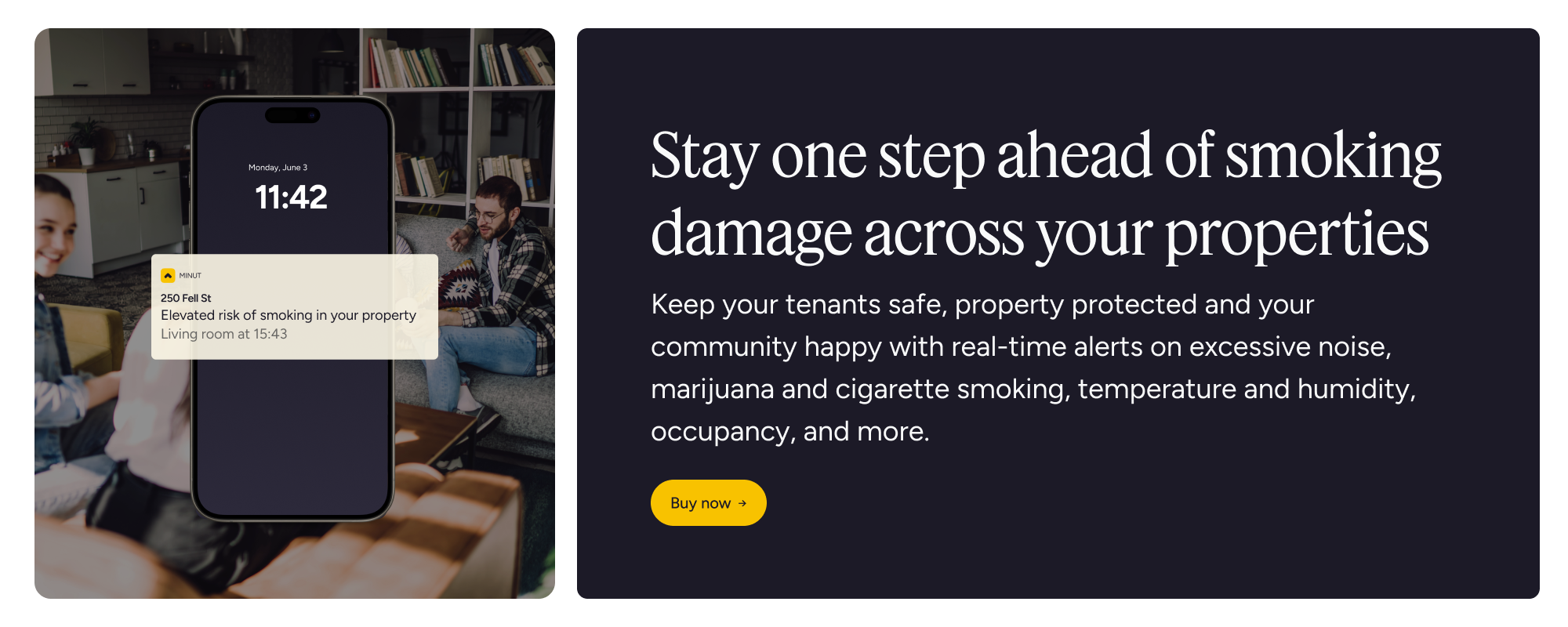
When smoke is detected, Minut sends an instant alert with a timestamp. Your team can send a friendly reminder via automated messaging, call the guest if needed, or dispatch local staff when appropriate. Because each event is logged, you can document violations for cleaning fees, damage claims, and host protection programs where applicable.
Smoke detection vs noise monitoring: why hosts need both
While smoke detection targets indoor smoking, noise monitoring focuses on elevated decibel levels over sustained periods. Each serves a different operational purpose, and operators should consider monitoring both. Although noise isn’t as damaging to the physical property as smoke can be, it can cause problems with neighbors, harm your reputation, and may be a breach of local regulations.
Parties can encourage both behaviors, and the fastest way to prevent escalation is to spot the noise trend early and address it before a smoking incident follows. Conversely, smoke events at atypical hours can be a signal to check for noise or occupancy concerns. Together, these signals give your team the earliest possible view of risk.
Minut combines noise monitoring with cigarette smoke detection, motion and occupancy insights, temperature and humidity tracking, and tamper alerts. It’s a privacy-safe monitoring approach designed to help you enforce a short-term rental smoke policy while protecting sleep, comfort, and community relations.
Best practices for using smoke detection in Airbnb properties
The three pillars to successful implementation of smoke detection are: thoughtful placement, upfront disclosure, and responsible use of data.
Where to place devices: install your smoke monitoring device for rentals in common living spaces where guests are most likely to gather, typically the living room or an open-plan kitchen area. Avoid bedrooms and bathrooms, which are private spaces under platform rules. Keep devices high and central for best sensitivity and coverage.
How to disclose monitoring to guests: include a clear and friendly disclosure in your listing and house manual explaining that your home uses a privacy-safe monitoring device that tracks environmental factors like noise levels and cigarette smoke.
Use data responsibly: stick to the essentials such as alerts and timestamps for guest outreach, incident documentation, and internal review. Avoid using data in ways that exceed your disclosure. Privacy-first approaches earn trust, and trust earns compliance.
Who should use smoke detection?
The short answer is that every host or property operator should use privacy-safe smoke detection devices, whether managing one apartment or one thousand units.
Individual Airbnb hosts often need a simple, affordable way to prevent smoking in Airbnb homes without changing how they welcome guests. A small number of sensors in living areas can deter violations and remove ambiguity when they occur.
Multi-property owners and STR operators benefit from portfolio-level visibility, consolidated reporting, and workflows that tie smoke events to guest messaging, fee documentation, and incident follow-up. These are core capabilities in Minut’s property insights platform.
Hotels and aparthotels can complement their code-driven fire alarm systems with hotel smoke detection systems designed for policy enforcement. These solutions help minimize odor disputes, reduce housekeeping overtime, and protect brand standards without compromising guest privacy.
Minut scales across all of these use cases, from single homes to distributed portfolios, while aligning with STR compliance rules on monitoring and disclosure.
Final thoughts: protect your property without compromising privacy
Responsible hosting means anticipating risks, setting clear expectations, and giving your team the tools to respond quickly and fairly. Smoke detection for Airbnb and professional STRs is a privacy-first, policy-enforcement layer that helps you deter smoking, reduce disputes, and keep units guest-ready with less downtime.
The broader industry is aligning around this approach. Public smokefree policies are now common, hotel brands publish smokefree rules and fees, and platforms define transparent boundaries for privacy-safe monitoring. That is the future of STR management: protecting people and property while preserving trust.
Smoke detection for Airbnb and STRs: FAQs
Is smoke detection allowed in Airbnb rentals?
Yes, when it is disclosed and respectful of guest privacy. Airbnb permits non-recording environmental and decibel monitors in common areas, but prohibits interior cameras. Always disclose devices in your listing and house manual and confirm locations comply with platform rules.
How does smoke detection work without recording guests?
Privacy-safe monitoring relies on environmental sensors and intelligent classification, not cameras or microphones. Minut’s device offers smoke detection without cameras, and sends real-time alerts with timestamps.
Do hosts need to disclose smoke detection devices?
Yes. Airbnb requires disclosure for non-recording monitors and sets placement rules that keep devices out of private spaces.
Can smoke detection help charge smoking fees?
Yes. Timestamps and event logs help you document guest smoking violations and assess cleaning fees under your house rules. They also support claims under platform host protections when available.
Is smoke detection different from smoke alarms?
Completely. Smoke alarms are designed to alert occupants when there is a potential fire, which can save lives. Policy-enforcement sensors are separate tools that help you manage house rules and prevent damage.
Where should smoke detection devices be installed in rentals?
Place sensors in common areas where guests gather, such as the living room or open kitchen, and never in bedrooms or bathrooms. Keep devices high and central for better performance, and always follow platform rules for disclosure and placement.
Can smoke detection prevent repeat smoking violations?
Yes. Disclosure deters violations, and real-time alerts let you intervene early. Over time, incident logs help you refine screening, tailor guest messaging, and strengthen your short-term rental smoke policy.
Are privacy-safe smoke detection devices legal?
Yes, but you have a responsibility to follow local laws and platform rules. For example, guests should be made aware of the devices, and they can’t be placed in rooms such as bathrooms or bedrooms.
What is the best smoke detection solution for Airbnb hosts?
Choose privacy-first technology that detects smoke in real time, avoids audio and video, and provides clear incident logs. Minut combines cigarette smoke detection with noise, occupancy, temperature, and humidity insights to help you enforce rules and protect your property at scale.


.png)





.jpg)