This article serves as a step-by-step roadmap for new operators entering the serviced apartment market. It explains what serviced apartments are, how they differ from traditional rentals or hotels, and what it takes to launch successfully.
Serviced accommodation apartments have quietly become one of hospitality’s most resilient success stories. They bridge the gap between hotels and home rentals, offering the privacy and space of an apartment with just enough service to keep stays seamless. That mix is exactly what modern travelers want, especially remote workers, relocating families, and project teams on multi-week assignments.
The reasons are compelling: extended-stay and aparthotel concepts have consistently outperformed traditional hotels on occupancy and margins, helped by longer average stays and leaner staffing models. In the U.S., for example, extended-stay occupancy maintained a significant premium over the broader hotel industry into 2025.
In Europe, serviced apartments still account for only about 6.1% of accommodation supply in major cities, leaving meaningful headroom for growth, while net operating profit margins often exceed those of comparable hotels in prime markets.
At the same time, demand engines are firing. The Global Business Travel Association projects record spending of roughly $1.57 trillion in 2025, with strong corporate and relocation travel expected to continue feeding extended-stay demand.
With the right setup, processes, and technology, even small teams can build a profitable serviced apartment operation, competing effectively with larger brands while remaining nimble.
What is a serviced apartment?
A serviced apartment is a fully furnished unit available for short or medium-term stays. It blends elements of traditional rentals and hotels to deliver a more flexible, home-like experience without the overhead of full-service hospitality.
How serviced apartments differ:
Traditional rentals: Typically unfurnished, longer leases, limited or no services, and utilities handled by the tenant. Serviced apartments are furnished and bookable for weeks or months, with utilities and essential services included.
Hotels: Offer structured services and daily housekeeping but less space and privacy. Serviced apartments offer kitchens, living areas, and weekly or light-touch service, giving guests more autonomy.
Core features you’ll find in most serviced accommodation apartments include fully furnished spaces, flexible lengths of stay, utilities baked into the price, professional housekeeping at regular intervals, and responsive support when guests need help. The category ranges from a single unit run by an independent operator to branded multi-property portfolios.
6 steps to starting a serviced apartment business
Here are the six steps to follow if you're looking to start a business with serviced accommodation apartments, from getting started to scaling.
Step 1: Choose your business model
The starting point is deciding how you’ll control inventory and earn revenue. Three common models are:
Ownership: You own the real estate and operate the units. Capital intensive but gives full control over asset, brand, and operations.
Lease arbitrage: You master-lease units from a landlord and operate them as serviced apartments. Lower upfront capital, but lease liabilities make performance discipline crucial.
Management agreement: You manage units on behalf of owners for a fee and potential incentive. Lightest on capital, though you rely on pipeline and owner alignment.
Your evaluation should assess location, demand drivers, and regulations in tandem. Look for mixed demand patterns, e.g. weekday corporate traffic plus weekend leisure, if the property is near business districts, hospitals, universities, or infrastructure projects.
The regulatory environment matters more than ever. Europe has introduced harmonized short‑term rental data‑sharing rules to improve enforcement, a trend that is pushing demand toward professionally managed and compliant inventory. Other major cities are also tightening oversight. New York City’s Local Law 18 eliminated tens of thousands of illegal listings, leaving a smaller, fully registered base. And Houston’s new citywide ordinance requires registration and enables revocation for repeated noise or code violations, with enforcement beginning January 2026.
It's also important to match product and processes to your target segments:
Business travelers: Prefer central locations, reliable Wi‑Fi, dedicated workspace, strong quiet-hours enforcement, and regular housekeeping. Corporate rates and invoicing support are critical.
Digital nomads and remote professionals: Value functional workspaces, gym or co‑working partnerships, and extended-stay discounts. Self-service check-in and responsive messaging go a long way.
Families and relocations: Look for larger layouts, laundry, parking, and convenience partnerships.
Tip: Start with fewer, higher-quality units so you can perfect your systems, earn reviews, and build repeatable operations before scaling.
Step 2: Understand legal and financial setup
Choose the right business structure and document everything from day one. Depending on your jurisdiction, an LLC or limited company often suits hospitality operations because it separates personal and business liabilities. Consult local counsel on permits, zoning, and licensing. Fire and life-safety compliance is non-negotiable, and you’ll need the right blend of general liability, property, and business interruption insurance. Understand your tax position too: local occupancy taxes, VAT or sales tax, and corporate tax treatment for stays over certain durations.
Put proper financial systems in place early. Your property management system (PMS) should integrate with accounting tools, so you can track ADR, RevPAR-like metrics for your portfolio, occupancy, channel mix, and unit-level profitability.
Step 3: Design and furnish for flexibility
Your furnishings must withstand high turnover while delivering comfort that keeps guests for longer and drives referrals.
Start with a neutral base that photographs well, then add durable pieces that can be refreshed without replacing entire rooms. Modular furniture, sleeper sofas in living rooms, and multipurpose dining desks help you flex between solo travelers, couples, and families. Kitchens should be fully functional, not just decorative. Think cookware, sharp knives, and a coffee setup that meets business‑travel expectations.
Consistency is powerful. Create a brand guide for colors, materials, and amenity standards so your portfolio feels cohesive across locations. Also consider investing in professional photography, as strong visuals lift conversion on every channel.
Above all, design for self-service. Travelers increasingly prefer properties that minimize unnecessary staff interaction and enable mobile/self‑service. Recent research indicates that 73% of travelers prefer hotels that reduce staff interaction through mobile and self-service options, and 74% are open to AI‑enabled personalization. For serviced apartments, that means clear pre‑arrival instructions, keypad or smart-lock entry, and well-labeled in‑unit guides. A one‑bedroom serviced apartment with a dedicated workspace, robust Wi‑Fi, and reliable, automated access will outperform a beautifully styled unit that is hard to use.
Step 4: Build your operational foundation
Well-run serviced apartment businesses win on process, so it's important to systematize early in order to scale without scrambling.
Get the right PMS and workflow backbone
Choose a PMS built for multi‑unit, multi‑channel operations with automated scheduling for housekeeping, maintenance tickets, and integrations to locks and communication tools. The goal is to eliminate manual handoffs. Housekeeping frequencies should be predictable and tied to task lists. For maintenance, implement preventive routines to preempt leaks, HVAC issues, and appliance failures.
Labor shortages continue to challenge the broader hospitality sector, particularly in housekeeping and front‑of‑house roles. In late 2024 and into early 2025, roughly 65% of U.S. hotels reported staffing shortages, which has accelerated adoption of automation and lighter service frequencies. For serviced apartments, lean, technology‑enabled operations are both a necessity and a competitive advantage.
Add smart, privacy‑safe technology
Today’s regulators and platforms expect proactive risk management, especially around parties and over‑occupancy. Platforms report substantial reductions in party incidents after instituting anti‑party systems. Airbnb cites a more than 50% drop in global party reports since its permanent ban and targeted anti‑party technology, with fewer than ~0.06% of 2024 U.S. reservations resulting in a party report.
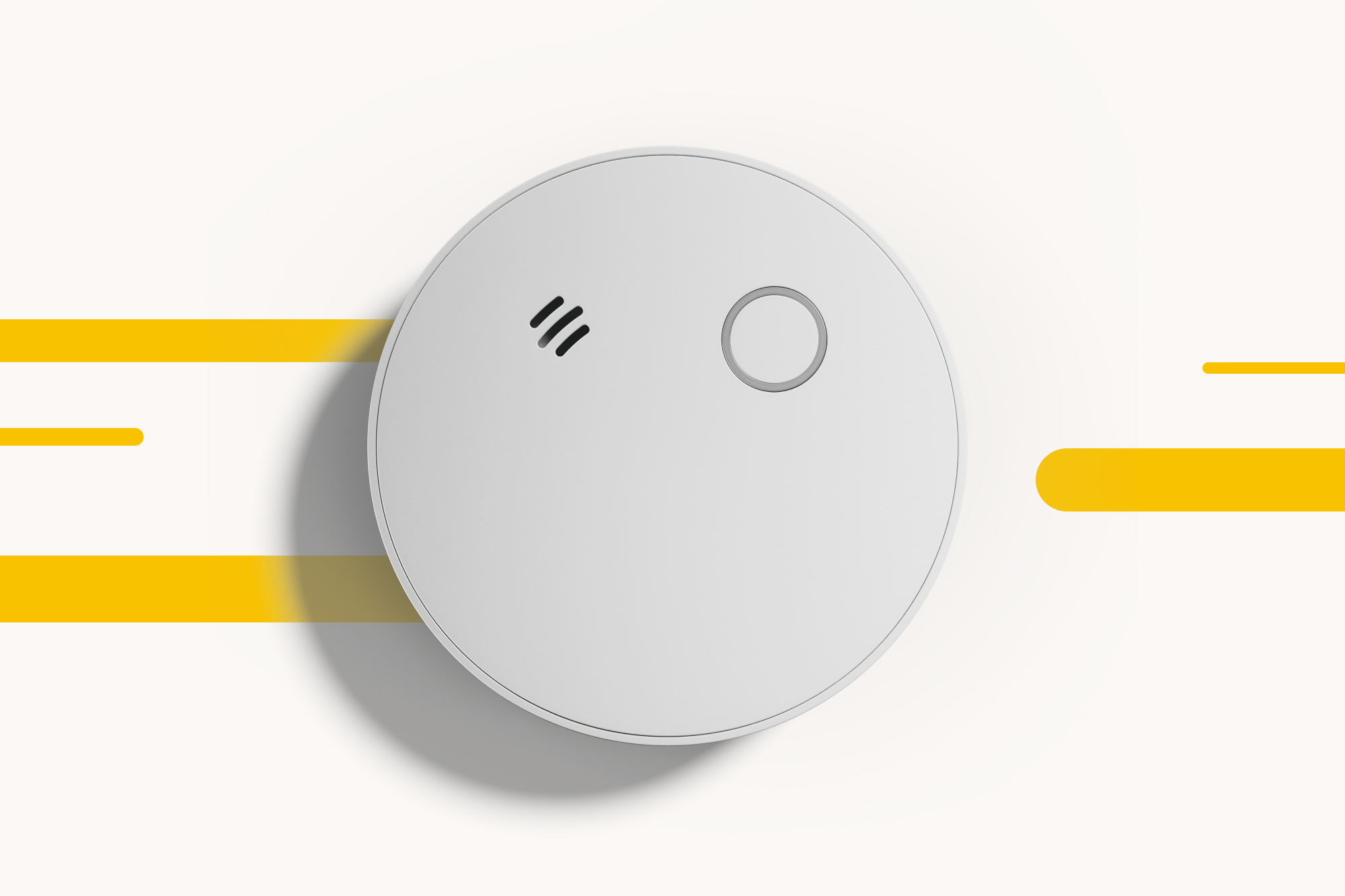
Minut was built for this reality. Our privacy‑first sensor helps serviced apartment and aparthotel operators prevent disturbances by monitoring noise, occupancy trends, and environmental conditions like temperature and humidity, all without using cameras or recording personal data. Automated guest messaging resolves the vast majority of noise issues with a polite reminder, and incident reports provide a documented trail that supports compliance, neighbor relations, and claims. To see how Minut is deployed at scale, read how Minut works in multi-unit properties.
Round out the stack with:
Smart locks and access control that integrate with your PMS to issue time‑bound codes automatically.
Energy management tools that optimize HVAC when units are vacant, lowering costs without compromising comfort.
Centralized messaging that unifies email, SMS, and OTA inboxes, so guests get timely, consistent responses.
This “system over scramble” approach reduces late‑night interventions and allows small teams to manage growing portfolios with confidence.
Make check-in and communication effortless
Automate pre‑arrival instructions, access codes, and house rules. During stays, proactive messaging keeps expectations clear and reviews strong, so think about things like parking reminders and quiet hours. Maintain transparency about any in‑stay monitoring. Guests appreciate well-managed properties when privacy is respected and communication is courteous.
Step 5: Market your serviced apartments effectively
Your channel mix should balance reach, profitability, and resilience. OTAs expand your top-of-funnel exposure, while direct booking can build brand equity and deliver stronger margins, and corporate partnerships can smooth seasonality and lift the average length of stay.
Build your long‑stay pipeline by:
Investing in localized SEO and a clear Google Business Profile.
Showcasing floor plans, workspaces, and weekly housekeeping in your listings.
Creating local partnerships that add value without adding staffing overhead.
Offering extended‑stay discounts and direct corporate rates with simple billing and flexible terms.
Business travel is a core driver of apartment‑style stays. With GBTA projecting 2025 global business travel spend of about $1.57 trillion, strong corporate demand should continue flowing to serviced apartments that deliver consistency, convenience, and privacy.
Step 6: Scale sustainably
Growth is earned when operations are stable, brand standards are documented, and margin is predictable. Expansion to new neighborhoods or cities should follow existing demand signals and regulatory clarity. With that in mind, standardize your unit specs, housekeeping checklists, and tech installations so every add-on is plug‑and‑play.
Use data to decide when to add units, where to adjust pricing, and how to refine service levels. As regulations continue to formalize — Barcelona’s decision to end tourist-apartment licenses by 2028 being a notable example — licensed aparthotels and professional serviced apartments are increasingly positioned as the compliant, long‑horizon product. A scalable, privacy‑safe oversight layer like Minut helps you meet escalating documentation and quiet‑hours expectations while protecting brand reputation across buildings and cities.
Common pitfalls to avoid
Now that we've covered the six steps to getting started, we need to look at some of the most common pitfalls that could cause you problems. This isn't an exhaustive list, and it's important to do thorough due diligence as part of your early and ongoing research.
Overleveraging early: Lease liabilities and setup costs can outpace revenue if you scale too fast. Validate demand with a handful of high‑quality units before committing to larger blocks.
Ignoring compliance: Registration, safety, taxes, and quiet‑hours rules are non‑negotiable. The EU’s data‑sharing rules and city ordinances like New York and Houston show that enforcement is heading toward transparency, documentation, and consequences for repeated violations.
Treating serviced apartments like static rentals: These are hospitality assets. They require active revenue management, consistent housekeeping, responsive communication, and risk prevention during the stay.
Scaling without standards: Document unit specs, brand elements, checklists, and tech. Without these, service quality frays as you add keys.
Final thoughts: Start small, think long-term
The serviced apartment sector rewards thoughtful, guest‑first operators. Demand is durable, the service model is lean, and the regulatory tide is favoring professionalized inventory. Start with a focused set of well‑designed units, build a systemized operational foundation, and adopt privacy‑safe technology that keeps you a step ahead during every stay.
With the right planning, tools, and partnerships, small teams can build a resilient, profitable serviced apartment business that scales on their terms. Success in serviced accommodation comes from consistency, not complexity.
FAQs
What is a serviced apartment and how does it differ from a hotel?
A serviced apartment is a fully furnished unit designed for short or medium-term stays, with utilities and periodic housekeeping included. Compared with hotels, serviced apartments offer more space and privacy, full kitchens, and light‑touch services such as regular housekeeping and self‑service options.
How profitable is a serviced apartment business?
Extended‑stay and aparthotel formats tend to deliver higher operating margins than comparable hotels thanks to longer average stays and leaner service models. HVS benchmarking shows economy extended‑stay properties achieving gross operating profit ratios up in the mid-50% range, compared to the mid-40% range for midscale hotels.
What technology helps manage serviced apartments efficiently?
Start with a PMS that automates channel management, housekeeping, and maintenance workflows. Add smart locks for seamless access and energy tools to control HVAC. A privacy‑first monitoring solution like Minut helps prevent parties, protect brand reputation, and document quiet‑hours compliance without cameras.
How can I attract long-stay and corporate guests?
Focus on what these guests value: quiet, reliable Wi‑Fi, dedicated workspaces, weekly housekeeping, flexible billing, and locations near business hubs. Offer extended‑stay discounts and build partnerships with relevant businesses such as co‑working spaces and gyms.








.jpg)