Amsterdam short-term rental laws in 2026: the host rulebook
A 2026 guide to Amsterdam short-term rental rules, covering the main-residence requirement, 30- and 15-night caps, permit and registration obligations, tourist tax, and the city’s formal escalation ladder for neighbourhood-level restrictions.
Amsterdam can be a great place to host, but the city’s short‑stay rules leave very little room for improvisation. This market requires a permit plus registration system for your main residence only, with hard night caps and per‑stay notifications baked in.
This guide covers the short-term rental laws in Amsterdam for 2026, including how night caps work, the rules on second homes, and how to operate.
You need a holiday‑rental permit (fee of €76 in 2026), a free national registration number, and you must notify the municipality before every individual stay. Fines start at €1,500 for individuals and €3,000 for business operators, and rise for night‑cap overruns and repeat offences.
Holiday rental vs B&B
If you’re renting out part of your home and you’re present during stays, you’re likely a Bed & Breakfast operator. B&Bs have their own permit, occupancy and floor‑area rules, and they’re capped by a neighbourhood quota. In practice that means no more than about 40% of the home and a maximum of two rooms for guests, with the host present during stays.
Permits, registration numbers, and the per‑stay notification
There are three recurring steps to get right before guests arrive.
Apply for the holiday‑rental permit. As of 2026, the fee is €76. Check the City’s permit page for the current processing time and validity period.
Get a free national registration numbervia the Dutch portal, you must display it in every listing and booking channel.
Notify the City before every stay using the designated online notification process. Keep the confirmation email and notification ID.
Platforms are part of this compliance loop. The City has fines for individuals, businesses, and platforms. In practice, if your ad is missing the number — or the City instructs a block for a breach — expect it to come down.
Amsterdam enforces its rules and it’s definitely worth familiarizing yourself with the potential fines. Renting out a home without a permit has a first offence fine of €1,500 for individuals and €3,000 for businesses, while platforms can be fined €5,000 for each offence of publishing adverts without a registration number.
Taxes: tourist tax and pricing implications
Amsterdam’s tourist tax for 2026 is 12.5% of the net room price before VAT. It applies to hotels, hostels, B&Bs, apartments, campsites, and short‑stay alike. If you collect payment, you collect the tourist tax and remit it to the City. Build it into your pricing and state it clearly in your house rules and check‑out messages so guests aren’t surprised.
Safety requirements and private building rules
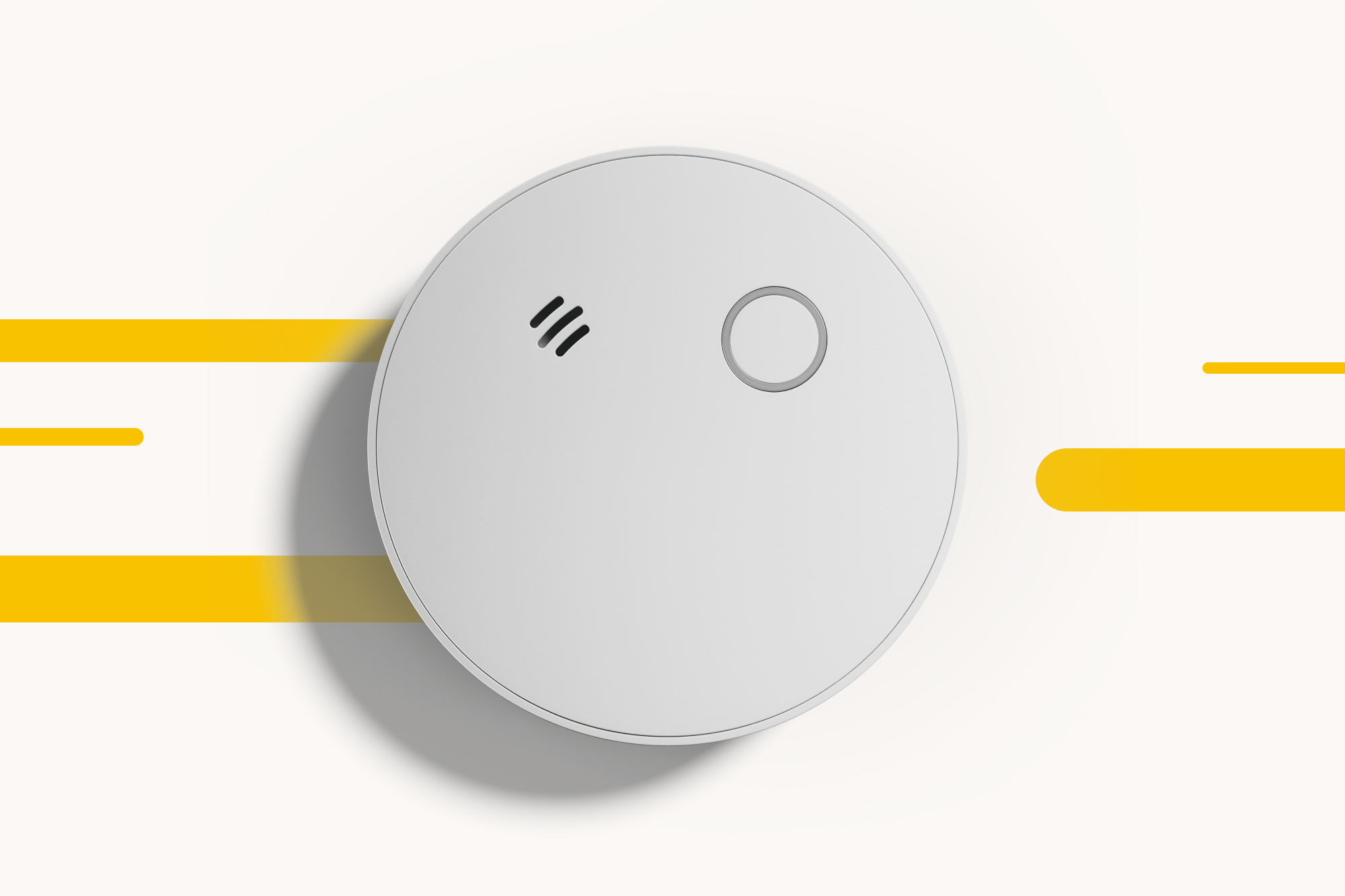
Holiday rentals must be “brandveilig” (fire‑safe). Nationwide Dutch building rules require working smoke detectors on every floor; for guest use, detectors in or near sleeping areas and clear escape routes are expected as part of fire‑safe operation. Keep exits clear and installations up to standard. CO detectors are also strongly recommended wherever you have combustion appliances. by any combustion appliance.
The EU’s short‑term rental data‑sharing rules now apply across Europe, as of 20 May 2026. Under Regulation (EU) 2024/1028, platforms must verify and display registration numbers and send standardised activity data through a Single Digital Entry Point run by each Member State. The Netherlands already operates a national portal for registration and notifications, so the City should have cleaner, more frequent data for enforcement without adding extra forms for hosts.
Neighbourhood‑level tightening is likely to continue under the Escalation Ladder. The first cut to 15 nights arrived on 1 April 2026 in eight central neighbourhoods. If over‑tourism pressure persists elsewhere, expect the same playbook: more 15‑night zones, or a temporary stop where the data and thresholds justify it.
How to operate cleanly under Amsterdam short-term rental laws
Confirm the property is your main residence. Amsterdam checks against the BRP and expects real occupancy, not a paper address. If it’s a second home or an investment property, holiday rental isn’t available.
Do the paperwork once, then repeat the notifications. Get the permit and the free registration number, and paste that number in every listing. Notify the City before every rental period and keep the confirmation email with its notification ID.
Know your cap: 30 nights per calendar year for most of the city, and 15 nights if your address is in Haarlemmerbuurt, Jordaan, Grachtengordel‑West, Grachtengordel‑Zuid, De Weteringschans, Burgwallen‑Nieuwe Zijde, Nieuwmarkt/Lastage, or Oude Pijp. Limit stays to four guests, including children.
Price with taxes in mind. The tourist tax is 12.5% at the time of writing this article. If you use channel taxes, check that the setting is correct and shows on guest invoices.
Keep safety simple and visible. Smoke detectors on every floor, detectors in or near sleeping areas, clear exit routes, and recent checks on gas and electrical installations.
Practical enforcement: prevent the incident, keep the record
Neighbour complaints can trigger formal inspections. To help avoid this, set clear house rules for your guests to follow, including the four‑guest limit and quiet hours.
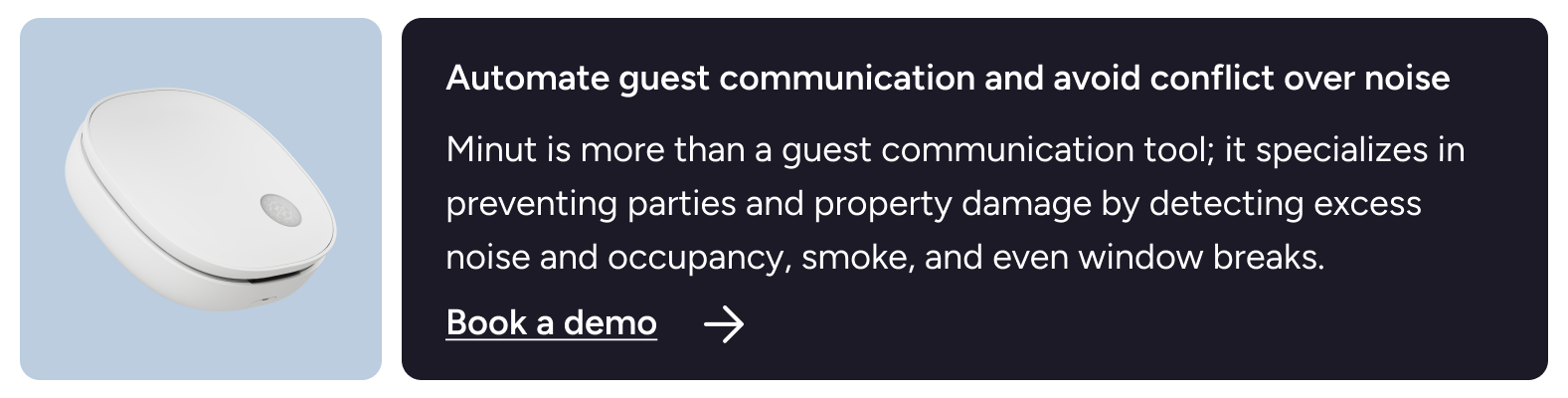
Privacy-first noise monitoring can also help operators identify potential noise or occupancy issues early and intervene before problems occur. If you use a sensor, disclose it clearly in the listing and comply with platform rules and applicable privacy law.
FAQs
Can I short‑term let a second home or investment property in Amsterdam?
No, holiday rentals are for your main residence only. Second homes and investment units are not eligible.
How many nights can I host, and does it depend on my neighbourhood?
Most addresses are capped at 30 nights per calendar year, and the occupancy limit is four guests at any time. Due to neighborhood-level tightening, some locations have a 15-night cap in place, so always check the local rules before operating.
What do I need before my first booking?
A holiday‑rental permit, a registration number, and a process to notify the City before each stay. Put your registration number in every ad.
What happens if I host without the right permit or forget to notify?
Expect fines. First‑offence amounts start at €1,500 for individuals and €3,000 for business operators for missing permits or notifications, with higher totals for night‑cap overruns and repeat breaches. Platforms can also be fined for publishing listings without registration numbers or failing to block an ad when instructed.
How much is Amsterdam’s tourist tax and who pays it?
It’s 12.5% of the net nightly rate (before VAT). You collect it from guests and remit it to the City.
What is the “Holiday Rental Escalation Ladder” and could I lose hosting rights long‑term?
It’s an official policy from 1 January 2026 that lets the City tighten rules per neighbourhood. Steps include dropping the cap to 15 nights for two years and, if needed, a temporary stop, in principle for three years, with a possible fourth year if conditions warrant.
Disclaimer
This article is provided for general information only and does not constitute legal, tax, or investment advice. Regulations change and may be interpreted differently by authorities. Always confirm current requirements with official city and regional sources and consult qualified counsel before making compliance or investment decisions.







.jpg)