Vacation rental safety checklist: why guest safety shouldn’t depend on the law
Use this vacation rental safety checklist to go beyond legal requirements and create a safer property with practical inspections, maintenance routines, and proactive guest protection strategies.
Guests don’t book a stay thinking about local codes. They assume that the lock will work, the stairs will hold, the smoke alarm won’t be dead. In other words, they expect to be safe in a property that they’ve paid money to stay in.
But that’s the potential gap between “legal” and “safe.” Rules can change from one place to the next, but guest expectations don’t.
The best hosts go beyond the minimum of ticking the right boxes, and make safety an operational habit. The business case backs it up: analysis has found that when reviews mention safety concerns, occupancy drops 1.5–2.4% and rates drop too.
In this article, we’ll look at why every vacation rental needs its own safety standard, and how to build that process.
Why every vacation rental needs its own safety standard
Although meeting the legal requirements is important for keeping guests safe and for being allowed to operate, it shouldn’t be considered the end goal. Here are a few reasons why.
Every property has different risks
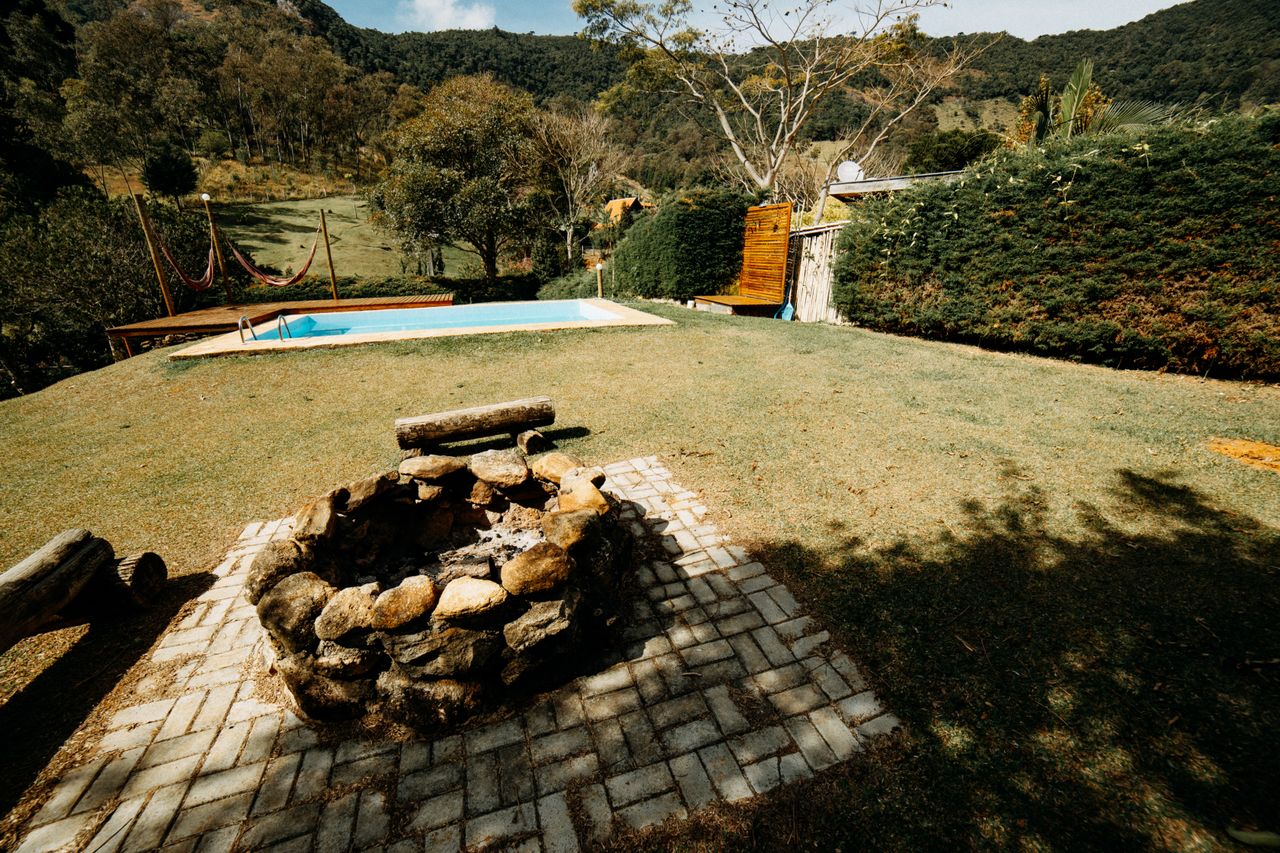
A checklist that works for a downtown apartment won’t necessarily cover a lake cabin. Homes with gas appliances carry carbon monoxide risk. Cabins and mountain properties face winter hazards and potential access issues. Beach houses deal with corrosion, salt air, and deck safety. Apartments often rely on shared building systems, so detector placement and evacuation guidance matter more. If you have outdoor spaces, a swimming pool, or fire pit, you have different measures and warnings to consider than a property with none of those things.
Guests assume safety has already been checked
Guests don’t weigh zoning codes before they book. They assume smoke and CO detectors work, exits are clear, and railings won’t give way. If you want to signal that you take safety seriously, share transparent policies in your listing and messages.
Small oversights can become serious incidents
Most “safety” work isn’t heroic. Rather, it’s catching the slow drip under the sink before it becomes mold, replacing the tired extension cord on the patio heater, tightening that wobbly stair baluster, and removing trip hazards. The goal is to remove the routine failure points that cause disasters and injuries.
The common safety gaps that hosts miss
Life safety equipment
Smoke detectors, CO detectors, and fire extinguishers are non-negotiable, and many jurisdictions require them — but installation alone isn’t enough. Devices expire, sensors age, batteries die, and some guests tamper with them. For these reasons, it’s recommended to keep a testing and replacement log, and test sensors between each stay so you know every stay is protected.
Property maintenance
Issues like loose railings and uneven pavers cause more real injuries than rare headline events. The seemingly trivial issues need to be corrected as soon as they’re noticed. If you operate at scale, document monthly checks by area e.g. decks, stairs, bathrooms, kitchens, driveways.
Emergency readiness
If a guest can’t reach you or local services in a hurry, they’ll lose confidence fast. Missing contact numbers, hard-to-find extinguishers, vague evacuation maps, and empty first-aid kits are all fixable in an hour. Leave printed guidance at eye level near exits and in the guest handbook, and include utility shut-off instructions for water and gas.
Building a safety process instead of a one-time checklist
Before every guest stay
Treat turnover like a short safety sprint. During your walk-through, hit life safety first:
Press-to-test smoke and CO detectors.
Confirm extinguishers are charged and mounted.
Check exit lighting and exterior motion lights
Run water in sinks to spot leaks.
If you use remote monitoring, confirm devices are online and decibel thresholds are set for the booking window.
Monthly property reviews
Once a month, step back and inspect the structure and systems. Tighten railings, look for heat discoloration on outlets, run a damp check in under-sink cabinets, date-check the first-aid kit, test detectors again and record results. Photo-document everything and store it with your maintenance logs. This record becomes proof if you ever need to support an Airbnb claim or insurance discussion.
Annual preventive maintenance
Once a year, schedule anything that needs to be done routinely, like an HVAC service, a licensed electrical inspection in older properties, chimney and dryer vent cleaning where applicable, and appliance maintenance. Put detector replacement years on the calendar too, so you don’t end up with “mystery chirps” during peak season.
The complete vacation rental safety checklist
Fire and carbon monoxide safety
Test all smoke detectors and all CO detectors using the device button, and log results.
Replace devices at end-of-life and swap any discolored or damaged units.
Install fresh batteries where applicable.
Verify detector placement in bedrooms, hallways, and on every level per manufacturer guidance.
Confirm fire extinguishers are visible, mounted, and charged.
Property safety
Inspect exterior doors and smart locks. Confirm smart codes expire on checkout.
Test exterior lighting and motion sensors at night.
Check stairways for solid treads, secure railings, and clear landings.
Remove trip hazards such as loose rugs, curled doormats, and extension cords.
For pools or hot tubs: verify barriers, latches, covers, signage, and water chemistry.
Emergency preparedness
Post emergency contacts, your 24/7 number, and local non-emergency police.
Provide a simple evacuation map at eye level and in the digital guidebook.
Stock and date-check a first-aid kit with bandages, antiseptic, gloves, and burn gel.
Mount at least one ABC fire extinguisher on every level and in the kitchen.
Label and document water, gas, and electrical shut-off locations with photos.
Guest communication
Share house rules in booking confirmation and pre-arrival messages.
Include clear safety instructions for grills, fireplaces, pools, and heaters.
Create a Wi‑Fi landing page or QR card with emergency numbers and your support line.
Disclose privacy-safe sensors in the listing. People planning parties are far less likely to book homes with visible noise monitoring.
How Minut helps hosts create safer vacation rentals
Safety isn’t just about alarms. It’s about the environment your guests actually experience: temperature and humidity that protect against mold and HVAC strain, early signs of cigarette smoke that let you act before damage spreads, and clear signals around noise and occupancy that keep neighbours on side. Minut monitors noise, smoking, occupancy, and indoor climate without cameras or microphones, giving operators a privacy‑first view of what’s happening inside the property.
When an issue is detected, the system doesn’t just log it, it can also trigger action on your behalf. The host gets real-time notifications, and guests can be messaged encouraging them to keep the noise down.
Minut also integrates with PMS tools and booking calendars so alerts and device status map to real stays, helping teams react faster, document due diligence, and maintain consistent standards across portfolios. That combination of real‑time insight and operational support is what turns safety from a compliance checkbox into a repeatable hosting standard.
Conclusion
Passing local checks is a starting point, not the finish line. The safest rentals treat guest protection as part of daily operations. That approach reduces incidents, protects revenue, and makes life easier for your team.
Vacation rental safety checklist FAQs
What should a vacation rental safety checklist include?
Cover life safety equipment, property maintenance, emergency readiness, and guest communication. That means working smoke and CO detectors, mounted extinguishers, sturdy railings and lighting, posted emergency contacts and evacuation info, a stocked first-aid kit, and clear house rules.
How often should hosts inspect vacation rental safety equipment?
Test detectors before every stay and during monthly reviews. Replace devices at manufacturer end-of-life. Keep a dated log with photos.
How can hosts improve guest safety beyond legal requirements?
Make safety part of turnover, run monthly structural and systems checks, post emergency guidance, and add privacy-safe monitoring that alerts you when noise or smoke risk appears.








.png)