Airbnb safety vs hotels: key differences and what hosts must do
This article explores how Airbnb safety differs from hotels, why hosts have different responsibilities, and the best practices for protecting guests, properties, and your business.
If you’ve ever been woken by a call about a noise complaint in the middle of the night, you already know this: running a short-term rental is not the same as running a hotel. Both care about guest safety, but they get there in different ways: whereas hotels have staff on-site 24/7, most Airbnb hosts don’t.
That gap changes how you manage risk, protect your property, and deliver a safe stay. Where hotels buy safety with on‑site staff, remote hosts buy it with preparation, clear rules, and early alerts
Airbnb safety vs hotels: the short answer
Airbnb safety isn’t a copy‑and-paste of hotel safety because the operating models are different. Hotels rely on on‑site teams and standardized procedures, while most Airbnb hosts manage remotely and need tools, clear rules, and early alerts to catch issues before they escalate. A privacy‑first monitoring approach gives hosts the continuous awareness hotels get from staff, without invading guest privacy.
Why Airbnb and hotels operate under different safety models
Short‑term rentals have grown into a massive, distributed hospitality network. Airbnb alone counts around five million hosts and more than 2.5 billion guest arrivals as of 2025, which brings scale and complexity hotels don’t face in the same way. That growth sits on top of a core operational difference: hotels control a single building with staff on every floor, while many hosts manage homes scattered across a city or even countries.
Hotels have dedicated on‑site teams
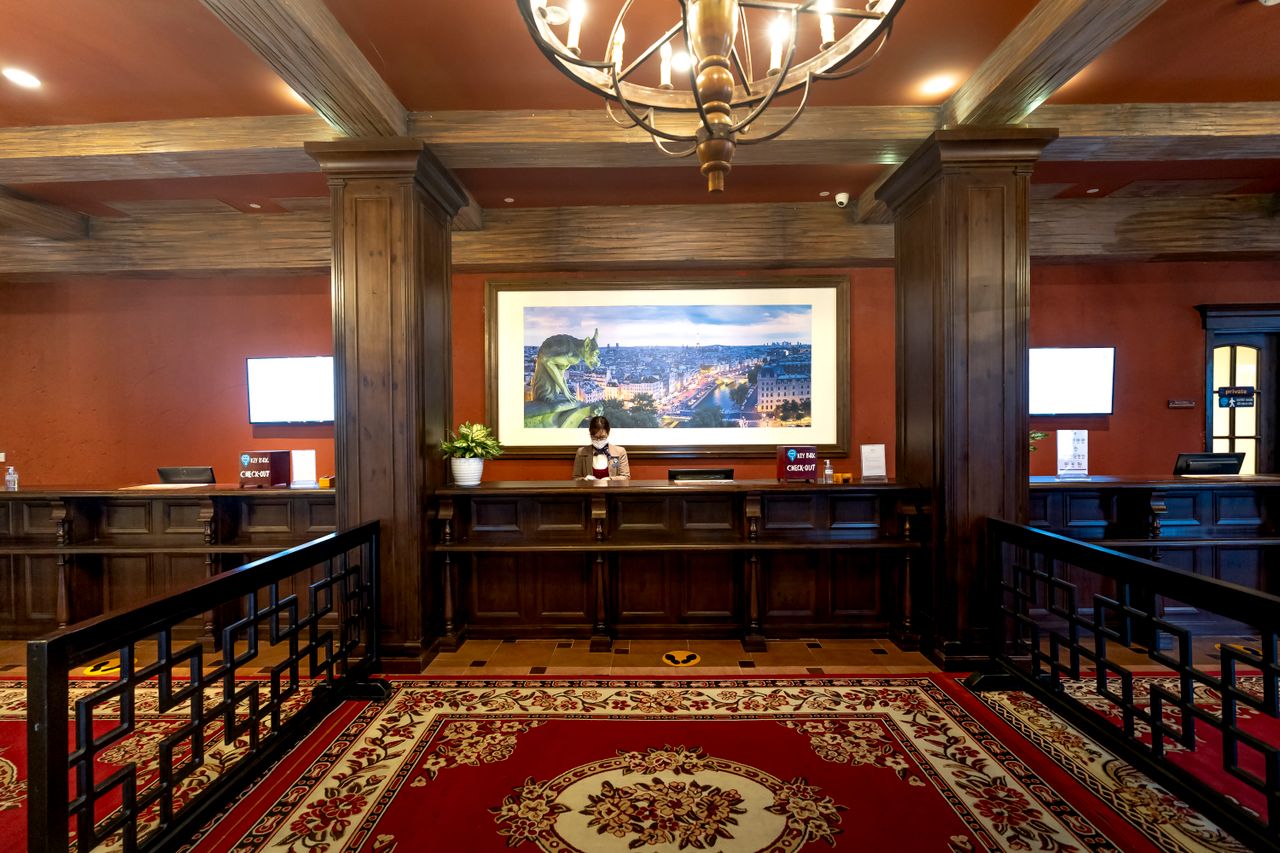
In a hotel, safety starts with presence. Front desk teams verify IDs and see who’s coming and going. Security can handle disturbances before they escalate. Housekeeping notices hazards during daily service. Maintenance fixes issues between room turns. If a pipe bursts, someone is on it in minutes. The whole system is built on eyes, ears, and hands on property.
Airbnb hosts often manage properties remotely
Many Airbnb stays begin with self check‑in. That’s convenient for guests, but it also means you won’t meet most of them. Remote hosts may oversee multiple listings at once, coordinate cleaning and maintenance through partners, and handle all communication through the app. You don’t have a lobby, so you can’t lean on front desk oversight. And when something goes wrong at 1 AM, there’s no night manager to walk upstairs.
Different operating models require different safety strategies
Copying hotel playbooks straight into a vacation rental rarely works. As noted already, hotels solve problems through people in the building whereas remote operators need early signals and tight processes. Hosts also carry more direct responsibility: unlike hotels, which typically undergo regular safety inspections, many short‑term rentals are not subject to the same routine independent checks, shifting more day‑to‑day responsibility to the host to prepare the property and document that preparation.
What safety responsibilities fall on Airbnb hosts
Whether you manage a single studio or 50 homes, the framework is the same: prepare before arrival, set clear rules, and support guests during the stay.
Preparing the property before every stay
Start with the basics that save lives and prevent claims:
Test smoke alarms.
Add carbon monoxide detectors if they’re necessary in your property.
Keep a charged fire extinguisher in an obvious spot.
Place a simple, printed emergency sheet by the door listing exits, the property address, and local emergency numbers.
Prioritize maintenance checks for anything with heat or flame, and place grills at least 10 feet from combustible materials where local code requires it.
If you operate remotely, a brief post‑clean “safety pass” by your team before each check‑in pays off more than any refund later.
Setting clear house rules
Guests don’t read minds. Spell out quiet hours, smoking policies, and occupancy limits in booking messages and the house manual. Be specific. “Quiet hours 10pm–8am. No smoking of any kind indoors. Max occupancy 6 people at all times.”
If you plan to use a noise sensor, list it on your Airbnb page. People looking to throw a party will be more likely to skip your place, and respectful guests will appreciate that you protect the neighborhood. For smoking, state the fine and explain why it exists. Cleaning up stale smoke can be expensive and the smell lingers, which is why operators treat it as a serious violation.
Supporting guests during their stay
Safety improves when guests know how to reach you and what to do in an emergency. Share one reliable contact method and a backup. If you can’t be on call around the clock, set an expectation for response time and build a simple decision tree for your team: water leak, gas smell, noise complaint, lockout. The faster you acknowledge an issue, the less likely it becomes a review problem.
The biggest safety risks Airbnb hosts face
Safety risks in short‑term rentals aren’t theoretical. They show up as neighbor complaints, refunds, damaged homes, and in serious cases, emergencies.
Unauthorized parties: Large gatherings spiral fast. Property damage, police calls, and strained neighbor relations can follow a single night. Remote operators need earlier signals than a neighbor banging on the door.
Indoor smoking: Indoor smoking remains one of the most common operational headaches. It drives extra cleaning, odor remediation, and upset future guests.
Noise disturbances: Noise starts as a neighbor problem and becomes a platform problem when complaints and low ratings stack up. That’s why quiet hours aren’t optional.
Property emergencies: Water leaks, HVAC failures, or environmental hazards can sit for hours in a vacant home. Carbon monoxide events in shared accommodations have been documented, as have fires.
Building a safer Airbnb experience without feeling intrusive
Set expectations early, prepare for the handful of incidents that actually happen, and choose privacy‑first tools.
Communicate expectations before arrival
Use booking messages to set the tone. “We’re glad you’re staying. Quiet hours 10pm–8am to keep neighbors happy. No smoking indoors. Max 6 people, no extra visitors. We use a noise sensor in the living room to measure decibel levels only.” A short note like this cuts most problems in half.
Give guests a single PDF or printed sheet with the property address, emergency numbers, shut‑off locations, and what to do if there’s a leak or power issue. Build a standard response plan for your team. If a noise alert fires for 10 minutes straight, send a friendly message. If it continues, call. If a water sensor trips, call your local contact immediately. Decisions are easy when you pre‑decide.
Respect guest privacy while protecting the property
Guests deserve privacy, and Airbnb has banned all indoor cameras. It does, however, allow privacy‑safe tools like noise monitors that don’t record audio or video. If surveillance anxiety comes up, be transparent. You’re monitoring the environment, not the guest. Decibel sensors measure sound levels without but don’t listen to conversations or record audio.
Why proactive property monitoring is becoming part of modern Airbnb safety
In hotels, staff are your early warning system. In a vacation rental, privacy‑first sensors and automated messages take that role. You’re not trying to catch people out; you’re trying to learn about problems when they’re still small.
Traditional approach
Proactive monitoring
Guest reports issue
Earlier operational alerts
Reactive response
Faster intervention
Limited visibility
Continuous property awareness
Problems discovered after checkout
Better incident prevention
Earlier awareness leads to faster decisions
Noise, smoking, and basic environmental issues make up the bulk of operator headaches. By finding out in real time, rather than once guests have checked out, you can nip the issue in the bud and avoid complaints, bad reviews, and extra cleaning. In practice, this looks like a living room noise alert that triggers a polite message after 10 minutes of sustained volume.
The goal isn’t to micromanage a stay. It’s to shorten the time between “there’s a problem” and “we fixed it.” If a water sensor catches a small leak before it soaks a cabinet, nobody leaves a one‑star review about a musty smell. If a guest gets a text at 10:12pm and turns the music down at 10:13pm, the neighbor never writes to the city. Faster feedback loops protect ratings, relationships, and margins.
Safety isn’t just about emergencies
Good operations are safety. Knowing when a door was left ajar at checkout, seeing temperature slip low enough to risk pipes, or catching humidity spikes that lead to mold are all small signals that prevent bigger issues. You don’t need a control room to get that awareness. You need a plan and the right, privacy‑safe signals.
How Minut helps Airbnb hosts create safer stays
Real‑time noise monitoring
Minut measures decibel levels and alerts you when sustained noise crosses your threshold, then can automatically message guests to ask them to lower the volume.
Smoking detection
Unauthorized smoking is costly. Minut detects environmental changes associated with cigarette smoke and alerts you in real time so you can act while the guest is still in the home. That nudge often prevents deep cleaning, ozone treatments, and review hits (privacy‑first smoking detection, how smoking prevention works in rentals).
The Minut M3 sensor tracks indoor temperature and humidity, letting you know if heat drops below a safe range in winter or humidity spikes. That way, you’ll know before it becomes a maintenance ticket or a mold issue.
Privacy‑first property monitoring
Minut doesn’t use cameras and doesn’t record audio. It monitors the environment, not the guest. That aligns with Airbnb’s ban on indoor cameras and with host obligations to be transparent about any monitoring devices used in common areas.
If you manage multiple listings, the dashboard centralizes alerts and reports across your portfolio. That way your team can run lean without flying blind.
Airbnb safety checklist for hosts
Use this quick pass before every booking:
Test smoke and carbon monoxide alarms, and confirm fire extinguisher access
Share a one‑page emergency sheet with address, contacts, and shut‑offs
Verify locks, codes, and entry systems work as expected
Message house rules pre‑arrival, including quiet hours and occupancy limits
Clearly explain no‑smoking policy and related fees
Review occupancy in the app and match it to your limits
Keep an incident response playbook for noise, leaks, and lockouts
Monitor high‑risk issues like sustained noise and indoor smoking proactively
Inspect the property between stays with a brief, repeatable safety pass
Use privacy‑first environmental monitoring to stay informed without cameras
Conclusion
Hotels buy safety with staff and standardized systems. Airbnb hosts don’t have that luxury, which is why Airbnb safety requires a different operational mindset. Preparation and communication carry most of the load, and privacy‑first monitoring fills the gap that on‑site teams handle in hotels.
The goal is prevention: catch noise before the neighbor calls, smoke before it seeps into soft goods, and leaks before they become claims. Minut gives hosts that earlier awareness while respecting guest privacy, so you can protect your property, support your community, and deliver safer stays.
Airbnb safety FAQs
How is Airbnb safety different from hotel safety?
Hotels have teams on property. Most Airbnb hosts manage remotely. That shifts responsibility to pre‑stay checks, transparent rules, and technology that spots problems fast.
What safety features should every Airbnb have?
Smoke and CO detectors, a visible fire extinguisher, clear exits, secure access, and a one‑page emergency sheet. Add privacy‑first environmental monitoring in common areas to catch issues early.
How can Airbnb hosts improve guest safety?
Set expectations before arrival, prepare for the handful of likely incidents, and use decibel and smoke detection that alerts you quickly.
How can Airbnb hosts prevent unauthorized parties?
Disclose a noise monitor in your listing, set quiet hours, screen for red flags like local last‑minute bookings, and act on early noise or crowding signals.
Why is proactive monitoring important for Airbnb safety?
Because remote operators don’t have staff on site. Early signals let you act before problems grow, helping to reduce damage, neighbor complaints, and refunds.
How does Minut help improve Airbnb safety?
Minut detects sustained noise, smoking, and environmental changes in real time, then can message guests automatically. Alerts are timestamped, giving you the record you need for platform claims or fines. No cameras or audio recording.





.png)



.png)