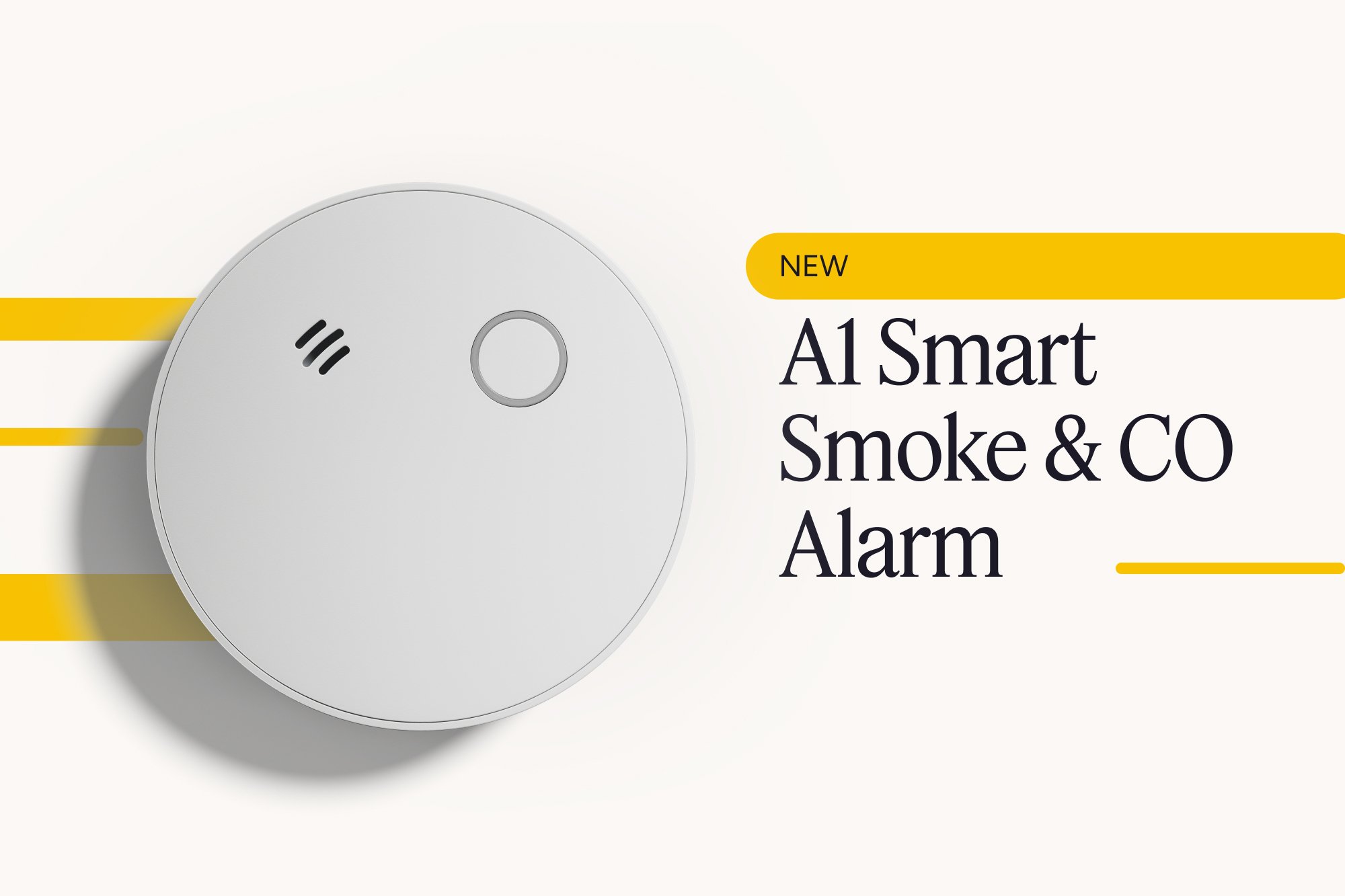
Safety starts long before you enter the property. Listings vary widely in preparation and upkeep, and photos only show the angles the host wants you to see. The safest stays come from a mix of smart pre‑booking checks and a quick walkthrough when you arrive.
This guide gives you the steps to pick a safe Airbnb and confirm it on site.
How to tell if an Airbnb is safe: quick answer
To tell if an Airbnb is safe, read recent reviews for clues about cleanliness, locks, lighting, and host responsiveness, then confirm that the listing shows smoke alarms, a fire extinguisher, and carbon monoxide detectors (or confirm with the host if carbon monoxide detectors aren’t necessary in that property). Also ask the host for emergency contacts and check‑in details, and when you arrive, locate exits and visibly verify the safety devices. If anything feels off — strong gas smells, missing detectors, broken locks — contact the host and leave if needed.
You make most of your safety decisions before you complete the booking. Given Airbnb’s massive scale, with millions of active listings, it stands to reason that not every place runs to the same standard. That’s why your own filters and sense of judgement are so important. Here’s how to apply them.
Read reviews for safety clues, not just ratings
Scroll beyond the star average. You’re looking for patterns. Mentions of spotless kitchens and bathrooms usually track with better upkeep across the board. Comments about the host replying quickly during a late check-in or helping with a stuck door say more about your safety than a generic “nice stay.” Reviews that flag street noise, poorly lit entrances, or sketchy late‑night activity are signals to weigh..
Look beyond the photos
Photos are marketing. Read them like a property operator would. Can you see exterior lighting by the path and at the door? Is the entry covered, or will you be juggling a keypad in the rain at night? Zoom in on staircases and look for handrails, consistent riser heights, and unobstructed steps. Scan the kitchen photos for a visible fire extinguisher and a smoke alarm on the ceiling. If you spot a disclosed noise sensor in living areas, that’s a good sign the host manages risk early and is transparent about it.
Review the listing’s safety features
Open the Amenities and Safety sections and look for smoke alarms, carbon monoxide detectors, a fire extinguisher, and ideally a first‑aid kit. If CO detectors aren’t listed and the home has gas appliances or an attached garage, that’s a gap worth messaging about before you commit. If anything is unclear, ask. A host who takes safety seriously will give straight answers.
Ask questions before confirming your stay
The way a host communicates is an early indicator of how they run the property — you want specifics, not platitudes.
Confirm important safety equipment
Ask simple, direct questions:
Where are the smoke and carbon monoxide detectors located, and when were they last tested?
Is there a fire extinguisher, and where is it mounted?
Are there two independent exit routes from sleeping areas?
Don’t think of this as being difficult. You’re verifying that basic life‑safety gear exists and works.
Ask about emergency procedures
Request the local emergency numbers, the best contact for help during your stay, and any building access instructions for emergency responders. Airbnb maintains a 24‑hour safety line and, depending on the situation, can rebook guests if something goes wrong, but fast resolution usually starts with the host having clear steps ready. If you’re arriving late, confirm lighting and where to park so you’re not wandering a dark block with luggage.
Understand house rules
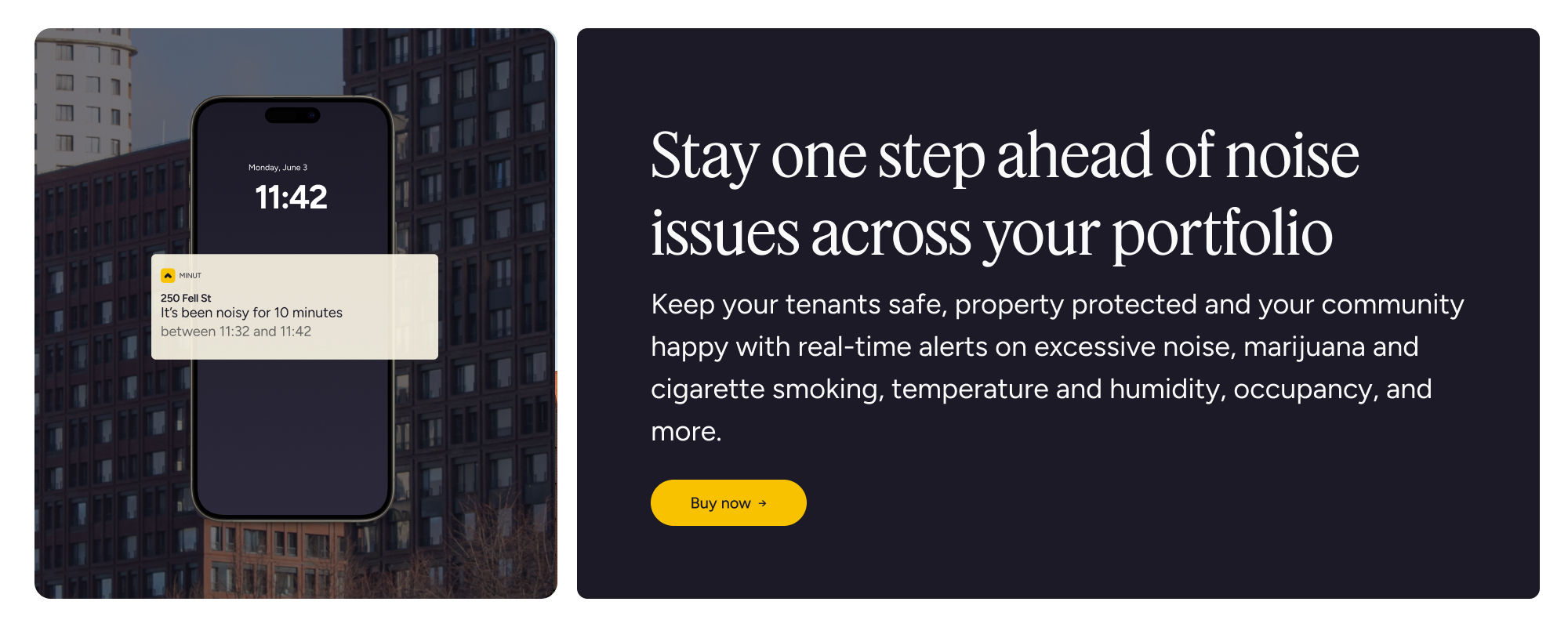
House rules are a safety tool when they’re clear and enforced: quiet hours, guest count, no‑smoking boundaries. Modern operators support those rules with guide books and house rules that share the rules clearly. They may also use privacy‑safe tech in common areas, such as Minut, so they can be made aware of unauthorized parties, smoking, and excessive noise.
A Minut M3 sensor
Perform a quick safety check when you arrive
Locate emergency exits
Find your primary exit and identify a second way out. Make sure door locks open easily from the inside without a key. If you’re on a higher floor, trace the path to a stairwell. If a secondary exit is blocked or inoperable, message the host.
Check safety devices
Look for smoke and carbon monoxide detectors in bedrooms and hallways. A quick visual check and a tap of the test button takes seconds. Confirm the fire extinguisher is present, accessible, and shows a green gauge. If you can’t find carbon monoxide detectors in a home with gas heat, fireplaces, or an attached garage, check with the hosts to find out if they have any.
Familiarize yourself with emergency information
Save the host’s phone number and any local contact for on‑the‑ground support. Snap a photo of the Wi‑Fi details and any posted instructions. If there’s a local emergency number card, save it.
Know the warning signs that shouldn’t be ignored
Good operators fix problems fast. Your job is to spot the ones that matter and speak up.
Missing or damaged safety equipment: No smoke or CO detectors where they belong, alarms with dangling wires, or empty extinguisher brackets are not “quirks.” Document what you see with photos, inform the host, and decide next steps together. If there’s any delay on critical fixes, request a cancellation or relocation through the platform.
Strong gas or burning odors: If you smell gas, overheating electrical, or unexplained smoke, get everyone out then call the host and local emergency services. Don’t wait to “see if it passes.” Platform support exists for exactly these scenarios, including help with rebooking.
Poor maintenance around the property: Loose handrails, cracked steps, exposed wiring, broken deadbolts, water‑damaged ceilings are not just signs of normal wear. They’re signs of deferred maintenance. If you see multiple issues on arrival, that’s a cue to re‑evaluate the stay. Guests regularly mention maintenance in reviews for a reason: it correlates strongly with safety.
What safe Airbnb properties have in common
Safety is built into daily operations
Operators keep checklists and stick to them. Detectors are tested between stays, fire extinguishers are inspected, doors and windows are checked for proper function. These hosts don’t just react when something breaks, they budget for preventive work so the property is ready for the next arrival.
Guests know what to expect
Clear communication reduces risk. The host sends arrival details in advance, posts simple safety instructions in the home, and replies fast. The listing matches the house rules and welcome materials so there’s no confusion about rules like quiet hours or smoking.
Modern safety technology supports better hosting
The best hosts use tech that protects people and property without intruding on anyone’s privacy. Beyond smoke and carbon monoxide detection, many also add environment‑only monitors in living spaces to detect sustained noise or signs of indoor smoking before they escalate. There’s a reason hospitality teams treat smoking and noise as primary risks: they account for about 65% of all complaints. Early alerts calm situations before they become emergencies or neighbor disputes.
Airbnb guest safety checklist
Before booking
Read the latest reviews for comments on cleanliness, locks, lighting, and neighborhood feel.
Check that safety amenities list smoke alarms, carbon monoxide detectors, and a fire extinguisher.
Review house rules for quiet hours, guest limits, and smoking policy. If anything’s unclear, ask.
Message the host to confirm detector locations, last test date, and where the extinguisher is.
Save the host’s number and request local emergency contacts and check‑in instructions.
After arrival
Locate the primary exit and a secondary route. Make sure doors open easily from inside.
Visually confirm smoke and CO detectors in sleeping areas and hallways, and spot the extinguisher.
Save Wi‑Fi details and any posted emergency info. Add the host’s number to your phone.
Report safety concerns immediately. If you smell gas or see fire hazards, leave and call for help.
Final thoughts
Safe Airbnb stays aren’t about luck. They’re about preparation. Read reviews with a safety lens, confirm the basics before you book, and run a quick arrival walkthrough. Those habits take minutes and make a real difference.
Responsible hosts go beyond the minimum and invest in preparation, maintenance, and modern safety systems. When you see clear safety amenities, straight answers from the host, and privacy‑safe technology that focuses on the environment rather than the guest, you’re looking at a place that treats your safety like part of the stay.
How to tell if an Airbnb is safe FAQs
How can you tell if an Airbnb is safe?
Start with recent reviews and confirmed safety amenities, then ask the host direct questions about detectors, exits, and emergency contacts. On arrival, verify detectors and exits yourself. If warning signs appear, contact the host and use Airbnb’s safety support if needed.
What should you do when you first arrive at an Airbnb?
Locate exits, verify smoke and CO detectors, find the fire extinguisher, and save the host’s contact details.
What are the biggest Airbnb safety red flags?
Missing or broken detectors, wobbly handrails, exposed wiring, broken locks, strong gas or burning odors, and a host who won’t answer straightforward safety questions. If multiple red flags show up, ask the platform to move you.
What questions should you ask an Airbnb host before booking?
Where are your smoke and CO detectors, when were they last tested, and where’s the fire extinguisher? Who do I call locally if there’s a safety issue at night? Are there two ways out from sleeping areas?
What should you do if an Airbnb feels unsafe?
Document what you see, message the host, and request fixes or a move. If there’s an active hazard, leave first, then contact local emergency services and Airbnb’s 24‑hour safety line for support.
How do responsible Airbnb hosts improve guest safety?
They combine maintenance checklists, clear communication, and privacy‑safe tech that lets them react early to potential issues.





.png)


.png)