Hotel management software that drives growth guide
Explore the advantages of hotel management software and how it replaces outdated workflows with smarter pricing, automated operations, and better guest communications.
Competition in the hospitality industry is sharper than ever. Guests expect seamless experiences, staff are stretched thin, and margins are under pressure.
Thriving hotels aren’t necessarily the ones with the largest teams. Rather, they use hotel management software to optimize their operations, leading to lower operational stress and a smoother guest experience.
The advantage of hotel management software is it allows you to replace outdated systems with connected, data-driven tools that give the ability to anticipate demand, empower staff, and deliver consistently better guest experiences.
In this article, we’ll examine what this software offers and how it can help to give you a competitive edge.
Why hotels are turning to management software to stay ahead
Legacy systems and manual workflows may feel familiar, but they create invisible friction on hotel performance. While they appear to be the cheaper option at first glance, the hidden costs can quickly pile up in the form of missed revenue opportunities, operational errors, and disjointed guest communication.
Let’s take a look at how these cause problems:
Static pricing can lead to missed opportunities for extra revenue. Without dynamic updates, your rooms are often underpriced on high-demand weekends or overpriced when the market dips.
Operational errors can lead to double-bookings, overlapping or missed cleaning schedules, and miscommunication between departments that slows everything down. Even worse, operational errors can cause your guest messaging to become inconsistent — delayed responses here, overlooked requests there — all adding up to experiences that don’t live up to your brand promise.
At the same time, these inefficiencies can drive up your costs as tasks take longer, or you need more people to complete the same workload. When your staff are stuck chasing details and correcting errors, they can’t focus on creating memorable guest experiences.
What modern hotel software does
Today’s hotel management software is built for flexibility, connectivity, and scale, making clunky front-desk terminals and siloed systems things of the past.
Modern platforms are cloud-based and mobile-friendly, which means your staff can access real-time information wherever they are and whatever task they’re doing, from room turnovers to inventory checks and handling guest requests. These systems also connect departments seamlessly, linking housekeeping, maintenance, front desk, and revenue management into one ecosystem.
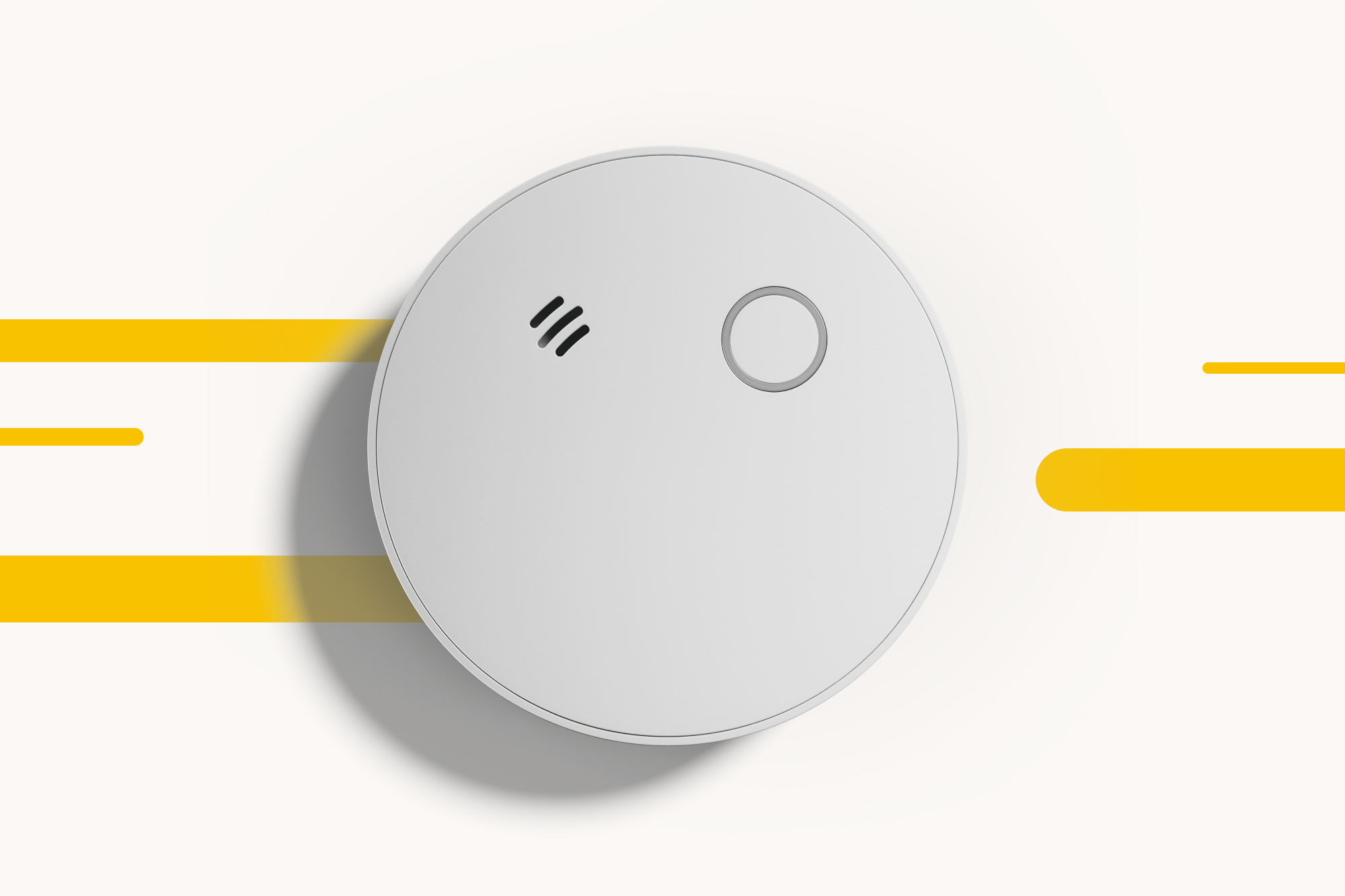
Integrations further enhance hotel software, opening the door to a wide range of additional capabilities. Leading software integrates with smart locks, automated guest messaging, revenue optimization tools, and even monitoring solutions like Minut. That means occupancy data, guest communications, and operational tasks all flow into one system, with a downstream effect of faster and more efficient hotel operations that benefit your business as well as the guest experience.
Key features to improve your hospitality experience
So far, we’ve looked at what the best hotel management software offers. Now let’s get specific and see some of the tangible benefits.
Real-time smarter pricing
Dynamic pricing tools within hotel management software tap into live market data to adjust rates automatically. So if there’s a surge in demand one weekend, your pricing can match. If there’s a quieter period, your rates can come down to capture bookings. This dynamic pricing helps to keep you competitive and booked, without leaving revenue on the table from static pricing.
Centralized dashboards
Instead of juggling texts, emails, and endless checklists, modern property management systems (PMS) offer centralized dashboards. This alignment keeps front desk, cleaning, and operations teams on the same page instantly, removing the delays from waiting for responses or checking multiple systems for information.
Predictive staffing and task allocation
Staffing is one of the most unpredictable and expensive parts of running a hotel. Without the right tools, managers often estimate needs based on past experience, which can lead to too many members of staff scheduled when demand is low or too few when demand spikes. Modern hotel management software analyzes booking trends and occupancy patterns in real time, forecasting when demand will rise or fall, then automatically suggests staffing levels that match.
Guest messaging that feels human but runs itself
Automated communication flows handle everything from pre-arrival messages to upsell opportunities and review requests. But instead of sounding robotic, these messages can be branded and personalized, providing the effective combination of your guests feeling cared for, while your team saves hours of repetitive work.
Real-time integration with noise and occupancy monitoring
Noise and occupancy monitoring tools, like Minut, plug directly into PMS platforms. When thresholds are crossed, staff receive real-time alerts — complete with context — so they can respond quickly and discreetly. It protects guest comfort and prevents complaints, all while respecting privacy.
Data-driven decision-making
Hotel management software generates insights that spreadsheets can’t. You can track time-to-clean per room, average response times, revenue leaks, guest behavior trends, and more.
Consistency across properties and teams
For hotels scaling across multiple properties, centralization is critical. Modern systems allow you to standardize policies, reporting, and quality control, in a way that traditional manual systems cannot. So whether you manage three properties or 300, you get a clear view of performance without losing operational control.
What to look for when evaluating hotel management software
When looking for hotel management software, the main consideration is how well it aligns with your operations. Although you can change to different software in the future, you’ll save time and money by getting it right the first time. So here are some of the most important things to keep in mind:
Integration. If you already have tools like smart locks, dynamic pricing software, or noise and occupancy monitoring systems, your new platform needs to connect smoothly with them. Otherwise, you’ll create silos instead of solving them.
Mobility. Hotel managers and staff are rarely at a desk. A mobile-friendly system allows housekeepers to update room status instantly, maintenance staff to log repairs on the go, and managers to keep an eye on performance no matter where they are.
User experience. This is a critical but often overlooked aspect of choosing the right hotel management software. A platform that’s clunky or unintuitive won’t be adopted quickly, nor will it be as effective as software that’s easy to use. Look for a clean interface that staff can learn in hours, not weeks. The faster your team feels confident, the faster you see ROI.
Reporting and analytics. You want a system that goes beyond the basics and provides insights into operational trends, guest behavior, and revenue leaks.
Support and scalability. Does the provider offer 24/7 customer support? Will the platform grow with you if you expand into new markets or add properties? Choosing software that’s future-proofed means you won’t need to switch systems just when momentum is building.
Staying competitive with hotel management software
By moving away from manual workflows and legacy systems, you can streamline your operations and benefit from modern features such as dynamic pricing and smoother staff communication from a central interface.
Hotel management software is no longer a nice-to-have, it's essential for staying competitive. It keeps hotels efficient and consistent, which in turn can help with profitability.
FAQs
What are the main advantages of hotel management software?
The advantages of hotel management software include smarter pricing, centralized operations, automated guest messaging, and better staff allocation. These benefits improve efficiency, reduce costs, and create better guest experiences.
How does hotel management software improve guest satisfaction?
By automating communication, streamlining operations, and preventing errors, hotel management software ensures guests enjoy a seamless experience without feeling neglected.
Is hotel management software only for large hotels?
No, modern systems are scalable and work just as well for boutique hotels, aparthotels, and short-term rentals. Even smaller properties will benefit from reduced errors, better communication, and increased profitability.
How does hotel management software integrate with other tools?
Most leading platforms integrate with smart locks, noise and occupancy monitoring tools, review automation, and revenue management systems. This creates a unified ecosystem that keeps your hotel operations running smoothly.
What should I look for when choosing hotel management software?
Prioritize systems that are mobile-friendly, easy for staff to adopt, and offer deep reporting. Strong integration capabilities and scalability are also key to long-term success.





.jpg)