It’s checkout morning. Your cleaner texts that the suite smells like stale smoke, there’s a scorch on the nightstand, and the next guest arrives in a few hours. Now you’re rushing to deodorize, repaint a wall panel, and juggle a re-clean.
If you’ve managed apartments, hotels, or short-term rentals for any length of time, you’ve lived some version of this. Unauthorized indoor smoking isn’t just a rules issue. It hits revenue, throws off schedules, and strains resident relationships. The fix starts with earlier awareness, to prevent the smell settling in and complaints from the next guest.
What a cigarette smoke detector does and why it matters
A cigarette smoke detector monitors the indoor environment for the chemical and particulate indicators of tobacco smoke and alerts managers to a smoking event using a real-time alert. This allows management teams to respond to a situation in a time-sensitive manner and limit smoke odor and residue, as well as create a time-stamped record of the incident to aid management fees, claims, and/or policy action.
Why unauthorized smoking becomes so expensive
When a guest lights up in a non‑smoking unit, the cost isn’t confined to an extra hour of housekeeping. The impact spreads across property condition, staff workload, guest and resident satisfaction, and revenue. And because cigarette smoke doesn’t usually trigger traditional fire alarms, operators commonly find out after checkout or when neighbors complain — in other words, when damage is already done.
Smoke residue requires extensive cleaning
Cigarette smoke permeates soft furnishings and drywall, so odor removal isn’t a quick spray and go. You’re scheduling ozone or hydroxyl treatment, laundering or replacing drapes, deep-cleaning upholstery, swapping air filters, and sometimes washing or sealing walls. Smoke can even get pulled into the HVAC systems, so technicians may need to clean coils and returns to stop recirculation. Those labor hours stack up fast, especially when they land during a tight turnover window.
Room downtime leads to lost revenue
Downtime is the real budget killer. Delayed check-ins mean refunds or discounts. Units taken offline for deodorization drop occupancy and break staffing plans because housekeeping must return out of sequence. In multifamily housing, make‑ready standards can push a unit into another day’s schedule. In hotels, an out‑of‑order night on a sold‑out weekend is lost ADR you can’t recover.
Smoking complaints can damage resident and guest satisfaction
Neighbors smell smoke through vents and around doors. Complaints aren’t far behind. In short-term rentals, a single review about “smelled like smoke” can impact conversions long after that review was published. Residents in multifamily buildings who repeatedly log smoking complaints are less likely to renew.
Why traditional smoke alarms don’t solve unauthorized smoking
Standard smoke alarms and fire detection systems are designed to protect lives in an emergency. They’re calibrated to detect dangerous smoke concentrations to alert occupants that they need to evacuate the building, not to spot a no-smoking policy breach. That’s why most smoking incidents never activate a corridor pull station or in‑room alarm.
Traditional smoke alarm
Cigarette smoke detector
Designed for fire emergencies
Designed to detect smoking events
Activates at dangerous smoke levels
Identifies unauthorized smoking earlier
Supports life safety and evacuation
Supports policy enforcement and operations
Reactive
Proactive
Earlier awareness creates better outcomes
When you know in real time, your team can act: message the guest, remind them of policy and fees, or inspect the property while the smoke is still present. That cuts cleaning scope, keeps the unit rentable, and gives you evidence if you need to charge.
How cigarette smoke detectors work
Think of a cigarette smoke detector for a rental property as an environmental monitor tuned for smoke-from-smoking signals. It samples the air, looking for patterns consistent with tobacco smoke and differentiating them from cooking or steam. When a threshold is met, it alerts the right people — the host, front desk, on‑call manager, or centralized ops — so someone can intervene.
Importantly, privacy‑first systems monitor the environment, not the guest.
Detect smoking events in real time
A good smoking detector identifies the start of a smoking event quickly. That window is when a courteous reminder or door knock can end the behavior without conflict.
Notify property teams before problems escalate
Real‑time push notifications, email, or dashboard alerts help managers coordinate. In hotels and aparthotels, that’s the front desk and security. In short‑term rentals, it might be an after‑hours agent sending a friendly SMS. Either way, speed matters.
Support privacy without cameras
Privacy-safe cigarette smoke detectors don’t use cameras, record conversations or capture images. They measure indoor conditions, such as particulate and chemical signatures, to confirm a smoking event.
The operational benefits of early detection
Earlier awareness doesn’t just stop the smoke. It redistributes work from high-friction remediation to quick interventions that keep units rentable and teams on schedule.
Reduce cleaning and restoration costs
If you interrupt smoking early, odor doesn’t have time to settle into fabrics and paint. That can mean you avoid the need for an ozone cycle and replacing soft furnishings. Over a season, those saved hours and materials make a significant impact on the bottom line.
Minimize room downtime
A 15‑minute intervention beats a 24‑hour outage. Fast action keeps your inventory available during peak demand, stabilizes housekeeping rosters, and avoids the service disruption of having to relocate rooms or units.
Improve policy enforcement
Cigarette smoke detectors create a timestamped incident record. That evidence is often the difference between a disputed fee and a paid one. Consistent documentation also supports clear, fair enforcement across your portfolio.
Protect long‑term property value
Repeated smoking can stain walls, cause stubborn odors and leave HVAC residue that ages your property prematurely. By stopping guests from lighting up, you can avoid these issues and improve the living experience for nonsmoking residents and guests.
What property managers should look for in a cigarette smoke detector
Accurate detection
You don’t want to get bombarded with false positives and alarms. Look for devices that differentiate between cigarette smoke and water vapour from cooking or steam-generating activities.
Privacy‑first monitoring
Guest and resident trust matters. A suitable system monitors the environment only, without using cameras or microphones.
Easy installation and portfolio scalability
Whether you run a handful of short‑term rentals or hundreds of apartments and hotel keys, you need a device that you can easily install, has long battery life, and can be added quickly and seamlessly with minimal disruption.
Centralized alerts and reporting
Central dashboards and clear logs are essential for streamlined response and documentation. They let managers see patterns, spot repeat issues, and standardize follow‑up across teams and shifts. This is especially valuable where insurers or brands expect documented enforcement.
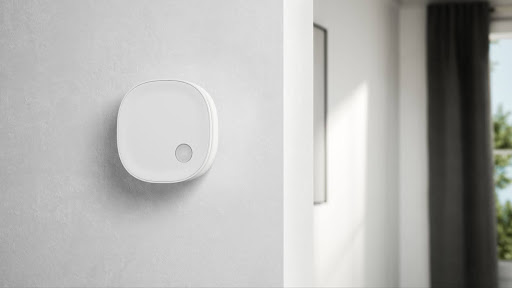
Minut monitors the indoor environment for cigarette smoke, noise, and other risk signals without recording audio or video. It was built for the realities of short‑term rentals, multifamily, hotels, and aparthotels, offering fast installs with real-time alerts.
Detect unauthorized smoking early
Minut’s cigarette smoke detection identifies smoking events in real time and alerts your team so you can intervene before odor and residue spread. The system also keeps a timestamped history of events, which is handy when you need to show proof for fees or dispute resolution.
Protect properties without invading privacy
Minut monitors the environment, not people. The sensor measures indoor conditions and flags patterns consistent with cigarette smoke — exactly the privacy‑first approach guests and residents expect.
Improve operations across every property
Whether you manage an apartment portfolio, a hotel floor, or a scattered set of vacation rentals, Minut centralizes alerts and makes it simple to act.
Reduce costs while supporting smoke‑free policies
Fewer deep cleans, less downtime, and better documentation add up. Teams that adopt early detection spend less time on remediation and more time turning units and serving guests.
Best practices for preventing smoking incidents
A good cigarette smoke detector for a rental property is your early‑warning system. Pair it with clear, consistent operations so incidents are rare and easy to resolve.
Clearly communicate no‑smoking policies. Post them in listings, pre‑arrival messages, house manuals, and on‑property signage. Be explicit about fees for violations and where outdoor smoking is permitted, if at all.
Include smoking rules in leases or guest information. Spell out definitions (cigarettes, vapes, other substances), fees, and steps you’ll take if smoke is detected.
Train staff on response procedures. Decide who gets alerts, how they respond at 2 p.m. and 2 a.m., and how incidents are documented.
Document every incident. Save timestamped alerts, photos of residue if present, and all guest communications.
Respond quickly to alerts. A friendly message within minutes resolves most cases and prevents escalation.
Review recurring trends. Look for patterns by unit, floor, or time of day. Move sensors, adjust messaging, or modify policies where issues cluster.
Educate residents and guests. Explain why smoke‑free matters for health, odor, and neighbors.
Use proactive cigarette smoke detection. Relying on complaints or checkout inspections means you learn about smoking too late.
Conclusion
Unauthorized indoor smoking is an operational problem with operational costs: deep cleans that leave booked rooms out of service, and inconvenience both staff and guests.
Traditional smoke alarms won’t help here because they’re built to aid evacuations during a fire, not to detect somebody lighting a cigarette. A cigarette smoke detector gives you that earlier awareness, along with a quick path to intervention.
By adopting privacy‑first monitoring that focuses on the environment, you’ll cut cleaning costs, keep rooms available, enforce policies consistently, and improve the guest experience.
Cigarette smoke detectors FAQs
What is a cigarette smoke detector?
A cigarette smoke detector is an indoor environmental monitor that detects cigarette smoke and sends a real‑time alert so property teams can intervene quickly.
Can a cigarette smoke detector detect indoor smoking?
Yes, that is its primary function. Unlike standard fire alarms, a smoking detector is calibrated to catch lower‑level, localized cigarette plumes.
What’s the difference between a cigarette smoke detector and a smoke alarm?
Smoke alarms are life‑safety devices that trigger at fire‑danger thresholds. A cigarette smoke detector is an operations tool that flags smoking events early for policy enforcement and documentation.
Can cigarette smoke detectors help enforce no‑smoking policies?
Yes. Timestamped alerts and incident logs back up reminders and fees and reduce disputes by creating a clear record.
Can hotels use cigarette smoke detectors?
Absolutely. Hotels benefit from faster in‑stay interventions that avoid out‑of‑order nights and protect brand standards.
Are cigarette smoke detectors privacy‑friendly?
They should be. Choose systems that monitor the environment only — no cameras or audio recording — and disclose their presence in guest information where required.
What features should property managers look for in a cigarette smoke detector?
Accurate detection with low false alerts, privacy‑first design, easy installation, long battery life, centralized alerts, and clear reporting. Connected systems with app alerts and dashboards scale well across portfolios.